Sabarimala Sri Dharmasastha Temple stands deep inside Western Ghats of Kerala. Millions of devotees undertake arduous forty-one day vratham every year. Main source text detailing advent and life of Sri Dharmasastha is Sri Bhootanatha Upakhyanam. This classical Samskrutam text forms core part of Brahmanda Purana.
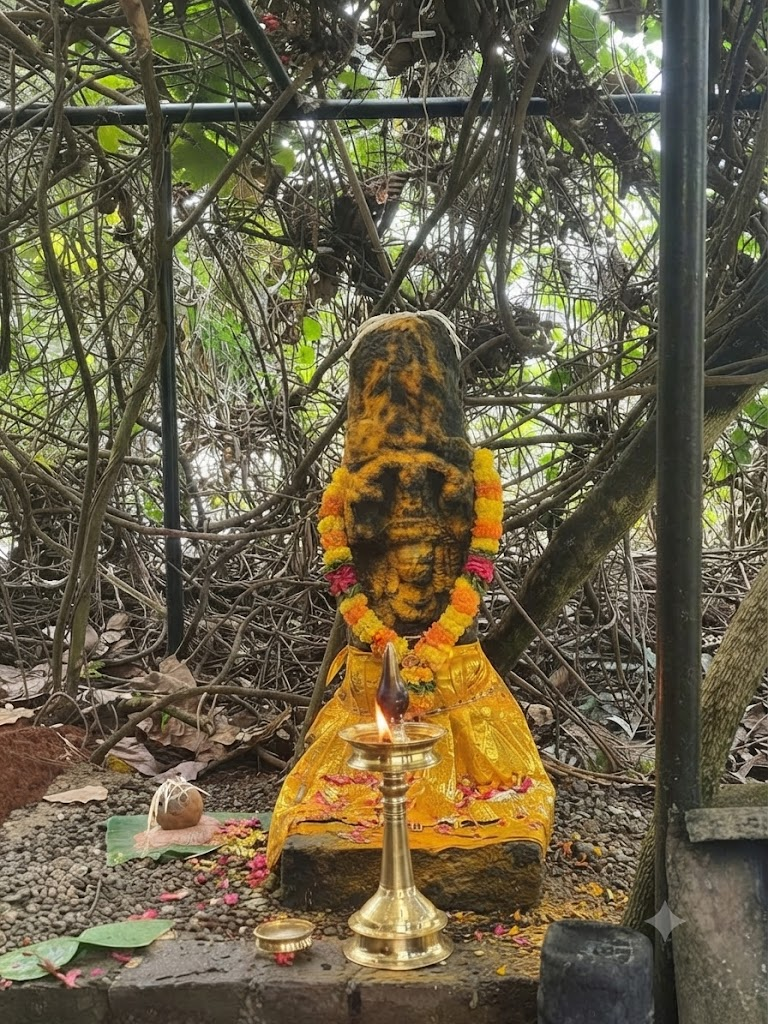
Sri Bhootanatha Upakhyanam describes divine incarnation of Manikandan as Hariharaputra. Hariharaputra took form specifically to vanquish demoness Mahishi and restore cosmic order. This text maps out divine mission, childhood leelas, and establishment of eternal dharma. Classical Sanskrit verses outline celestial beings and tribal leaders aiding Sri Manikandan. Forest chieftains of Western Ghats play vital role in protecting sages. Careful study of Sri Bhootanatha Upakhyanam reveals complete absence of foreign or Sufi warriors. Popularized narrative regarding Vavar finds zero mention in original Puranic scriptures.
Vapuran Hypothesis
Absence of Vavar in primary Sanskrit scriptures leads scholars and traditionalists toward deeper historical analysis. Critical studies suggest modern narrative emerged much later through socio-cultural evolution. Original entity worshipped in local folk traditions was Sri Vapuran or Vapura. Sri Vapuran was native pre-Islamic guardian spirit and local chieftain embedded in ancient Kerala folklore.
Detailed descriptions inside ancient texts categorize Sri Vapuran as a Shiva Bhuta. Shiva Bhutas represent divine guardian spirits and celestial attendants belonging to Bhagavan Shiva. These beings possess supernatural attributes and serve specific cosmic functions under higher deities. Sri Vapuran functions as a parivara devata, meaning primary companion deity attached to Sri Dharma Sastha. His presence in divine entourage highlights role in maintaining cosmic order, protecting sacred spaces, and assisting Sri Dharma Sastha during divine missions against demonic forces like Mahishi.
Architectural and Ritual Positioning in Ancient Temples
Traditional temple science and agama shastras dictate precise layouts for principal deities and their attendant forces. Parivara devatas occupy designated directional quarters surrounding main sanctums to guard sacred domains. In traditional shrines associated with Sri Dharma Sastha, Sri Vapuran holds fixed ritual position as guardian presence. Devotees and temple priests acknowledge this traditional placement during ritual worship.
This architectural and ritual framework reinforces his identity as eternal spiritual guardian rather than temporal mortal entity. Traditional temple architecture ensures that every attendant deity receives proper veneration according to scriptural injunctions. Devotees engaging in pilgrimage must understand these spatial rules to grasp true sanctity of ancient shrines spread across forest terrain.
Evolution of Modern Socio-Political Narrative
Over recent centuries, regional folklore underwent significant transformations driven by popular culture, local ballads, and socio-political integration. During mid twentieth century, regional integration and post independence socio political movements reshaped local memories. Native folk figure Sri Vapuran underwent systematic rebranding into Vavar. You may want to read an earlier article of mine, on how Vavar got inserted into the legend.
Linguistic roots of Vapura align closely with indigenous Dravidian and Sanskrit nomenclature rather than Arabic origins. Regional theatrical traditions and evolving community narratives gradually recast celestial guardian into medieval Sufi saint, maritime warrior, or mortal human friend. Subsequent generations integrated these localized maritime and cultural tales into popular pilgrimage customs, establishing distinct architectural structures along traditional routes.
Skeptics point out that formal integration of Vavar into core pilgrimage timeline happened mostly through modern oral tradition, popular media, and state tourism promotion. Official narratives often emphasize syncretism, but historians look closely at original epigraphical records to separate ancient customs from later additions.
Controversies and Claims of Ancient Sacred Spaces
Revisionist researchers and traditionalist factions raise serious contentions regarding structural landmarks along pilgrimage route. Prominent dispute centers around Erumely Vavar Palli. Critics argue that many such structural landmarks were superimposed over ancient sacred spots. Original shrines were dedicated to local guardian deities before being overlaid with Islamic structures and narratives.
Such tensions occasionally result in real world administrative and legal friction. Kerala High Court interventions crop up around local disputes concerning construction of separate Vapura Swamy temple structures in Erumely. Traditional groups push continuously to reclaim indigenous Vapura worship from Islamicized Vavar mosque narrative. Lack of early epigraphical or textual evidence further fuels ongoing cultural debates across Kerala.
Scholars debate whether modern accommodations of diverse cultural elements genuinely reflect ancient traditions or represent administrative compromises born during colonial and post colonial eras. Local communities continue voicing strong opinions regarding preservation of original sacred geography of Western Ghats.
Puthan Veedu Heritage
Understanding layout of Erumely route without relying on popularized Vavar narrative requires examining physical architecture of local ancestral homes. Puthan Veedu meaning new house in Malayalam stands as historic ancestral homestead in Erumely. Puthan Veedu connects directly to ancient martial traditions of region.
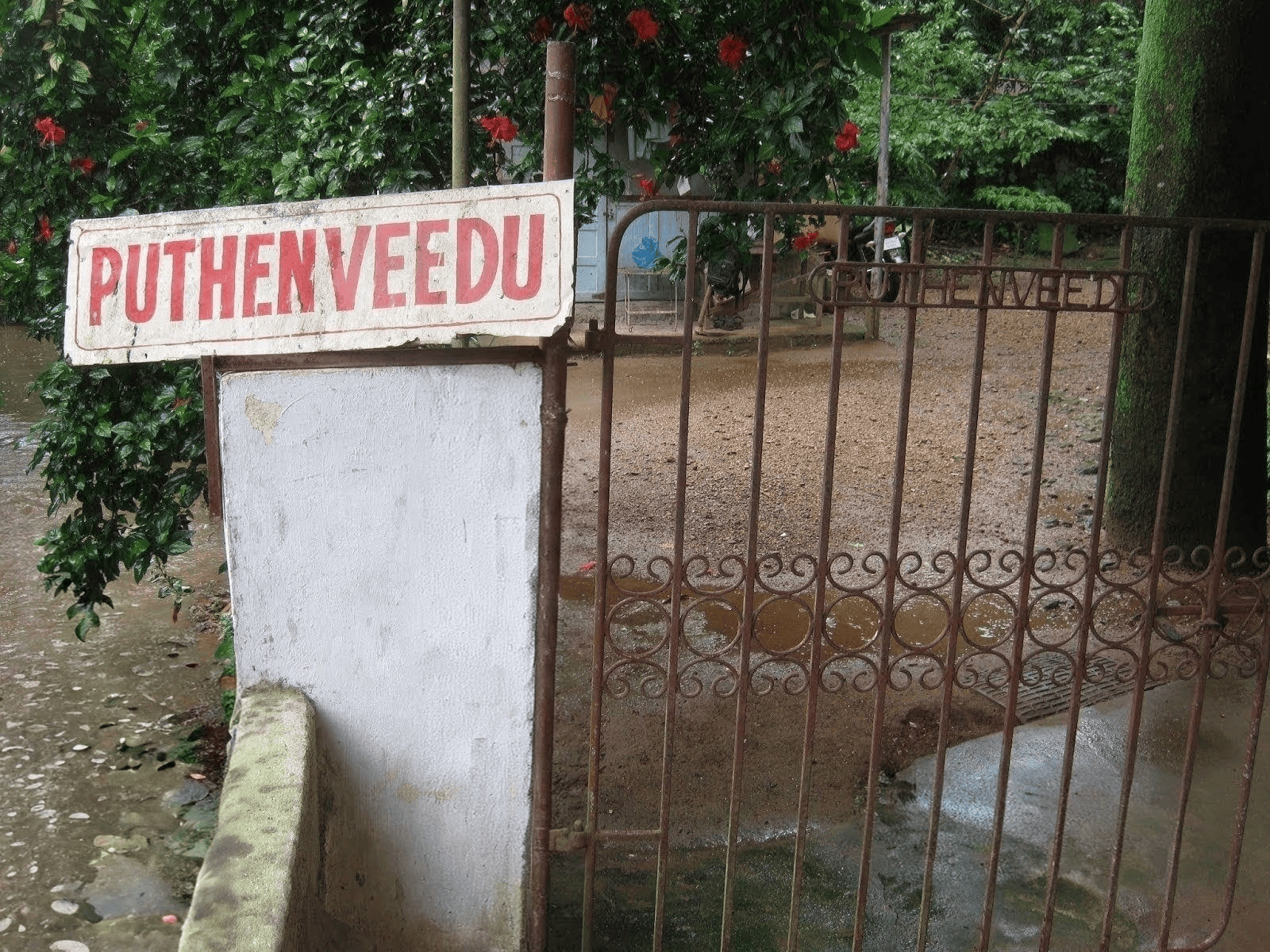
Instead of housing artifacts of foreign warrior, Puthan Veedu preserves heritage of indigenous martial families and regional protectors. Local chieftains managed forest pathways long before modern tourism took shape. During vibrant Petta Thullal processional ritual, processional movement reflects multi caste mobilization of hill tribes and traditional custodians. Families like Puthan Veedu maintain operational memory of route as rigid indigenous protocol.
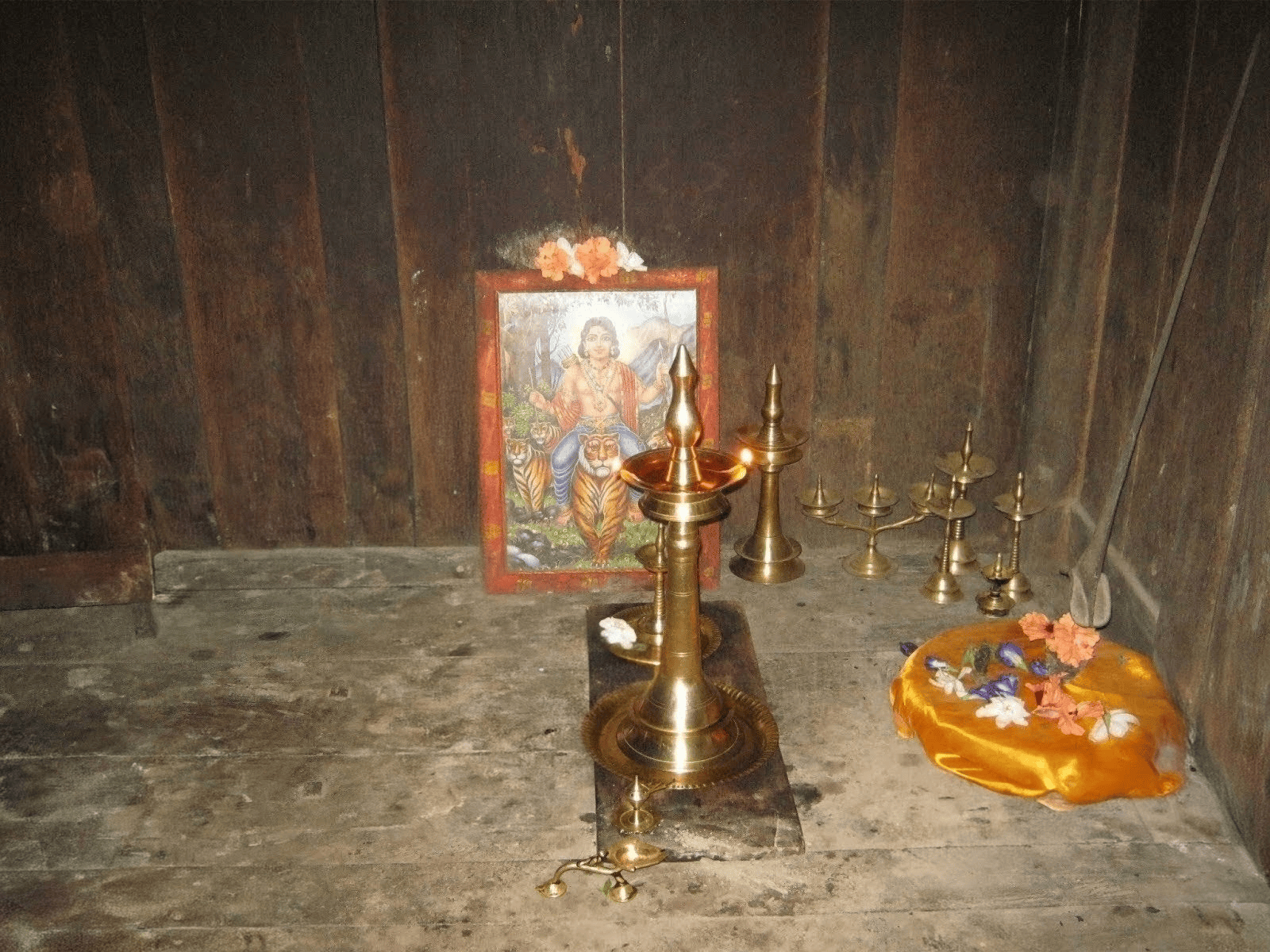
Protocols were required to safely navigate wild domain of Sri Dharmasastha without modern political overlays. According to local tradition and oral histories surrounding Sabarimala yatra, Puthan Veedu is historically associated with safekeeping of ancestral weapons or artifacts tied to campaign against outlaws or Mahishi. Certain traditions link elements of martial heritage of region and swords used during legendary era to this lineage.
During vibrant Petta Thullal processional ritual, procession traditionally acknowledges or incorporates historical landmarks associated with local alliances, where Puthan Veedu stands as prominent cultural waypoint tied to local families preserving these traditions. Just as Vettiplackal family holds traditional caretakership roles linked to regional legacy, other historic ancestral Tharavads like Puthan Veedu in and around Erumely form social fabric maintaining operational memory of how pilgrimage route came to be structured.
Inclusion of historic local homesteads cuts across modern debate. Syncretic view holds that Puthan Veedu alongside Erumely Vavar Palli represents multi caste and multi community cooperation inherent in Sabarimala pilgrimage, proving lore is rooted in soil of Erumely and sustained generation after generation by local families rather than abstract state engineering.
Critical or revisionist view has skeptics and regional researchers looking at these ancestral homes and local families to trace how oral histories evolved. Researchers analyze how regional chieftains, local martial houses linked to ancient Nair or local administrative lineages, and Islamic maritime traders interacted, arguing that modern narratives synthesized these disparate local chieftains into unified binary narrative.
Re-Establishing Traditional Scriptural Baseline
Writers and researchers mapping out Sabarimala through primary sources face distinct choice of perspective. Treating Vavar narrative as later socio political overlay rather than ancient scriptural mandate offers rigorous framework. Shifting focus back to indigenous folk spirits like Sri Vapuran and ancient Puranic templates grounds study in historical reality.
Honoring traditional Sanskrit texts like Sri Bhootanatha Upakhyanam removes modern secular tropes. Re anchoring research in ancient soil of Western Ghats brings authenticity to legend of Swami Ayyappan. Pilgrimage remains profound spiritual journey rooted firmly in eternal Sanatana traditions. Modern seekers benefit immensely by looking past popular political constructions to embrace pure scriptural heritage preserved by ancient sages of Bharata.
🙏Swami Sharanam 🙏


