Most people view Sabarimala pilgrimage as gruelling physical trek, logistical puzzle of shifting dates, virtual queues, and dense forest pathways. External chaos is just mirror. Every single physical ritual in Yatra is exact outer manifestation of internal, psycho-spiritual alignment. Journey does not take you to geographical place, it dissolves person you were when you started. Who protects this delicate technology? In era that tries to reduce ancient traditions to mere legal or historical artifacts, people forget that Sabarimala is governed by cosmic laws, not human consensus. It is not passive museum of folklore, it is active refinery.
Maladharana: Ego Shedding Uniformity
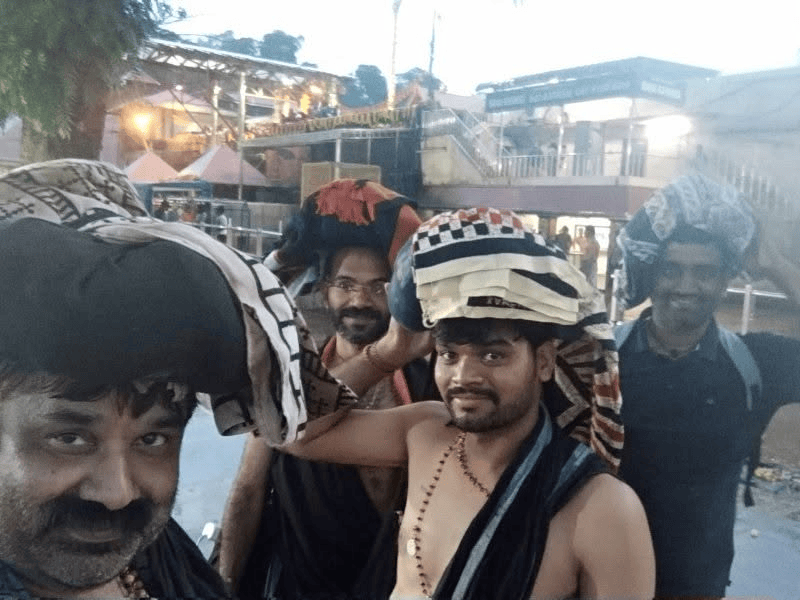
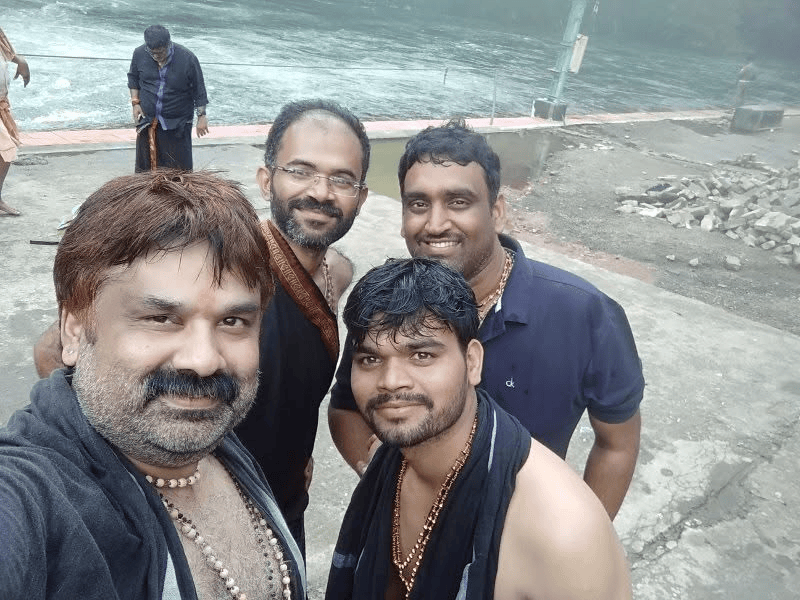
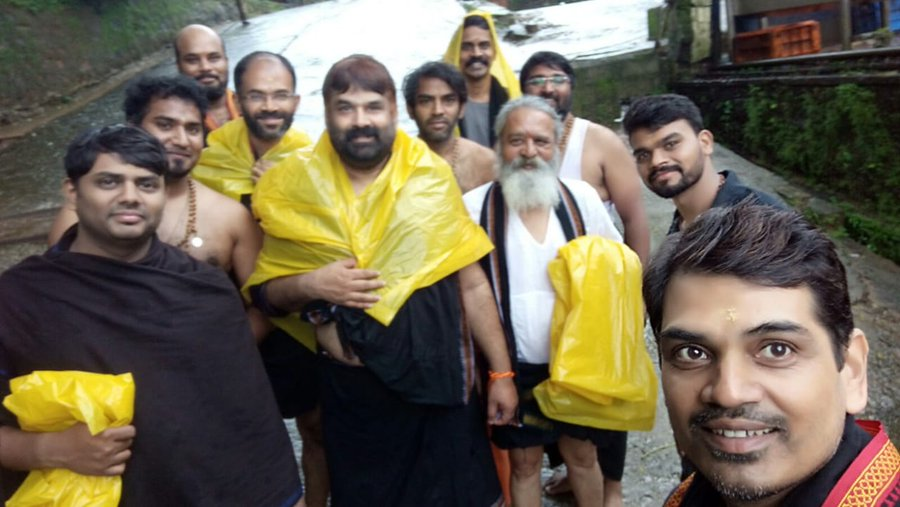
Donning of beaded mala is official entry into state of Vrata, which means austere discipline. It acts as unwritten spiritual contract. Mala itself is not mere ornament, it is sacred boundary. Usually made of Tulsi or Rudraksha beads, mala acts as physical anchor keeping mind constantly fixed on divine thoughts. It serves as constant reminder of vow taken. Moment mala touches chest, individual identity like caste, socioeconomic status, and job title is instantly deleted.
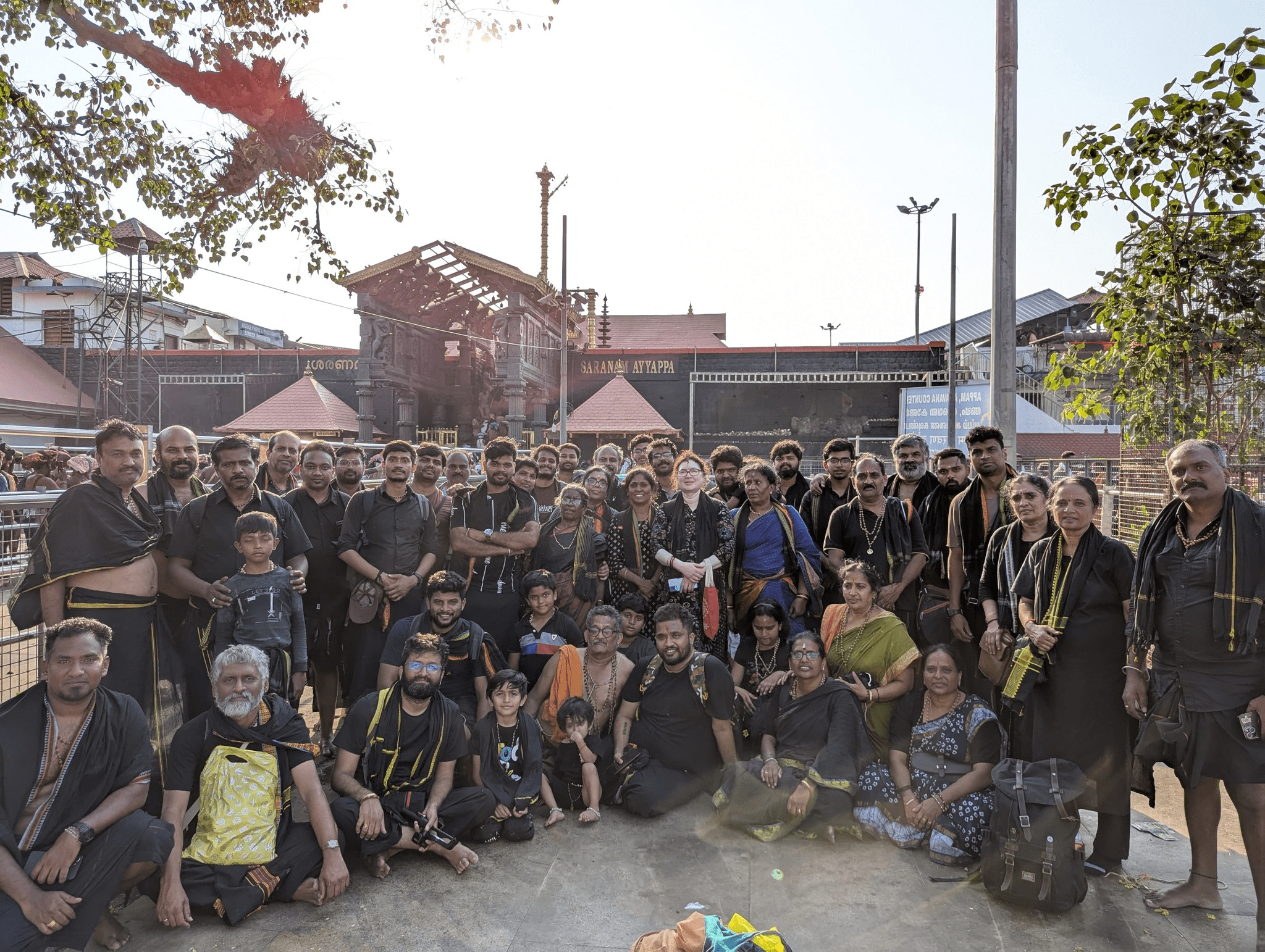
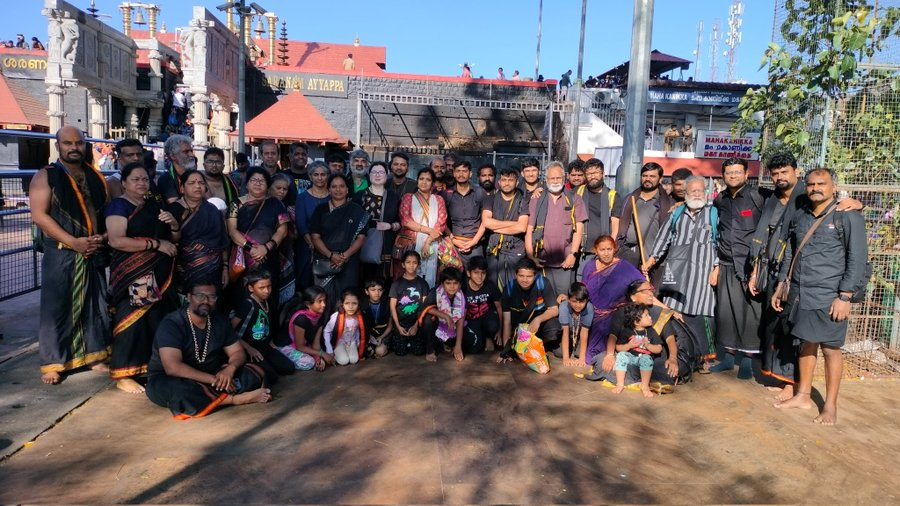
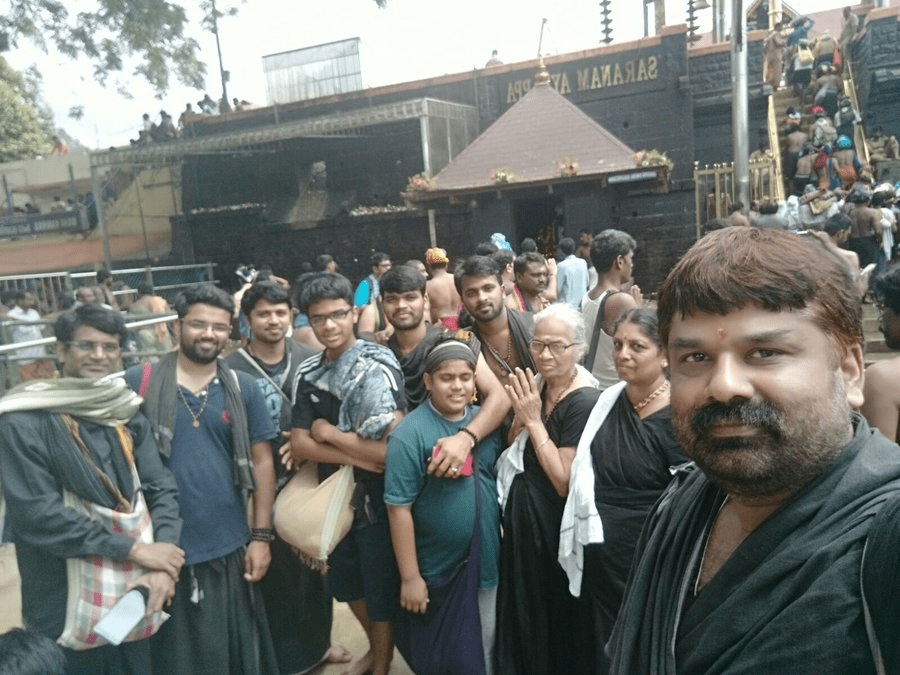
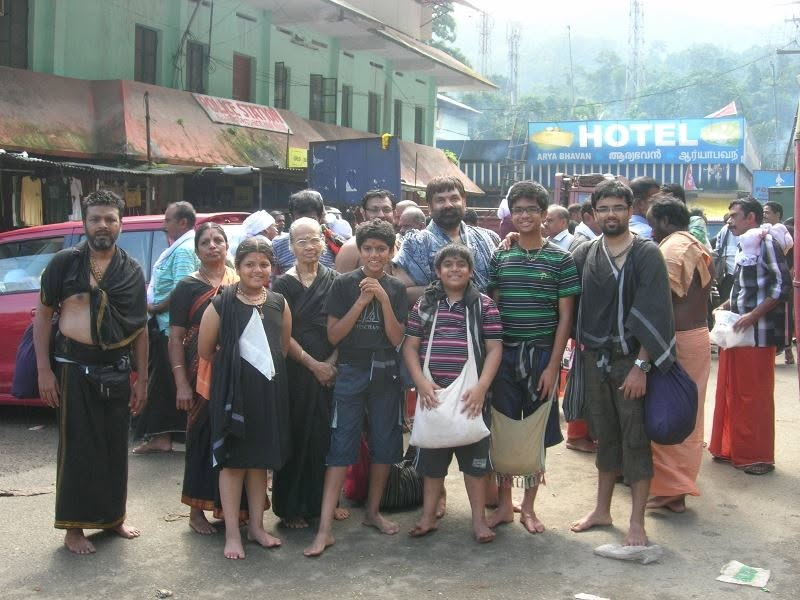
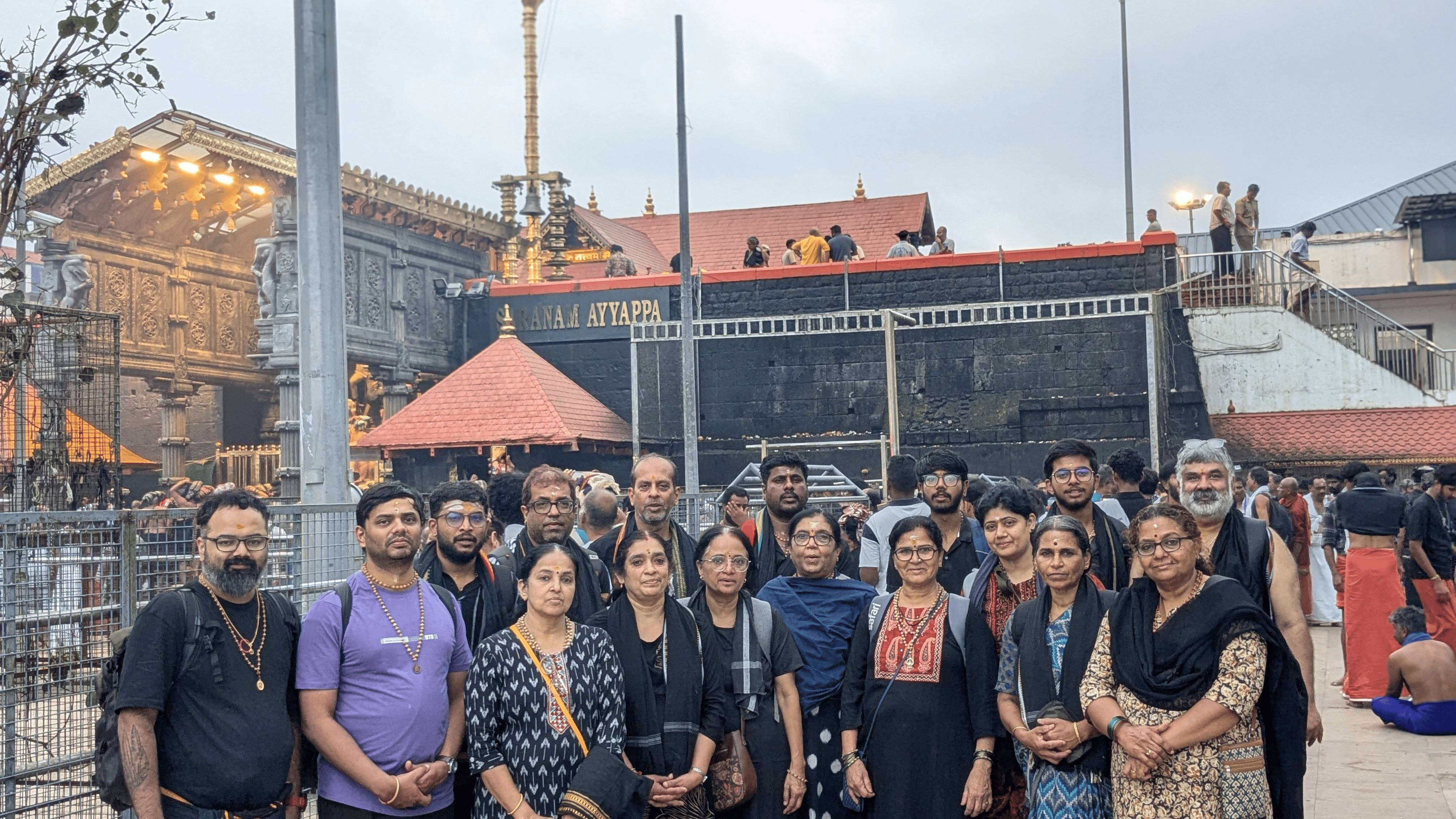
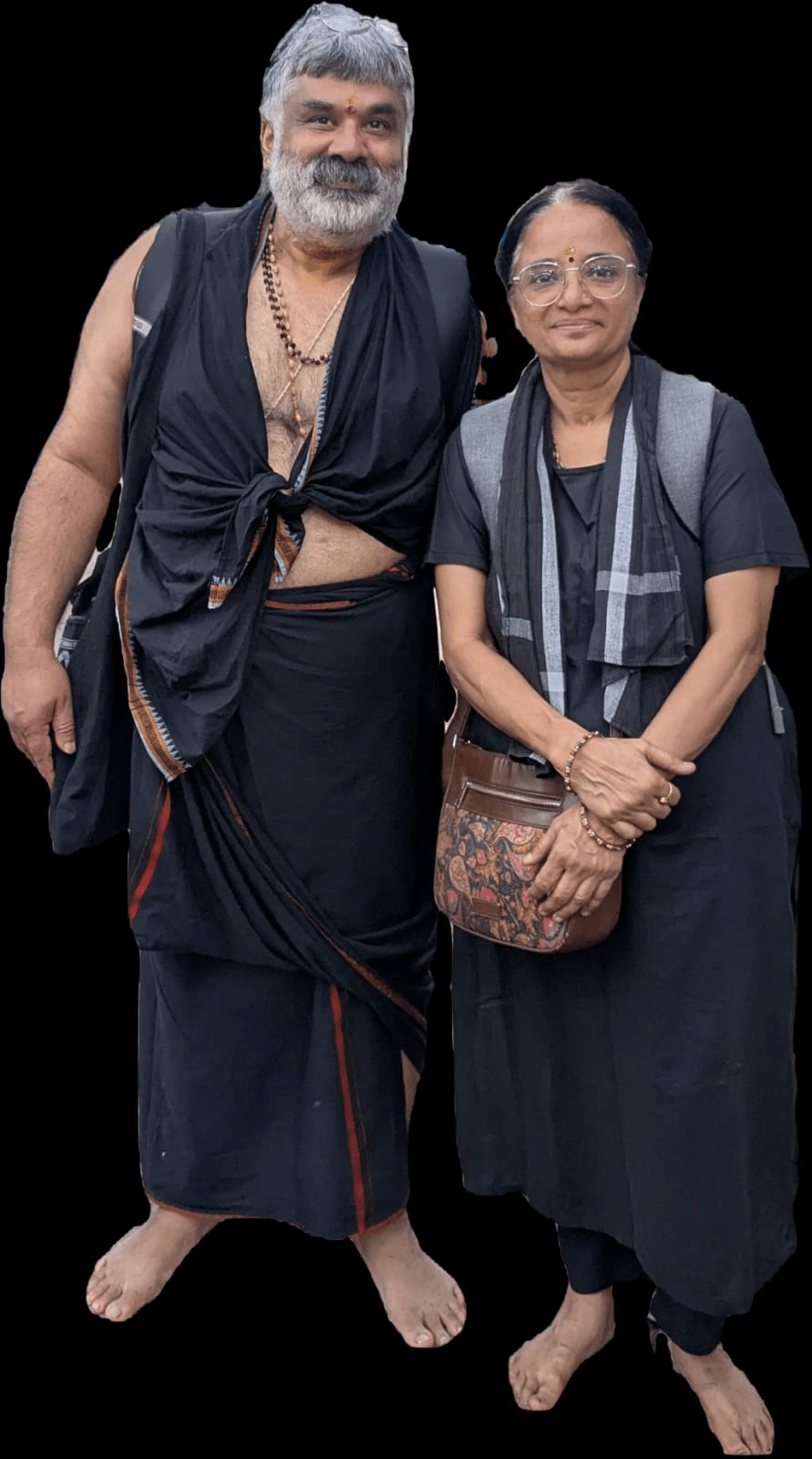
Pilgrims wear black, blue, or saffron clothing. Wearing black holds profound significance. Black represents total withdrawal from worldly attractions, absolute humility, and death of ego. It absorbs all light and reflects nothing, symbolizing how pilgrim must absorb divine energy while reflecting no personal pride. Individual ceases to be secular self and becomes Swami.
Central to this state is strict observance of Brahmacharya, meaning complete celibacy in thought, word, and deed for forty-one days. Observing Brahmacharya is not just physical restraint. It is conservation and redirection of vital life energy. By conserving physical energy, mind becomes exceptionally sharp and body gains strength required for arduous mountain trek. It purifies nervous system, transforming base human impulses into high spiritual power.
When everyone follows these rules, wear same black clothes, and observe Brahmacharya, Sangha, which means community, is born. It is practical implementation of Advaita or non-duality, meaning seeing divine in yourself and in every fellow traveller you meet.
Kettunira: Blueprint of Self
Preparation of Irumudi Kettu, the twin compartment bag, is profound material symbol of pilgrimage. It is literally map of human existence packed into canvas bundle. Front compartment, called Munmudi, houses Mudra Tengai, which is sacred coconut filled with pure ghee. Coconut represents physical body, and its three eyes map sensory dependencies. Draining water represents emptying worldly desires, while pure ghee represents Atman, meaning soul, untainted and ready for union. Rear compartment, called Pinmudi, houses mundane sustenance and personal items. As you walk, Munmudi rests on head, which is seat of spiritual aspiration, while Pinmudi, representing past, karma, and worldly attachments, hangs behind you. Structural balance of bag teaches you how to carry mortal life while prioritizing immortal soul.
Erumeli Petta Thullal Embracing Sacred Madness
Sacred dances of Ambalapuzha and Alangadu Yogams highlight Petta Thullal as far more than ecstatic spectacle. It is calculated psychological purge. Smearing faces with multicolored powders and dancing frantically to primal rhythms represents conscious destruction of sophisticated, manicured ego. To find God, one must first be willing to look foolish to world. It celebrates slaying of Mahishi, who is personification of cosmic ego and ignorance. By losing yourself in collective dance, you shatter walls of intellectual pride. It is mandatory chaos before entering silent discipline of deep forest.
Traditional Forest Path: Spatial Sadhana
Whether traversing traditional trekking pathways or navigating dense wilderness, forest itself is living ritual, space for finding freedom in forest. Steep climbs of Appachi Medu and Sabari Peedam are physical manifestations of life’s spiritual blockages. Dropping rice balls (Unda vazhipadu), called kali-gulikas, at Appachi Medu is symbolic gesture of throwing away inner negative tendencies and fears into abyss. Nature here acts as ultimate guru. Physical exhaustion of trek breaks down body’s arrogance. When muscles scream and breath shortens, mind stops overthinking and starts chanting Swami Saranam out of sheer survival. Forest strips you down to bare essence.
Devaprashnam and Prashnamarga: Cosmic Safeguard
This entire ritualistic machinery is not customizable playground or aesthetic folklore display. It is precise spiritual technology operating under rigid metaphysical laws. When these laws are disrupted by human arrogance, institutional overreach, or secular interference, shrine activates its own diagnostic tool called Prashnamarga. Devaprashnam, which means astrological divination to ascertain intent and state of deity, is not human superstition. It is formal, mathematical inquiry into unseen energetic field of temple. It operates on immutable laws of Patrata, meaning rightful alignment, capacity, and purity of disciple and custodian.
People do not have to look far into history to see what happens when this immune system is ignored. Before catastrophic 2018 Kerala floods tore through Pamba river basin and decimated pilgrimage infrastructure, formal Devaprashnam had explicitly revealed deep displeasure of Bhagwan Ayyappa. Signs pointed clearly to ritualistic dilutions, commercial exploitation of sacred grove, and blatant disregard for deity’s Naishtika Brahmachari, meaning absolute celibate, status. Warnings were dismissed by secular administrators as archaic noise.
What followed was not mere ecological accident. When humans tried to forcefully convert highly restricted, potent spiritual powerhouse into liberal tourist hub through judicial and political mandates, Nature itself intervened. Pamba river reclaimed territory, washing away commercial encroachments and physically shutting down access to shrine. It was stark reminder that if human custodians fail to protect Patrata of temple, cosmic energy of mountain will reset boundaries itself.
Ritual authority vested in Thantri and Pandala Raja is not a feudal privilege, it is karmic shield. They are designated operators of this spiritual machine. Prashnamarga serves as ultimate cosmic audit, ensuring that Sannidhanam remains fiercely protected, concentrated vortex of energy, entirely separate from mundane human consensus.
Pathinettam Padi: Eighteen Sacred Steps
Climax of physical journey is ascent of gold-plated steps. This is final energetic gateway where only pure can step. Each step is specific hurdle. First five represent Indriyas, meaning sensory organs. Next eight represent Ragas, meaning passions like anger, greed, lust, and pride. Next three represent Gunas, which are cosmic qualities called Sattva, Rajas, and Tamas. Final two represent Vidya, meaning knowledge, and Avidya, meaning ignorance. You cannot just stroll into presence of divine. You must trample over sensory dependencies and ignorance, step by step. Breaking coconut on stone before ascending is final shattering of residual ego.
Ghee Abhishekam:Ultimate Fusion of Conscious Energies
At Sannidhanam, Mudra Thenga (Coconut) is cracked open. Ghee is poured over deity of Bhagwan Ayyappa, and empty coconut shell is thrown into massive, burning Aazhi, which is sacred fire. This is absolute zenith of technology. Ghee, representing soul preserved through forty-one days of pure living under vows of Brahmacharya, merges with cosmic consciousness of deity during Abhishekam. Shell, which is physical vessel or temporary identity, is cast into fire to be turned into ash. Grand finale is reading mahavakya inscribed on temple storefront, Tat Tvam Asi, meaning Thou Art That. Ritual structure forces you to realize that deity you climbed miles to see is very consciousness residing within you.
Finally
Sabarimala is not place of passive spectatorship, it is active refinery protected by cosmic sentinel systems. Pilgrims do not go to look at deity, they go to drop baggage into flames of Aazhi, pour purified intent over divine form, and walk down those 18 steps recognizing Swami within themselves.
Rituals are language, transformation is truth.
If people break language, they lose truth.
The Kannada Version of the same Article
(Wrote this First & Translated to English)
ಜನಸಾಮಾನ್ಯರು ಶಬರಿಮಲೆ ಯಾತ್ರೆಯನ್ನು ಅತ್ಯಂತ ಕಠಿಣ ನಡಿಗೆ, ಬದಲಾಗುವ ದಿನಾಂಕಗಳ ವ್ಯವಸ್ಥಾಪನಾ ಗೊಂದಲ, ವರ್ಚುವಲ್ ಕ್ಯೂ ಮತ್ತು ದಟ್ಟ ಅರಣ್ಯ ಮಾರ್ಗಗಳಾಗಿ ನೋಡುತ್ತಾರೆ. ಬಾಹ್ಯ ಗೊಂದಲವು ಕೇವಲ ನಮಗೆ ಕನ್ನಡಿಯಾಗಿದೆ. ಯಾತ್ರೆಯ ಪ್ರತಿಯೊಂದು ದೈಹಿಕ ಆಚರಣೆಯು ಆಂತರಿಕ, ಮನೋ-ಆಧ್ಯಾತ್ಮಿಕ ಜೋಡಣೆಯ ನಿಖರವಾದ ಬಾಹ್ಯ ಅಭಿವ್ಯಕ್ತಿಯಾಗಿದೆ. ಪ್ರಯಾಣವು ನಿಮ್ಮನ್ನು ಯಾವುದೇ ಭೌಗೋಳಿಕ ಸ್ಥಳಕ್ಕೆ ಕರೆದೊಯ್ಯುವುದಿಲ್ಲ, ಅದು ನೀವು ಪ್ರಾರಂಭಿಸಿದಾಗ ಇದ್ದ ವ್ಯಕ್ತಿತ್ವವನ್ನು ಕರಗಿಸುತ್ತದೆ. ಈ ಸೂಕ್ಷ್ಮ ತಂತ್ರಜ್ಞಾನವನ್ನು ಯಾರು ಮತ್ತು ಹೇಗೆ ರಕ್ಷಿಸುತ್ತಿದ್ದಾರೆ? ಪ್ರಾಚೀನ ಸಂಪ್ರದಾಯಗಳನ್ನು ಕೇವಲ ಕಾನೂನು ಅಥವಾ ಐತಿಹಾಸಿಕ ಕಲಾಕೃತಿಗಳಾಗಿ ಮಾಡಲು ಪ್ರಯತ್ನಿಸುವ ಯುಗದಲ್ಲಿ, ಶಬರಿಮಲೆಯು ಬ್ರಹ್ಮಾಂಡದ ನಿಯಮಗಳಿಂದ ಆಳಲ್ಪಡುತ್ತದೆ, ಮಾನವ ಒಮ್ಮತದಿಂದಲ್ಲ ಎಂಬುದನ್ನು ಜನರು ಮರೆಯುತ್ತಾರೆ. ಇದು ಜಾನಪದದ ನಿಷ್ಕ್ರಿಯ ವಸ್ತುಸಂಗ್ರಹಾಲಯವಲ್ಲ. ಒಂದು ಸಕ್ರಿಯ ಸಂಸ್ಕರಣಾಗಾರವಾಗಿದೆ.
ಮಾಲಾಧಾರಣೆ: ಅಹಂಕಾರವನ್ನು ತೊರೆಯುವ ಏಕರೂಪತೆ
ಮನಸ್ಸನ್ನು ದೈವಿಕ ಚಿಂತನೆಗಳಲ್ಲಿ ಸ್ಥಿರವಾಗಿಡಲು ತುಳಸಿ ಅಥವಾ ರುದ್ರಾಕ್ಷಿ ಮಣಿಗಳಿಂದ ಮಾಡಿದ ಪವಿತ್ರ ಮಾಲೆಯನ್ನು ಧರಿಸುವುದು ವ್ರತ ಎಂಬ ಕಠಿಣ ಶಿಸ್ತಿನ ಸ್ಥಿತಿಗೆ ಅಧಿಕೃತ ಪ್ರವೇಶವಾಗಿದೆ. ಇದು ಲಿಖಿತವಲ್ಲದ ಆಧ್ಯಾತ್ಮಿಕ ಒಪ್ಪಂದವಾಗಿ ಕಾರ್ಯನಿರ್ವಹಿಸುತ್ತದೆ. ಮಾಲೆಯು ಕೇವಲ ಅಲಂಕಾರವಲ್ಲ, ಅದು ಪವಿತ್ರ ಗಡಿಯಾಗಿದೆ. ಮಾಲೆಯು ಎದೆಗೆ ತಗುಲಿದ ಕ್ಷಣದಲ್ಲಿ, ಜಾತಿ, ಸಾಮಾಜಿಕ-ಆರ್ಥಿಕ ಸ್ಥಿತಿ ಮತ್ತು ಉದ್ಯೋಗದ ಶೀರ್ಷಿಕೆಯಂತಹ ವೈಯಕ್ತಿಕ ಗುರುತು ತಕ್ಷಣವೇ ಅಳಿಸಿಹೋಗುತ್ತದೆ.
ಯಾತ್ರಿಕರು ಕಪ್ಪು, ನೀಲಿ ಅಥವಾ ಕೇಸರಿ ಬಣ್ಣದ ಉಡುಪುಗಳನ್ನು ಧರಿಸುತ್ತಾರೆ. ಕಪ್ಪು ಬಣ್ಣವನ್ನು ಧರಿಸುವುದು ಆಳವಾದ ಮಹತ್ವವನ್ನು ಹೊಂದಿದೆ. ಕಪ್ಪು ಬಣ್ಣವು ಲೌಕಿಕ ಆಕರ್ಷಣೆಗಳಿಂದ ಸಂಪೂರ್ಣ ಹಿಂತೆಗೆದುಕೊಳ್ಳುವಿಕೆ, ನಮ್ರತೆ ಮತ್ತು ಅಹಂಕಾರವನ್ನು ಅಳಿಸುವುದನ್ನು ಪ್ರತಿನಿಧಿಸುತ್ತದೆ. ಇದು ತೇಜಸ್ಸನ್ನು ಹೀರಿಕೊಂಡು ಮತ್ತು ನಮ್ಮ ಅಹಂ ಅನ್ನು ಪ್ರತಿಬಿಂಬಿಸುವುದಿಲ್ಲ, ಯಾತ್ರಿಕನು ಯಾವುದೇ ವೈಯಕ್ತಿಕ ಹೆಮ್ಮೆಯನ್ನು ಪ್ರತಿಫಲಿಸದೆ ದೈವಿಕ ಶಕ್ತಿಯನ್ನು ಹೇಗೆ ಹೀರಿಕೊಳ್ಳಬೇಕು ಎಂಬುದನ್ನು ಸಂಕೇತಿಸುತ್ತದೆ. ವ್ಯಕ್ತಿಯು ಲೌಕಿಕ ಅಸ್ತಿತ್ವವನ್ನು ನಿಲ್ಲಿಸಿ ಸ್ವಾಮಿಯಾಗುತ್ತಾನೆ.
ಈ ಸ್ಥಿತಿಗೆ ನಲವತ್ತೊಂದು ದಿನಗಳ ಕಾಲ ಆಲೋಚನೆ, ಮಾತು ಮತ್ತು ಕ್ರಿಯೆಯಲ್ಲಿ ಸಂಪೂರ್ಣ ಬ್ರಹ್ಮಚರ್ಯವನ್ನು ಕಟ್ಟುನಿಟ್ಟಾಗಿ ಪಾಲಿಸುವುದು ಕೇಂದ್ರವಾಗಿದೆ. ಬ್ರಹ್ಮಚರ್ಯವನ್ನು ಆಚರಿಸುವುದು ಕೇವಲ ದೈಹಿಕ ಸಂಯಮವಲ್ಲ. ಇದು ಪ್ರಮುಖ ಜೀವಶಕ್ತಿಯ ಸಂರಕ್ಷಣೆ ಮತ್ತು ಮರುನಿರ್ದೇಶನವಾಗಿದೆ. ದೈಹಿಕ ಶಕ್ತಿಯನ್ನು ಸಂರಕ್ಷಿಸುವ ಮೂಲಕ, ಮನಸ್ಸು ಅಸಾಧಾರಣವಾಗಿ ತೀಕ್ಷ್ಣವಾಗುತ್ತದೆ ಮತ್ತು ಕಠಿಣ ಪರ್ವತಾರೋಹಣಕ್ಕೆ ಅಗತ್ಯವಾದ ಶಕ್ತಿಯನ್ನು ದೇಹವು ಪಡೆಯುತ್ತದೆ. ಇದು ನರಮಂಡಲವನ್ನು ಶುದ್ಧೀಕರಿಸುತ್ತದೆ, ಮೂಲಭೂತ ಮಾನವ ಪ್ರಚೋದನೆಗಳನ್ನು ಉನ್ನತ ಆಧ್ಯಾತ್ಮಿಕ ಶಕ್ತಿಯಾಗಿ ಪರಿವರ್ತಿಸುತ್ತದೆ.
ಪ್ರತಿಯೊಬ್ಬರೂ ಈ ನಿಯಮಗಳನ್ನು ಅನುಸರಿಸಿದಾಗ, ಒಂದೇ ರೀತಿಯ ಕಪ್ಪು ಬಟ್ಟೆಗಳನ್ನು ಧರಿಸಿದಾಗ ಮತ್ತು ಬ್ರಹ್ಮಚರ್ಯವನ್ನು ಆಚರಿಸಿದಾಗ, ಸಂಘ ಅಂದರೆ ಸಮುದಾಯವು ಜನಿಸುತ್ತದೆ. ಇದು ಅದ್ವೈತ ಅಥವಾ ಅದ್ವಂದ್ವತೆಯ ಪ್ರಾಯೋಗಿಕ ಅನುಷ್ಠಾನವಾಗಿದೆ, ಅಂದರೆ ನಿಮ್ಮಲ್ಲಿ ಮತ್ತು ನೀವು ಭೇಟಿಯಾಗುವ ಪ್ರತಿಯೊಬ್ಬ ಸಹಪ್ರಯಾಣಿಕರಲ್ಲಿ ದೈವಿಕತೆಯನ್ನು ಕಾಣುವುದು.
ಇರುಮುಡಿ (ಕೆಟ್ಟುನಿರಾ): ಆತ್ಮದ ನೀಲನಕ್ಷೆ
ಇರುಮುಡಿ ಕಟ್ಟು ಎಂಬ ಎರಡು ವಿಭಾಗಗಳ ಚೀಲದ ತಯಾರಿಕೆಯು ಯಾತ್ರೆಯ ಆಳವಾದ ಭೌತಿಕ ಸಂಕೇತವಾಗಿದೆ. ಇದು ಅಕ್ಷರಶಃ ಬಟ್ಟೆಯಲ್ಲಿ ಕಟ್ಟಲಾದ ಮಾನವ ಅಸ್ತಿತ್ವದ ನಕ್ಷೆಯಾಗಿದೆ. ಮುನ್ಮುಡಿ ಎಂದು ಕರೆಯಲ್ಪಡುವ ಮುಂಭಾಗದ ವಿಭಾಗವು ಮುದ್ರಾ ತೆಂಗಿನಕಾಯಿಯನ್ನು ಹೊಂದಿರುತ್ತದೆ, ಇದು ಶುದ್ಧ ತುಪ್ಪದಿಂದ ತುಂಬಿದ ಪವಿತ್ರ ಕಾಯಿ ಆಗಿದೆ. ತೆಂಗಿನಕಾಯಿಯು ದೈಹಿಕ ದೇಹವನ್ನು ಪ್ರತಿನಿಧಿಸುತ್ತದೆ ಮತ್ತು ಅದರ ಮೂರು ಕಣ್ಣುಗಳು ಇಂದ್ರಿಯ ಅವಲಂಬನೆಗಳನ್ನು ನಕ್ಷೆ ಮಾಡುತ್ತವೆ. ತೆಂಗಿನನೀರನ್ನು ಹರಿಸುವುದು ಲೌಕಿಕ ಆಸೆಗಳನ್ನು ಖಾಲಿ ಮಾಡುವುದನ್ನು ಪ್ರತಿನಿಧಿಸುತ್ತದೆ, ಆದರೆ ಶುದ್ಧ ತುಪ್ಪವು ಆತ್ಮವನ್ನು ಪ್ರತಿನಿಧಿಸುತ್ತದೆ, ಇದು ಕಳಂಕರಹಿತ ಮತ್ತು ಒಕ್ಕೂಟಕ್ಕೆ ಸಿದ್ಧವಾಗಿದೆ. ಪಿನ್ಮುಡಿ ಎಂದು ಕರೆಯಲ್ಪಡುವ ಹಿಂಭಾಗದ ವಿಭಾಗವು ಲೌಕಿಕ ಪೋಷಣೆ ಮತ್ತು ವೈಯಕ್ತಿಕ ವಸ್ತುಗಳನ್ನು ಹೊಂದಿರುತ್ತದೆ. ನೀವು ನಡೆಯುವಾಗ, ಮುನ್ಮುಡಿಯು ತಲೆಯ ಮೇಲೆ ಇರುತ್ತದೆ, ಇದು ಆಧ್ಯಾತ್ಮಿಕ ಆಕಾಂಕ್ಷೆಯ ಆಸನವಾಗಿದೆ, ಆದರೆ ಭೂತಕಾಲ, ಕರ್ಮ ಮತ್ತು ಲೌಕಿಕ ಲಗತ್ತುಗಳನ್ನು ಪ್ರತಿನಿಧಿಸುವ ಪಿನ್ಮುಡಿಯು ನಿಮ್ಮ ಹಿಂದೆ ನೇತಾಡುತ್ತದೆ. ಚೀಲದ ರಚನಾತ್ಮಕ ಸಮತೋಲನವು ಅಮರ ಆತ್ಮಕ್ಕೆ ಆದ್ಯತೆ ನೀಡುವಾಗ ಮರ್ತ್ಯ ಜೀವನವನ್ನು ಹೇಗೆ ಸಾಗಿಸಬೇಕು ಎಂಬುದನ್ನು ನಿಮಗೆ ಕಲಿಸುತ್ತದೆ.
ಎರುಮೇಲಿ ಪೆಟ್ಟ ತುಳ್ಳಲ್: ಪವಿತ್ರ ಉನ್ಮಾದವನ್ನು ಅಪ್ಪಿಕೊಳ್ಳುವುದು
ಅಂಬಲಪುಳ ಮತ್ತು ಆಲಂಗಾಡು ಯೋಗಗಳ ಪವಿತ್ರ ನೃತ್ಯಗಳು ಪೆಟ್ಟತುಳ್ಳಲ್ ಅನ್ನು ಕೇವಲ ಆನಂದದಾಯಕ ಪ್ರದರ್ಶನವಾಗಿರುವುದನ್ನು ಮೀರಿರುವ ಪ್ರತೀಕಬಾಗಿರುತ್ತದೆ. ಇದು ಉದ್ದೇಶಪೂರ್ವಕವಾದ ಮಾನಸಿಕ ಶುದ್ಧೀಕರಣವಾಗಿದೆ. ಮುಖಗಳಿಗೆ ಬಹುಬಣ್ಣದ ಪುಡಿಗಳನ್ನು ಹಚ್ಚಿಕೊಳ್ಳುವುದು ಮತ್ತು ಪ್ರಾಚೀನ ಲಯಗಳಿಗೆ ತಕ್ಕಂತೆ ಉಗ್ರವಾಗಿ ನಟಿಸುವುದು ಅತ್ಯಾಧುನಿಕ, ಸುಸಂಸ್ಕೃತ ಅಹಂಕಾರದ ಪ್ರಜ್ಞಾಪೂರ್ವಕ ನಾಶವನ್ನು ಪ್ರತಿನಿಧಿಸುತ್ತದೆ. ದೇವರನ್ನು ಹುಡುಕಲು, ಮೊದಲು ಜಗತ್ತಿಗೆ ಮೂರ್ಖನಾಗಿ ಕಾಣಿಸಿಕೊಳ್ಳಲು ಸಿದ್ಧರಿರಬೇಕು. ಇದು ಅಹಂಕಾರ ಮತ್ತು ಅಜ್ಞಾನದ ಮೂರ್ತರೂಪವಾದ ಮಹಿಷಿಯ ವಧೆಯನ್ನು ಆಚರಿಸುತ್ತದೆ. ಸಾಮೂಹಿಕ ನೃತ್ಯದಲ್ಲಿ ನಿಮ್ಮನ್ನು ಕಳೆದುಕೊಳ್ಳುವ ಮೂಲಕ, ನೀವು ಬೌದ್ಧಿಕ ಹೆಮ್ಮೆಯ ಗೋಡೆಗಳನ್ನು ಒಡೆದುಹಾಕುತ್ತೀರಿ. ಆಳವಾದ ಕಾಡಿನ ಮೂಕ ಶಿಸ್ತನ್ನು ಪ್ರವೇಶಿಸುವ ಮೊದಲು ಇದು ಕಡ್ಡಾಯ ಗೊಂದಲವಾಗಿದೆ.
ಸಾಂಪ್ರದಾಯಿಕ ಅರಣ್ಯ ಮಾರ್ಗ: ಪ್ರಾದೇಶಿಕ ಸಾಧನಾ
ಸಾಂಪ್ರದಾಯಿಕ ಮಾರ್ಗಗಳನ್ನು ಕ್ರಮಿಸಲಿ ಅಥವಾ ದಟ್ಟವಾದ ಕಾಡಿನಲ್ಲಿ ಸಂಚರಿಸಲಿ, ಕಾಡು ಸ್ವತಃ ಜೀವಂತ ಆಚರಣೆಯಾಗಿದೆ, ಕಾಡಿನಲ್ಲಿ ಸ್ವಾತಂತ್ರ್ಯವನ್ನು ಕಂಡುಕೊಳ್ಳುವ ಸ್ಥಳವಾಗಿದೆ. ಅಪ್ಪಾಚಿ ಮೇಡು ಮತ್ತು ಶಬರಿ ಪೀಠದ ಕಡಿದಾದ ಆರೋಹಣಗಳು ಜೀವನದ ಆಧ್ಯಾತ್ಮಿಕ ಅಡೆತಡೆಗಳ ದೈಹಿಕ ಅಭಿವ್ಯಕ್ತಿಗಳಾಗಿವೆ. ಅಪ್ಪಾಚಿ ಮೇಡುವಿನಲ್ಲಿ ಕಲಿ-ಗುಳಿಕಗಳು ಎಂದು ಕರೆಯಲ್ಪಡುವ ಅಕ್ಕಿಯ ಉಂಡೆಗಳನ್ನು ಎಸೆದು ಒಳಗಿನ ನಕಾರಾತ್ಮಕ ಪ್ರವೃತ್ತಿಗಳನ್ನು ಮತ್ತು ಭಯಗಳನ್ನು ಪ್ರಪಾತಕ್ಕೆ ಎಸೆಯುವ ಸಾಂಕೇತಿಕ ಸನ್ನೆಯಾಗಿದೆ. ಪ್ರಕೃತಿಯು ಇಲ್ಲಿ ನಮ್ಮ ಗುರುವಾಗಿ ಕಾರ್ಯನಿರ್ವಹಿಸುತ್ತದೆ. ಚಾರಣದ ದೈಹಿಕ ಬಳಲಿಕೆಯು ದೇಹದ ಅಹಂಕಾರವನ್ನು ಮುರಿಯುತ್ತದೆ. ಸ್ನಾಯುಗಳು ಕಿರುಚಾಡುವಾಗ ಮತ್ತು ಉಸಿರು ಕಡಿಮೆಯಾದಾಗ, ಮನಸ್ಸು ಅತಿಯಾಗಿ ಯೋಚಿಸುವುದನ್ನು ನಿಲ್ಲಿಸುತ್ತದೆ ಮತ್ತು ಕೇವಲ ಅವಶೇಷಿಸವ ಸಲುವಾಗಿ ಸ್ವಾಮಿ ಶರಣಂ ಎಂದು ಜಪಿಸಲು ಪ್ರಾರಂಭಿಸುತ್ತದೆ. ಕಾಡು ಎಲ್ಲರನ್ನೂ ಸಾರಕ್ಕೆ ಕಳಚುತ್ತದೆ.
ದೇವಪ್ರಶ್ನಂ ಮತ್ತು ಪ್ರಶ್ನಮಾರ್ಗ: ಬ್ರಹ್ಮಾಂಡದ ಪ್ರತಿರಕ್ಷಣೆ
ಈ ಸಂಪೂರ್ಣ ಆಚರಣೆಯ ಯಾಂತ್ರಿಕತೆಯು ಗ್ರಾಹಕೀಯಗೊಳಿಸಬಹುದಾದ ಆಟದ ಮೈದಾನ ಅಥವಾ ಸೌಂದರ್ಯದ ಜಾನಪದ ಪ್ರದರ್ಶನವಲ್ಲ. ಇದು ಕಟ್ಟುನಿಟ್ಟಾದ ಆಧ್ಯಾತ್ಮಿಕ ನಿಯಮಗಳ ಅಡಿಯಲ್ಲಿ ಕಾರ್ಯನಿರ್ವಹಿಸುವ ನಿಖರವಾದ ಆಧ್ಯಾತ್ಮಿಕ ತಂತ್ರಜ್ಞಾನವಾಗಿದೆ. ಮಾನವನ ಅಹಂಕಾರ, ಸಾಂಸ್ಥಿಕ ಅತಿರೇಕ ಅಥವಾ ಲೌಕಿಕ ಹಸ್ತಕ್ಷೇಪದಿಂದ ಈ ನಿಯಮಗಳಿಗೆ ಧಕ್ಕೆಯಾದಾಗ, ದೇವಾಲಯವು ಪ್ರಶ್ನಮಾರ್ಗ ಎಂಬ ತನ್ನದೇ ಆದ ರೋಗನಿರ್ಣಯದ ಸಾಧನವನ್ನು ಸಕ್ರಿಯಗೊಳಿಸುತ್ತದೆ. ದೇವಪ್ರಶ್ನಂ, ಅಂದರೆ ದೇವತೆಯ ಉದ್ದೇಶ ಮತ್ತು ಸ್ಥಿತಿಯನ್ನು ಖಚಿತಪಡಿಸಿಕೊಳ್ಳಲು ಜ್ಯೋತಿಷ್ಯದ ದೈವಿಕತೆಯು ಮಾನವ ಮೂಢನಂಬಿಕೆಯಲ್ಲ. ಇದು ದೇವಾಲಯದ ಅದೃಶ್ಯ ಶಕ್ತಿ ಕ್ಷೇತ್ರದ ಔಪಚಾರಿಕ, ಗಣಿತದ ವಿಚಾರಣೆಯಾಗಿದೆ. ಇದು ನಿರ್ವಿಕಾರ, ಬದಲಾಗದ ನಿಯಮಗಳ ಮೇಲೆ ಕಾರ್ಯನಿರ್ವಹಿಸುತ್ತದೆ, ಅಂದರೆ ಶಿಷ್ಯ ಮತ್ತು ಪಾಲಕರ ಸರಿಯಾದ ಜೋಡಣೆ, ಸಾಮರ್ಥ್ಯ ಮತ್ತು ಶುದ್ಧತೆ.
ಈ ಪ್ರತಿರಕ್ಷಣೆ ಶಕ್ತಿಯನ್ನು ನಿರ್ಲಕ್ಷಿಸಿದಾಗ ಏನಾಗುತ್ತದೆ ಎಂಬುದನ್ನು ನೋಡಲು ಜನರು ಇತಿಹಾಸದಲ್ಲಿ ಬಹು ದೂರ ಹುಡುಕ ಬೇಕಾಗಿಲ್ಲ. 2018 ರ ಕೇರಳ ಪ್ರವಾಹ ದುರಂತದಲ್ಲಿ, ಪಂಬಾ ನದಿಯ ಜಲಾನಯನ ನಶಿಸಿ, ಯಾತ್ರಾ ಮೂಲಸೌಕರ್ಯಗಳನ್ನು ನಾಶಪಡಿಸುವ ಮೊದಲು, ಔಪಚಾರಿಕ ದೇವಪ್ರಶ್ನಂ ಭಗವಾನ್ ಅಯ್ಯಪ್ಪನ ಆಳವಾದ ಅಸಮಾಧಾನವನ್ನು ಸ್ಪಷ್ಟವಾಗಿ ಬಹಿರಂಗಪಡಿಸಿತ್ತು. ಆಚರಣೆಯ ದುರ್ಬಲಗೊಳಿಸುವಿಕೆ, ಪವಿತ್ರ ತೋಪಿನ ವಾಣಿಜ್ಯ ಶೋಷಣೆ ಮತ್ತು ದೇವತೆಯ ನೈಷ್ಠಿಕ ಬ್ರಹ್ಮಚಾರಿ ಸ್ಥಿತಿಗೆ ಸಂಪೂರ್ಣ ನಿರ್ಲಕ್ಷ್ಯವನ್ನು ಚಿಹ್ನೆಗಳು ಸ್ಪಷ್ಟವಾಗಿ ತೋರಿಸಿದ್ದವು. ಎಚ್ಚರಿಕೆಗಳನ್ನು ಲೌಕಿಕ ಆಡಳಿತಗಾರರು ಪುರಾತನ ಶಬ್ದ ಎಂದು ತಳ್ಳಿಹಾಕಿದರು.
ಅದು ಕೇವಲ ಪರಿಸರ ಅಪಘಾತವಾಗಿರಲಿಲ್ಲ. ನ್ಯಾಯಾಂಗ ಮತ್ತು ರಾಜಕೀಯ ಆದೇಶಗಳ ಮೂಲಕ ಮಾನವರು ಹೆಚ್ಚು ನಿರ್ಬಂಧಿತ, ಪ್ರಬಲ ಆಧ್ಯಾತ್ಮಿಕ ಶಕ್ತಿ ಕೇಂದ್ರವನ್ನು ಉದಾರ ಪ್ರವಾಸಿ ತಾಣವಾಗಿ ಬಲವಂತವಾಗಿ ಪರಿವರ್ತಿಸಲು ಪ್ರಯತ್ನಿಸಿದಾಗ, ಪ್ರಕೃತಿಯೇ ಮಧ್ಯಪ್ರವೇಶಿಸಿತು. ಪಂಬಾ ನದಿಯು ತನ್ನ ಭೂಪ್ರದೇಶವನ್ನು ಮರಳಿ ಪಡೆದುಕೊಂಡಿತು, ವಾಣಿಜ್ಯ ಒತ್ತುವರಿಗಳನ್ನು ಕೊಚ್ಚಿಹಾಕಿತು ಮತ್ತು ದೇವಾಲಯದ ಪ್ರವೇಶವನ್ನು ದೈಹಿಕವಾಗಿ ಮುಚ್ಚಿತು. ಮಾನವ ರಕ್ಷಕರು ದೇವಾಲಯದ ಪಾತ್ರತೆಯನ್ನು ರಕ್ಷಿಸಲು ವಿಫಲವಾದರೆ, ಪರ್ವತದ ನೈಸರ್ಗಿಕ ಶಕ್ತಿಯು ಗಡಿಗಳನ್ನು ಸ್ವತಃ ಮರುಹೊಂದಿಸುತ್ತದೆ ಎಂಬುದಕ್ಕೆ ಇದು ಸಂಪೂರ್ಣ ಜ್ಞಾಪನೆಯಾಗಿದೆ.
ತಂತ್ರಿ ಮತ್ತು ಪಂದಳ ರಾಜರಲ್ಲಿ ಪಟ್ಟಭದ್ರವಾಗಿರುವ ಆಚರಣೆಯ ಅಧಿಕಾರವು ಪ್ರಭುತ್ವದ ಸುಯೋಗ ಪರಂಪರೆಯಲ್ಲ, ಅದು ಕರ್ಮದ ಗುರಾಣಿಯಾಗಿದೆ. ಅವರು ಈ ಆಧ್ಯಾತ್ಮಿಕ ಯಂತ್ರದ ಗೊತ್ತುಪಡಿಸಿದ ನಿರ್ವಾಹಕರಾಗಿರ ಬೇಕಿದ್ದಾರೆ. ಪ್ರಶ್ನಮಾರ್ಗವು ಅಂತಿಮ ಆಡಿಟ್ ಆಗಿ ಕಾರ್ಯನಿರ್ವಹಿಸುತ್ತದೆ, ಸನ್ನಿಧಾನವು ತೀವ್ರವಾಗಿ ರಕ್ಷಿಸಲ್ಪಟ್ಟ, ಕೇಂದ್ರೀಕೃತ ಶಕ್ತಿಯ ಸುಳಿಯಾಗಿ ಉಳಿಯುವುದನ್ನು ಖಚಿತಪಡಿಸುತ್ತದೆ, ಇದು ಲೌಕಿಕ ಮಾನವ ಒಮ್ಮತದಿಂದ ಸಂಪೂರ್ಣವಾಗಿ ಪ್ರತ್ಯೇಕವಾಗಿದೆ.
ಪತಿನೆಟ್ಟಾಂ ಪಡಿ: ಹದಿನೆಂಟು ಪವಿತ್ರ ಮೆಟ್ಟಿಲುಗಳು
ದೈಹಿಕ ಪ್ರಯಾಣದ ಪರಾಕಾಷ್ಠೆಯು ಚಿನ್ನದ ಲೇಪಿತ ಮೆಟ್ಟಿಲುಗಳ ಆರೋಹಣವಾಗಿದೆ. ಇದು ಅಂತಿಮ ಶಕ್ತಿಯುತ ಹೆಬ್ಬಾಗಿಲಾಗಿದ್ದು, ಇಲ್ಲಿ ಕೇವಲ ಶುದ್ಧ ಮನಸ್ಕರು ಮಾತ್ರ ಹೆಜ್ಜೆ ಇಡಬಹುದು. ಪ್ರತಿ ಹೆಜ್ಜೆಯೂ ನಿರ್ದಿಷ್ಟ ಅಡಚಣೆಯಾಗಿದೆ. ಮೊದಲ ಐದು ಇಂದ್ರಿಯಗಳನ್ನು ಪ್ರತಿನಿಧಿಸುತ್ತವೆ. ಮುಂದಿನ ಎಂಟು ರಾಗಗಳನ್ನು ಪ್ರತಿನಿಧಿಸುತ್ತವೆ, ಅಂದರೆ ಕೋಪ, ಲೋಭ, ಮೋಹ ಮತ್ತು ಹೆಮ್ಮೆಯಂತಹ ಭಾವೋದ್ರೇಕಗಳು. ಮುಂದಿನ ಮೂರು ಗುಣಗಳನ್ನು ಪ್ರತಿನಿಧಿಸುತ್ತವೆ, ಇವುಗಳನ್ನು ಸತ್ತ್ವ, ರಜಸ್ ಮತ್ತು ತಮಸ್ ಎಂದು ಕರೆಯಲಾಗುವ ಗುಣಗಳು. ಕೊನೆಯ ಎರಡು ವಿದ್ಯೆ ಅಂದರೆ ಜ್ಞಾನ ಮತ್ತು ಅವಿದ್ಯೆ ಅಂದರೆ ಅಜ್ಞಾನವನ್ನು ಪ್ರತಿನಿಧಿಸುತ್ತವೆ. ನೀವು ದೈವಿಕ ಸನ್ನಿಧಿಗೆ ಸುಮ್ಮನೆ ಅಡ್ಡಾಡಲು ಸಾಧ್ಯವಿಲ್ಲ. ನೀವು ಇಂದ್ರಿಯ ಅವಲಂಬನೆಗಳನ್ನು ಮತ್ತು ಅಜ್ಞಾನವನ್ನು ಹಂತ ಹಂತವಾಗಿ ತುಳಿಯಬೇಕು. ಆರೋಹಣ ಮಾಡುವ ಮುನ್ನ ಕಲ್ಲಿನ ಮೇಲೆ ತೆಂಗಿನಕಾಯಿಯನ್ನು ಒಡೆಯುವುದು ಉಳಿದಿರುವ ಅಹಂಕಾರದ ಅಂತಿಮ ಪುಡಿಯಾಗಿದೆ.
ತುಪ್ಪದ ಅಭಿಷೇಕ: ಪ್ರಜ್ಞಾಪೂರ್ವಕ ಶಕ್ತಿಗಳ ಸಮ್ಮಿಲನ
ಸನ್ನಿಧಾನದಲ್ಲಿ ಮುದ್ರಾ ತೆಂಗಿನಕಾಯಿ (ಅಂದರೆ ತುಪ್ಪ ತುಂಬಿದ ಕಾಯಿ) ಒಡೆದು ತುಪ್ಪವನ್ನು ತೆಗೆದು ಸ್ವಾಮಿ ಅಯ್ಯಪ್ಪನ ಮೂರ್ತಿಯ ಮೇಲೆ ಸುರಿಯಲಾಗುತ್ತದೆ ಮತ್ತು ಖಾಲಿ ತೆಂಗಿನಕಾಯಿ ಚಿಪ್ಪನ್ನು ಬೃಹತ್, ಉರಿಯುತ್ತಿರುವ ಹೋಮ ಕುಂಡದೊಳಗೆ ಅರಪಿಸಲಾಗುತ್ತದೆ, ಇದು ಪವಿತ್ರ ಅಗ್ನಿಯಾಗಿದೆ. ಇದು ತಂತ್ರಜ್ಞಾನದ ಸಂಪೂರ್ಣ ಉತ್ತುಂಗವಾಗಿದೆ. ಬ್ರಹ್ಮಚರ್ಯದ ವ್ರತದ ಅಡಿಯಲ್ಲಿ ನಲವತ್ತೊಂದು ದಿನಗಳ ಶುದ್ಧ ಜೀವನದ ಮೂಲಕ ಸಂರಕ್ಷಿಸಲ್ಪಟ್ಟ ಆತ್ಮವನ್ನು ಪ್ರತಿನಿಧಿಸುವ ತುಪ್ಪವು ಅಭಿಷೇಕದ ಸಮಯದಲ್ಲಿ ದೈವದ ಕಾಸ್ಮಿಕ್ ಪ್ರಜ್ಞೆಯೊಂದಿಗೆ ವಿಲೀನಗೊಳ್ಳುತ್ತದೆ. ದೈಹಿಕ ಪಾತ್ರೆ ಅಥವಾ ತಾತ್ಕಾಲಿಕ ಗುರುತಾಗಿರುವ ಚಿಪ್ಪನ್ನು ಬೂದಿಯಾಗಿಸಲು ಬೆಂಕಿಗೆ ಹಾಕಲಾಗುತ್ತದೆ. ಗ್ರ್ಯಾಂಡ್ ಫಿನಾಲೆಯು ದೇವಾಲಯದ ಮುಂಭಾಗದಲ್ಲಿ ಕೆತ್ತಲಾದ ಮಹಾವಾಕ್ಯವನ್ನು ಓದುವುದಾಗಿದೆ, ತತ್ವಮಸಿ, ತತ್ ತ್ವಮ್ ಅಸಿ, ಅಂದರೆ ನೀನೇ ಅದು. ಆಚರಣೆಯ ರಚನೆಯು ನೀವು ನೋಡಲು ಮೈಲುಗಳಷ್ಟು ದೂರ ಹತ್ತಿದ ದೇವತೆಯು ನಿಮ್ಮೊಳಗೆ ವಾಸಿಸುವ ಪ್ರಜ್ಞೆಯಾಗಿದೆ ಎಂಬುದನ್ನು ಅರಿಯುವಂತೆ ಮಾಡುತ್ತದೆ.
ಕೊನೆಯದಾಗಿ
ಶಬರಿಮಲೆಯು ನಿಷ್ಕ್ರಿಯ ಪ್ರೇಕ್ಷಕರ ಅಥವಾ ಪ್ರವಾಸಿ ಸ್ಥಳವಲ್ಲ, ಇದು ಬ್ರಹ್ಮಾಂಡದ ಪಾಲನಾ ವ್ಯವಸ್ಥೆಗಳಿಂದ ರಕ್ಷಿಸಲ್ಪಟ್ಟ ಸಕ್ರಿಯ ಸಂಸ್ಕರಣಾಗಾರವಾಗಿದೆ. ಯಾತ್ರಿಕರು ದೇವತೆಯನ್ನು ನೋಡಲು ಹೋಗುವುದಿಲ್ಲ, ಅವರು ಆಳಿಯ ಜ್ವಾಲೆಯಲ್ಲಿ ತಮ್ಮ ಭಾರಗಳನ್ನು ಬಿಡಲು, ಶುದ್ಧೀಕರಿಸಿದ ಉದ್ದೇಶಗಳನ್ನು ದೈವಿಕ ರೂಪದ ಮೇಲೆ ಅಭಿಷೇಕ ಮಾಡಲು ಮತ್ತು ತಮ್ಮೊಳಗೆ ದೈವೀಕವನ್ನು ಗುರುತಿಸಿ ಆ 18 ಮೆಟ್ಟಿಲುಗಳಿಂದ ಕೆಳಗೆ ನಡೆಯಲು ಹೋಗುತ್ತಾರೆ.
ಆಚರಣೆಗಳು ಭಾಷೆ, ರೂಪಾಂತರವು ಸತ್ಯ.
ಭಾಷೆಯನ್ನು ಮುರಿದರೆ, ಸತ್ಯವನ್ನು ಕಳೆದುಕೊಳ್ಳುತ್ತೇವೆ
References (from my earlier Articles)
https://yensures.com/2018/08/31/keralafloods-devaprashnam-conversation-with-the-divine-in-sabarimala-warnings-ignored/
https://yensures.com/2018/09/26/it-could-have-been-worse-is-my-answer/
https://yensures.com/2018/12/14/savesabarimalatradition-potency-of-protest/
https://yensures.com/2019/11/30/sabarimala-pilgrimage-maladharana/
https://yensures.com/2020/02/04/sabarimala-pilgrimage-kettunira-or-palli-kattu/
https://yensures.com/2021/09/08/patrata-and-disciple/
https://yensures.com/2021/09/08/prasnamarga-and-historicity/
https://yensures.com/2023/07/25/makaravilakku-festival-rituals-and-authority-of-pandala-raja/
https://yensures.com/2023/07/31/sabarimala-pilgrimage-erumeli-petta-thullal-by-alangadu-and-ambalapuzha-yogam/
https://yensures.com/2023/08/01/sabarimala-pilgrimage-yatra-via-traditional-trekking-path/
https://yensures.com/2024/11/20/amar-akabar-anthonisation-of-sabarimala-pilgrimage/
https://yensures.com/2026/01/20/66-climbs-one-destination-finding-freedom-in-the-forest/
https://yensures.com/2026/04/30/sabarimala-a-living-tradition-not-a-historical-or-legal-artifact/
https://yensures.com/2026/06/03/embracing-the-chaos-celebrating-the-sangha-sabarimala-pilgrimage/