सशङ्खचक्रं सकिरीटकुण्डलं सपीतवस्त्रं सरसीरुहेक्षणम् ।
सहारवक्ष:स्थलशोभिकौस्तुभश्रियं नमामि विष्णुं शिरसा चतुर्भुजम् ॥
Padmini Ekadashi occurs during Shukla Paksha (waxing phase of moon) of Adhika Masa (intercalary extra month), also known as Purushottama Adhika Masa. Since Adhika Masa comes once in roughly three years, this sacred day carries rare and immense spiritual potency. Devotees dedicate this unique occasion to worship Bhagawan Purushottama form of Bhagawan Vishnu to gain spiritual glory, fulfill desires, wash away heavy karmic sins, and attain place in Vaikuntha Dham.
Meaning and Significance of Padmini Ekadashi
In Sanskrit, Padmini refers to lotus-like pure nature or Queen Padmini who first observed this fast, while Ekadashi means 11th lunar day. Therefore, Padmini Ekadashi translates to 11th day of Adhika Masa that brings divine purity, fame, and spiritual elevation.
Human existence often faces suffering due to lack of spiritual progress, childlessness, and heavy karmic debts. Observing fast on Padmini Ekadashi during Purushottama/Adhika Masa with pure devotion provides spiritual merit greater than performing grand Yagnas or severe penance. Scriptures mention that sincere devotion on this day pleases Shri Hari deeply, granting fame, noble child, wealth, and freedom from cycle of rebirth.
Legend associated with Padmini Ekadashi
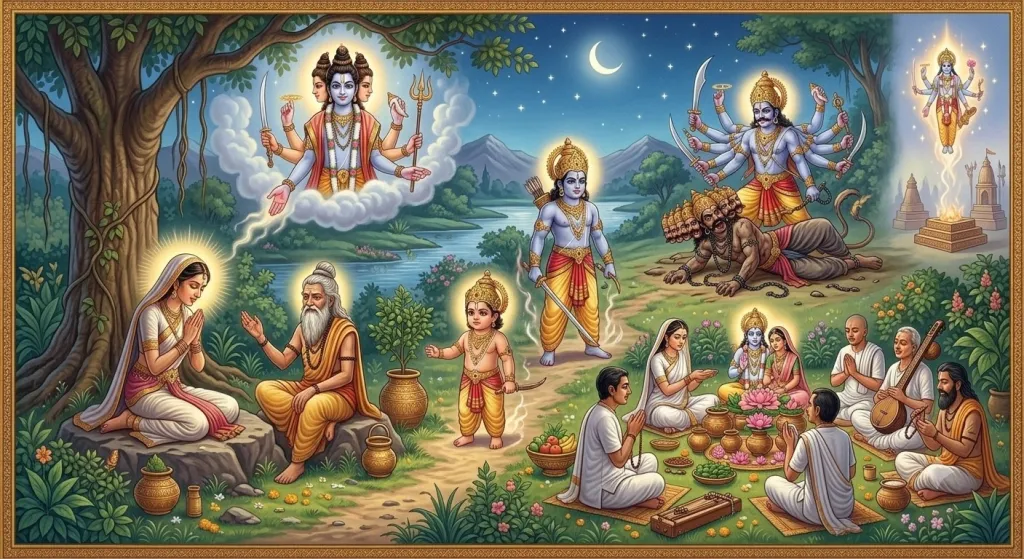
Scriptures describe sacred story narrated by Bhagawan Krishna to King Yudhishthira, involving King Kritavirya who ruled kingdom of Mahishmati during Treta Yuga. King Kritavirya was mighty ruler, but despite having many queens, he had no son to carry forward royal lineage. King tried all sacrifices, medicine, and rituals, but failed to get offspring.
Deeply sorrowful, King Kritavirya decided to renounce royal duties, hand over kingdom to ministers, and leave for forest penance. Queen Padmini, daughter of King Harischandra, accompanied her husband to Mandrachala mountain forest to perform intense austerity. King practiced severe penance for thousands of years, becoming extremely weak and frail, yet failed to receive divine darshan of Bhagawan Vishnu.
Seeing condition of king, Queen Padmini approached Maa Anusuya, wife of Sage Atri, seeking guidance. Compassionate Anusuya informed queen that Adhika Masa occurs once in three years, containing two special Ekadashis. Anusuya instructed Queen Padmini to observe strict fast on Shukla Paksha Ekadashi of Adhika Masa with total devotion to Bhagawan Purushottama.
Queen Padmini strictly followed advice of Maa Anusuya and observed fast on Padmini Ekadashi along with night vigil. Pleased with deep faith and sacrifice of Queen Padmini, Shri Hari appeared before couple riding on Garuda. Bhagawan offered boon to queen, but queen humbly requested Bhagawan to grant powerful son to her husband. By divine grace of Bhagawan Vishnu, Queen Padmini soon gave birth to powerful son Kartavirya Arjuna, who grew up to become mighty king, defeated demon king Ravana, and ruled righteously.
Rituals to be performed on Padmini Ekadashi
Devotee must wake up early in morning during Brahma Muhurta and take ritual bath using clean water without using soap, shampoo, or such cosmetic products.
Puja area should be cleaned thoroughly and idol or photo of Bhagawan Vishnu, specifically Bhagawan Purushottama form alongside Maata Lakshmi, should be placed respectfully.
Light ghee lamp, offer fresh yellow flowers, sandalwood paste, incense, betel leaves, and Tulsi leaves to Bhagwan Vishnu.
Chant Vishnu Sahasranama, Hare Krishna Mahamantra, or Om Namo Bhagavate Vasudevaya continuously throughout day.
Listen to or read Padmini Ekadashi Katha with family members in peaceful state of mind.
Offer your respects to parents and other elders, especially Guru, seeking their heartfelt blessings on this sacred morning.
Observe fast during entire day according to individual health capacity. Healthy individuals can observe strict fast without water or taking only water. Milk, curd, and fruits can be consumed if complete fasting is difficult due to health reasons. Rice, wheat, barley, lentils, pulses, and all food grains must be avoided strictly. Heavy spices, regular salt, garlic, onion, tea, coffee, outside processed food, and alcohol must be strictly avoided.
Perform evening Aarti with devotion, keep night vigil (Jagaran) singing devotional hymns, offer special Naivedya to Bhagwan Vishnu, and maintain noble thoughts, avoiding anger, backbiting, falsehood, or harsh speech.
Break fast next day on Dwadashi tithi during scheduled Parana time. Fast should be broken after sunrise once Hari Vasara period concludes. Offer naivedya to Bhagwan Vishnu, perform short prayer, and break fast by consuming prasada, water, or fruits before eating regular food.
PS: Article re-formatted into blocks and Header Image changed. Updated link to Adhika Masa Article (which is written later)