From Misbehaviour to Atonement: TDB’s Quest to Fix Sabarimala’s Ritual Flaws

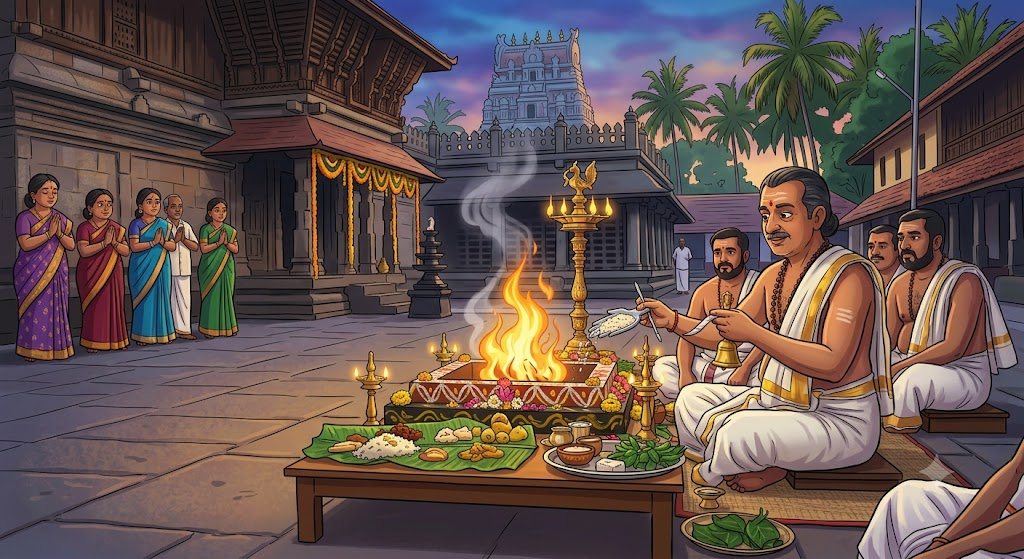
Prayaschitta Puja in Kollur Mookambika by Travancore Devaswom Board as per 2018 Devaprashnam findings

Travancore Devaswom Board has initiated a series of special remedial rituals known as parihara kriyas across approximately 25 prominent temples in Kerala and neighbouring Karnataka. This extensive spiritual exercise aims to rectify several long-pending doshas or ritual afflictions that were formally identified during Ashtamangala Devaprashnam conducted at Sabarimala Sree Ayyappa Swamy Temple in 2018. The temples selected for these sacred rites include Kollur Mookambika Temple in Karnataka, Kumaramangalam Subrahmanya Swamy Temple at Bela in Kasaragod, Edakkad Vishnu Temple in Kannur, Vadakkunnathan Temple and Koodalmanikyam Temple in Thrissur, along with Guruvayur Sree Krishna Swamy Temple.

Addressing Vak Dosham and Misbehaviour Towards Devotees

Among various ritual flaws revealed during astrological consultation, one of primary concerns was Vak Dosham, a spiritual affliction caused by improper or abusive language. According to findings, harsh words and rude conduct by temple employees, police personnel, and security staff towards Sabarimala pilgrims created serious negative spiritual repercussions. To mitigate this specific flaw, special offerings were recently presented at Kollur Mookambika Temple. Representatives offered Navu, Mani, and Narayam, which represent a tongue, a bell, and a stylus, seeking divine grace from Goddess Mookambika to cleanse speech related dosha. A Maha Pooja will also take place at Kollur following Navaratri celebrations.

Extensive Remedial Offerings Across Sacred Sites

Apart from ceremonies at Kollur, similar atonement procedures are structured across multiple holy shrines to ensure complete spiritual cleansing. At Kumaramangalam Subrahmanya Swamy Temple in Kasaragod, Karthika Pooja and kanikka offerings were conducted prior to upcoming Ranga Pooja. Sacred shrines like Guruvayur Sree Krishna Swamy Temple will see key offerings including Neeranjanam, Neyvilakku or ghee lamps, Palpayasam, and ritual kanikka. Similar ceremonies are aligned at Vadakkunnathan Temple, Koodalmanikyam Temple, and Edakkad Vishnu Temple. Each location has been chosen based on specific deity associations and traditional scriptural guidelines prescribed by Vedic authorities.

Validation of My 2018 Article on Sabarimala Devaprashnam

When I wrote my article in August 2018 titled Kerala Floods Devaprashnam Conversation with Divine in Sabarimala and Warnings Ignored, I detailed how ancient astrological inquiry exposed deep-rooted operational and ritualistic errors at Sabarimala. In that piece, I specifically drew attention to published findings pointing out that security personnel, police, and temple workers were treating pilgrims harshly, creating severe Vak Dosham. Devaprashnam had also warned about neglected traditions, improper offerings, disrespect to holy spots, and impending ecological calamities along Pamba river bank which scarily came true, Nothing was left standing after nature’s fury in Pamba.

At that time, many recommendations were ignored or brushed aside by administrative authorities who selectively implemented only convenient measures. Seeing Travancore Devaswom Board finally perform these exact parihara kriyas after six long years serves as a powerful validation of what was documented back in 2018. It proves that divine warnings delivered through Devaprashnam cannot be permanently buried under administrative convenience. True restoration of sanctity requires genuine humility, proper conduct towards devotees, and complete adherence to prescribed spiritual remedies.

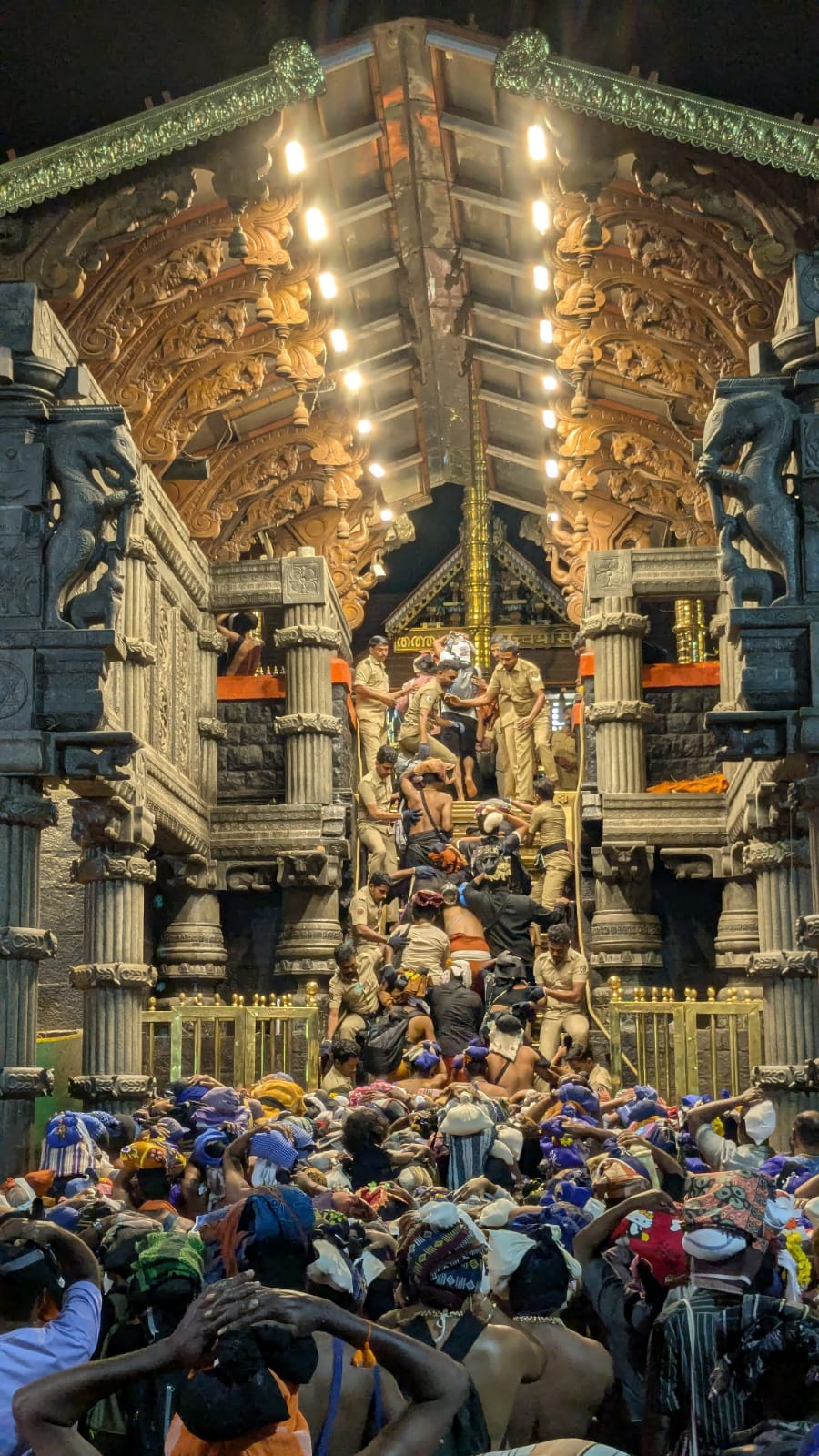
Even now against the recommendation of Devprashnam though the then structure was dismantled, a new structure has been erected (though retractable) blocking Ayyappa’s vision. When do we learn?
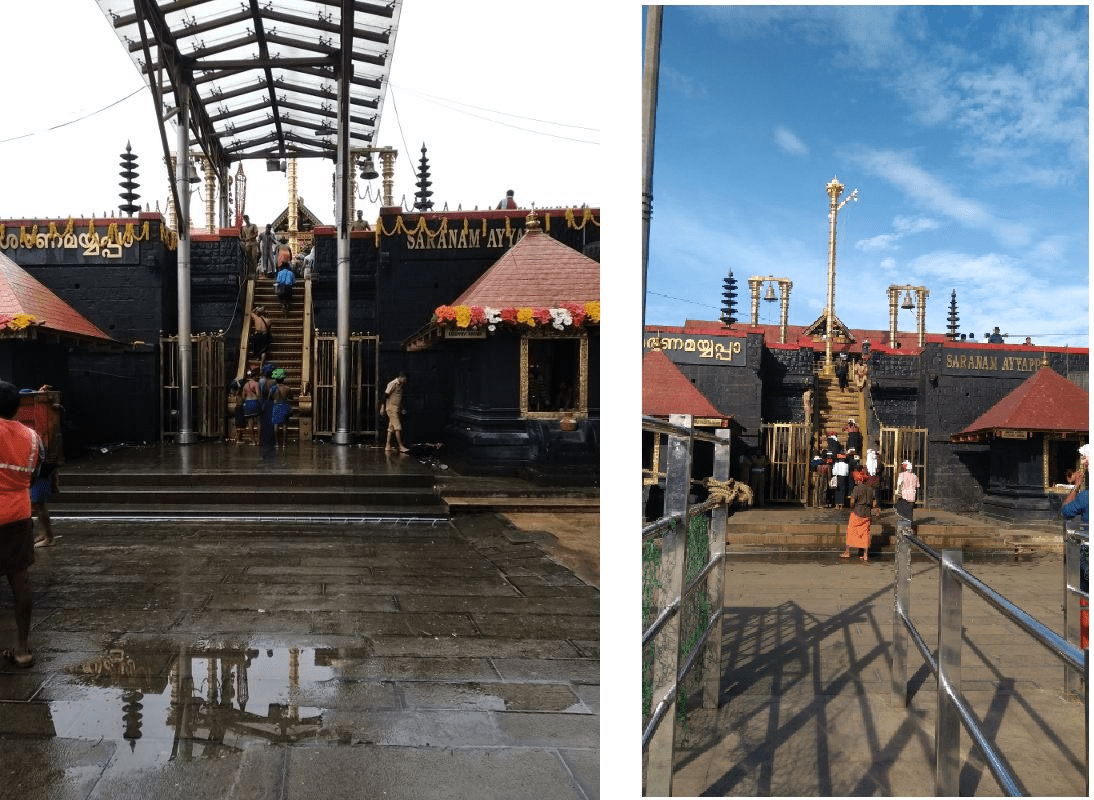
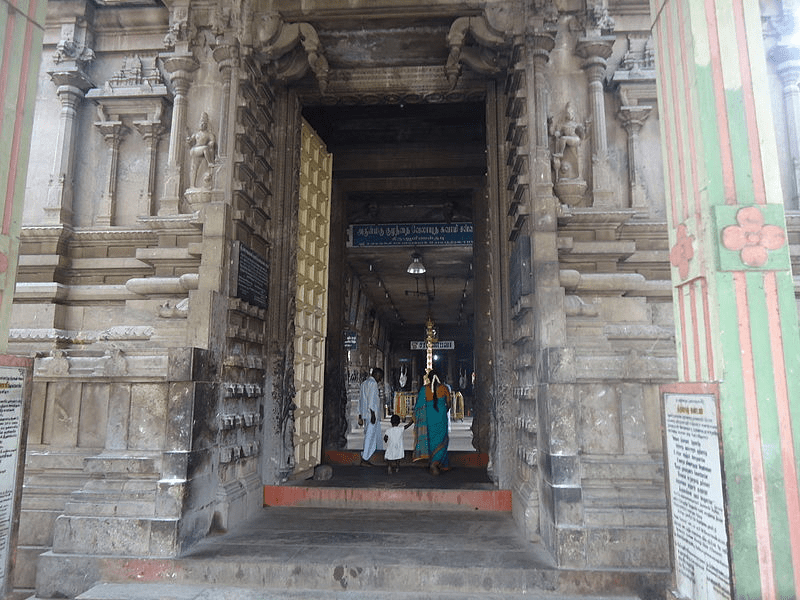
The Shelter (Picture on the left) Over 18 Steps were removed after Devaprashnam in 2018
Once again a new Structure is erected against 2018 Devaprashnam findings (though it is retractable)

Check these articles

Aadi Krithigai – Ultimate Ritual of Faith and Surrender

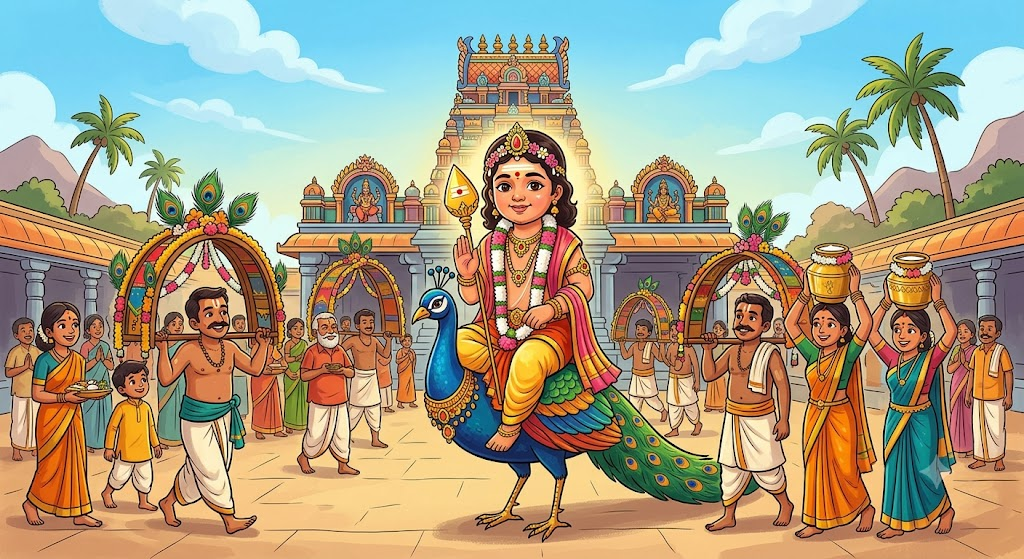
Aadi Krithigai is an important festival celebrated mostly in Tamil Nadu and South India. It falls in Tamil month of Aadi, which usually comes between July and August. This day is dedicated to Swami Murugan, who is also known as Kartikeya, Subramanya, or Skanda.

In Hindu tradition, Aadi is considered a deeply spiritual month. During this month, power of Maata Shakti and her blessings are very strong. Krithigai star or Nakshatra comes every month, but when it aligns with Aadi month, it becomes extra special. Devotees believe that worshipping Swami Murugan on this day removes obstacles, removes bad karma, and brings peace, good health, and success in life.

Legend Behind the Festival – Swami Murugan and Krithigai Stars

According to ancient scriptures, Swami Murugan was born from divine third eye of Bhagwan Shiva. Bhagwan Shiva released six divine sparks of fire to destroy demon Tarakasura, who was troubling gods and innocent people. These sparks were so bright and hot that even wind god Vayu and fire god Agni could not hold them.

Sparks were carried to Ganges river and then reached Saravana lake. There, six sparks transformed into six beautiful baby boys. To nurture these infants, Bhagwan Shiva and Maata Parvati appointed six maidens known as Krittikas. These six maidens represent six stars of Pleiades star cluster in astronomy.

Six Krittika maidens showered pure love and care on six babies. Later, Maata Parvati came and embraced all six children together. By her divine touch, six babies joined together to become one single deity with six faces and twelve hands. This form of Murugan is called Shanmukha.

Maata Parvati and Bhagwan Shiva were pleased with loving service of Krittika maidens. Bhagwan Shiva granted a boon that these six maidens would be immortalized as stars in sky. He also declared that anyone who worships Swami Murugan on star day of Krithigai will receive special blessings of both Murugan and divine mothers.

Scriptural References

Story of Swami Murugan, his birth from divine sparks, and his nurturing by six Krittika maidens appears primarily in major Puranas and classical epics.

  • Skanda Purana: This is main and most detailed source for complete life story of Swami Murugan. Entire text is named after Skanda or Murugan, and it contains entire chronicle of his birth, role of six Krittika mothers, receiving his holy weapon Vel, and victory over demon Tarakasura.
  • Shiva Purana: Story appears in detail during narrative of Shiva and Parvati marriage and creation of warrior deity to save gods from demon oppression. It explains how divine energy was carried by Agni and Ganga before reaching Saravana lake and six Krittika maidens.
  • Mahabharata and Ramayana: In Vana Parva section of Mahabharata, story of Skanda birth and his connection with Krittika star mothers is narrated in detail to Yudhishthira. In Ramayana Bala Kanda, Sage Vishwamitra narrates divine story of Kartikeya birth to Bhagwan Rama.
  • Kumarasambhava by Kalidasa: This famous Sanskrit epic poem written by poet Kalidasa focuses entirely on courtly retold version of events leading up to birth of Kumara or Swami Murugan to defeat demon Tarakasura.
  • Sangam Literature and Tamil Texts: In Tamil tradition, story and worship practices are recorded in ancient Sangam literature works like Tirumurugatrupadai composed by Nakkeerar, as well as medieval masterwork Kanda Puranam written by Kachiyappa Sivachariyar.

Associated Legends and Stories

Story of Idumban and Origin of Kavadi

Agastya sage wanted to bring two hills named Sivagiri and Shakti Giri from Himalayas to South India for worship. He requested his disciple Idumban to carry them. Idumban tied two hills to two ends of wooden beam using snakes as ropes and carried them on his shoulder. This setup became first Kavadi.

On his way near Palani, Idumban felt tired and kept hills down to rest. When he tried to lift them again, hills would not move. He saw a young boy standing on top of hill. Boy claimed hills belonged to him and refused to step down. Idumban got angry and tried to fight boy, but boy defeated him easily.

Idumban realized that boy was Swami Murugan himself and begged for forgiveness. Swami Murugan restored Idumban back to life and blessed him. Murugan declared that anyone carrying Kavadi on shoulder with devotion, especially on holy days like Aadi Krithigai, will have their desires fulfilled and burdens lifted.

Story of Peace at Thiruttani

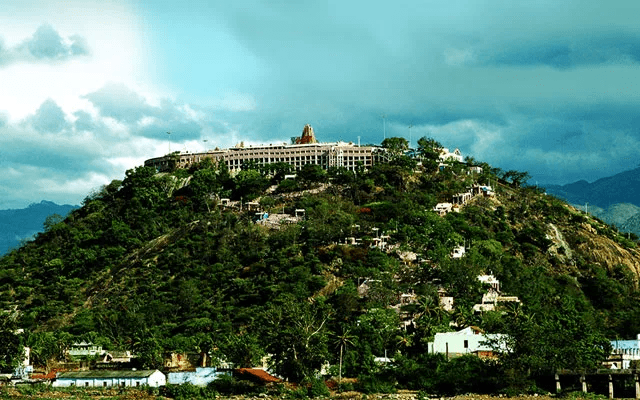
Another legend connects Aadi Krithigai to Thiruttani temple, which is fifth abode of Swami Murugan. After ending long battle against demon Surapadman, Swami Murugan was filled with intense heat and anger. He needed quiet place to calm his mind and rest.

He chose top of Thiruttani hill to cool down his anger. Devotees and celestial beings gathered there on Krithigai day to offer him cool water, milk, and fragrant flowers. Swami Murugan became peaceful and granted deep mental relief to everyone present.

Because of this event, devotees believe worshipping Murugan at Thiruttani during Aadi Krithigai cools down anger, stress, and anxiety from life.

Legend of Divine Mango and Palani Hill

Sage Narada once brought rare mango of knowledge to Kailash and gave it to Swami Shiva and Maata Parvati. Both parents decided to give fruit to child who circles world first. Swami Murugan immediately sat on his peacock and flew around world. Bhagwan Ganesha simply walked around his parents, saying they were his entire world, and won fruit.

Pazhani Malai

When Murugan returned and saw fruit given to Ganesha, he felt upset. He left Kailash and went south to settle on Palani hill as hermit with simple staff and loincloth. Maata Parvati and Shiva came down to console him and explained that he himself was ultimate fruit of divine knowledge.

Devotees celebrate Aadi Krithigai to honor simplicity of Swami Murugan on Palani hill and seek true wisdom over worldly possessions.

Rituals Followed & Beginning of the Practice

Practice of celebrating Aadi Krithigai started centuries ago as a way to show gratitude to Krittika mothers and honor birth purpose of Swami Murugan. Since Swami Murugan was raised by mothers who gave him love and protection, devotees honor this bond by observing strict vows on this day.

Devotees wake up early during Brahma Muhurtham, take bath, and visit Murugan temples. Many people undertake fast for whole day or eat only simple fruits and milk.

One major ritual associated with Aadi Krithigai is carrying Kavadi. Devotees carry a decorated wooden arch on their shoulders as symbol of surrender and sacrifice. They often walk miles barefoot to reach famous Murugan shrines like Palani, Thiruttani, Swamimalai, and Tiruchendur. Carrying milk pots or Paal Kudam on head is another popular practice to offer holy bath or Abhishekam to Swami Murugan.

Flowers like marigold and red rose are offered to Swami Murugan during special prayers. Temples echo with chants of Vel Vel Muruga and songs praising his courage and compassion. By performing these simple acts of devotion, believers seek inner strength and divine protection for their families.