Nirjala Ekadashi: Unlocking Merit of All Ekadashis

यस्य स्मरणमात्रेण जन्मसंसारबन्धनात् ।
विमुच्यते नमस्तस्मै विष्णवे प्रभविष्णवे ॥

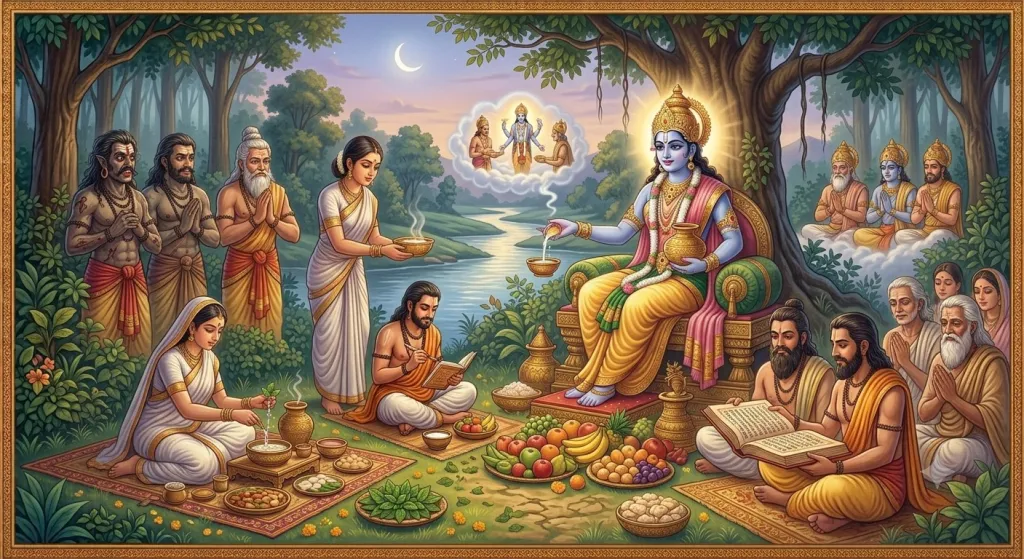
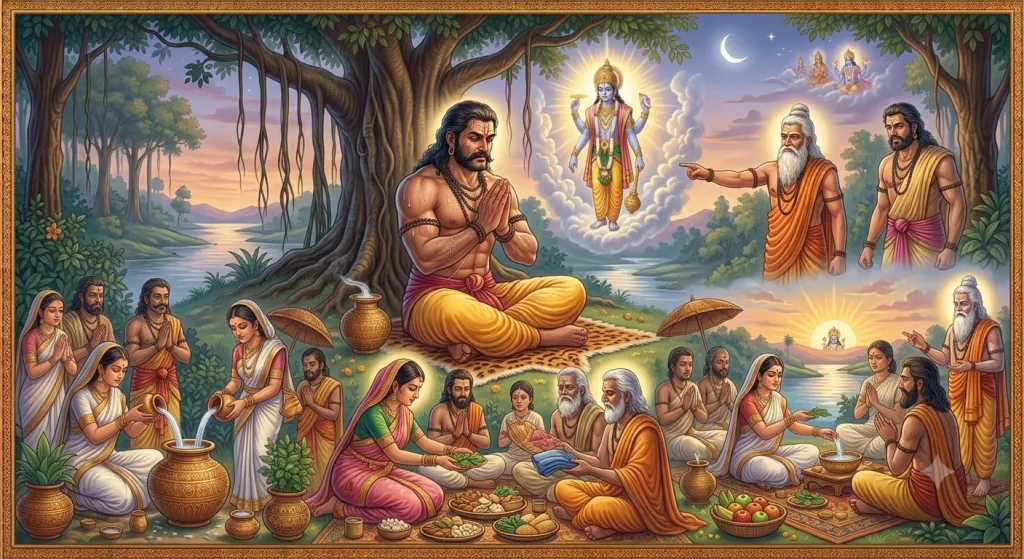
Nirjala Ekadashi occurs during Shukla Paksha (waxing phase of moon) of Jyeshtha month (May-June). It is considered most rigorous, spiritually rewarding, and supreme among all twenty four Ekadashis observed in year. Devotees dedicate this day to worship Bhagawan Vishnu with complete self-control, abstaining strictly from food and even single drop of water throughout fast duration.

Meaning and Significance of Nirjala Ekadashi

Understanding name itself reveals supreme nature of this sacred day. In Sanskrit, Nir means without and Jala means water. Therefore, Nirjala Ekadashi translates to 11th day observed completely without water. It is also popularly known as Bhima Ekadashi or Pandava Ekadashi.

Observing fast without water during hot summer month of Jyeshtha tests physical endurance, mental strength, and spiritual determination. Scriptures state that observing Nirjala Ekadashi fast sincerely grants benefits equal to observing all twenty four Ekadashis of year combined. It cleanses accumulated sins, purifies mind, grants good health, prosperity, and ensures path towards ultimate liberation or Moksha.

Legend associated with Nirjala Ekadashi

Scriptures describe sacred story narrated by Maharishi Ved Vyasa to second Pandava brother Bhimasena. While all other Pandava brothers Yudhishthira, Arjuna, Nakula, Sahadeva, and their wife Draupadi observed every Ekadashi fast strictly, Bhima faced great difficulty. Bhima possessed immensely powerful appetite driven by fire of Vrikadhara in his stomach, making it impossible for him to control hunger or fast twice every month.

Feeling distressed that he was missing out on spiritual blessings, Bhima approached Maharishi Vyasa seeking solution. Bhima humbly expressed his inability to control hunger twenty four times year, but expressed deep wish to attain benefits of Ekadashi fasts and reach Vaikuntha.

Maharishi Ved Vyasa advised Bhima to observe single, strict fast on Nirjala Ekadashi in Shukla Paksha of Jyeshtha month. Maharishi explained that on this specific day, devotee must refrain from consuming food and even single drop of water from sunrise of Ekadashi until sunrise of Dwadashi. Sage assured Bhima that by observing this tough penance with devotion to Bhagawan Vishnu, he would obtain complete merit of all twenty four Ekadashis of year.

Bhima accepted advice of Maharishi Vyasa and observed fast with utmost dedication. Due to intense heat and hunger, Bhima collapsed during fast, but by divine grace of Bhagawan Vishnu and guidance of Vyasa, he completed fast successfully. Thus, this sacred day came to be known as Bhima Ekadashi.

Rituals to be performed on Nirjala Ekadashi

Devotee must wake up early in morning during Brahma Muhurta and take ritual bath in clean water.

Puja area should be cleaned thoroughly and idol or photo of Bhagawan Vishnu, along with Goddess Lakshmi, should be placed respectfully.

Light ghee lamp, offer fresh yellow flowers, sandalwood paste, incense, Tulsi leaves, and seasonal fruits like melons to Bhagwan Vishnu.

Chant Vishnu Sahasranama, Hare Krishna Mahamantra, or Om Namo Bhagavate Vasudevaya continuously throughout day.

Listen to or read Nirjala Ekadashi Katha with family members in peaceful state of mind.

Observe strict fast without consuming any food or water for entire twenty four hour period, starting from sunrise of Ekadashi to sunrise of Dwadashi. Healthy individuals should refrain from even drinking water. Elderly people, children, or individuals with medical conditions can consume water, milk, or fruits according to capability. Food grains like rice, wheat, barley, lentils, and pulses must be strictly avoided. Heavy spices, regular salt, garlic, onion, tea, coffee, and alcohol must be avoided completely.

Perform charity on this day by donating pots filled with clean drinking water, hand fans, clothes, food, and umbrellas to needy people or Brahmins.

Perform evening Aarti with devotion and maintain noble thoughts, avoiding anger, backbiting, falsehood, or harsh speech.

Break fast next day on Dwadashi tithi during scheduled Parana time. Fast should be broken after sunrise once Hari Vasara period concludes. Offer water, clothes, and naivedya to Bhagwan Vishnu, perform short prayer, offer water to thirsty people, and break fast by consuming water, prasada, or fruits before eating regular food.

PS: Article re-formatted into blocks and change of Header Image

I have written another article on the same subject. You can read it here
Apara Ekadashi: Erasing Big Sins through Divine Grace

मङ्गलम् भगवान विष्णुः, मङ्गलम् गरुणध्वजः।
मङ्गलम् पुण्डरी काक्षः, मङ्गलाय तनो हरिः

Apara Ekadashi falls during Krishna Paksha (dark fortnight) of Jyeshtha month (May-June) according to Amanta calendar or Vaisakha month according to Purnimanta calendar. It is highly auspicious day observed by devotees of Bhagawan Vishnu across world. Worshiping Lord Trivikrama form of Bhagawan Vishnu on this sacred day bestows boundless merits, removes heavy sins, and grants immense fame, wealth, and spiritual growth.

Meaning and Significance of Apara Ekadashi

Understanding name itself reveals divine power of this day. In Sanskrit, Apara means unlimited, endless, or boundless. Therefore, Apara Ekadashi translates to 11th day that bestows infinite spiritual merit and merit beyond measure upon devotee.

Every human being inadvertently accumulates negative karma through false speech, criticism, deceit, or selfish actions. Observing fast on Apara Ekadashi with pure intention cleanses soul from even most severe past sins, including bearing false witness, greed, or disrespecting spiritual teachers. Scriptures state that spiritual benefit gained by observing this fast equals taking sacred bath in river Ganga during Kumbha Mela or performing charity at holy places like Kedarnath and Badrinath.

Legend associated with Apara Ekadashi

Scriptures describe sacred story narrated by Bhagawan Krishna to King Yudhishthira, involving virtuous ruler named King Mahidhwaja. King Mahidhwaja was noble, pious, and generous ruler who cared deeply for his subjects. However, his younger brother Vajradhwaja was extremely jealous, cruel, and wicked in nature.

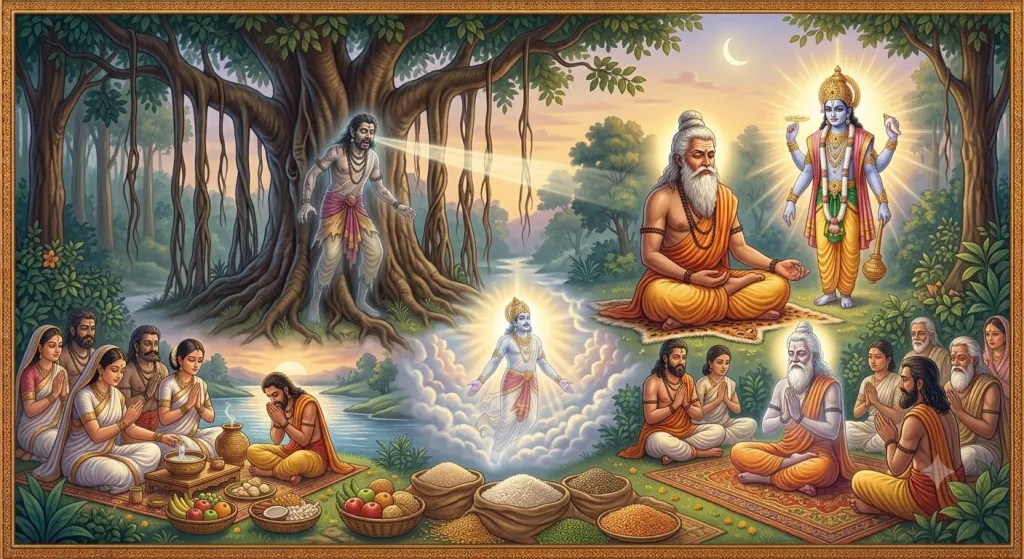
Vajradhwaja could not bear popularity and righteousness of his elder brother. In fit of envy, Vajradhwaja murdered King Mahidhwaja quietly in middle of night and buried his body under banyan tree in deep forest. Due to unnatural death and unresolved pain, spirit of King Mahidhwaja became restless Pret (ghost) and started living around that banyan tree, causing trouble to travelers passing through forest.

One day, great sage Dhaumya passed near banyan tree and saw restless spirit of king through his yogic vision. Sage felt deep compassion for suffering soul and used his divine powers to understand cause behind king tragic fate. Sage Dhaumya approached spirit, offered solace, and decided to rescue him from miserable existence.

To liberate king soul, Sage Dhaumya observed Apara Ekadashi fast himself with complete rituals and strict devotion. Sage then offered entire spiritual merit (Punya) gained from fast to spirit of King Mahidhwaja. By divine influence of this noble act, ghost body vanished immediately. King Mahidhwaja achieved beautiful celestial body, expressed gratitude to sage, and ascended to Vaikuntha aboard divine chariot.

Rituals to be performed on Apara Ekadashi

Devotee must wake up early in morning during Brahma Muhurta and take ritual bath in clean water.

Puja area should be cleaned thoroughly and idol or photo of Bhagawan Vishnu, specifically Trivikrama form, should be placed respectfully.

Light ghee lamp, offer fresh yellow flowers, sandalwood paste, incense, and Tulsi leaves to Bhagwan Vishnu.

Chant Vishnu Sahasranama, Hare Krishna Mahamantra, or Om Namo Bhagavate Vasudevaya continuously throughout day.

Listen to or read Apara Ekadashi Katha with family members in peaceful mind.

Observe fast during entire day according to individual health capacity. Healthy individuals can observe strict fast without water or taking only water. Milk, curd, and fruits can be consumed if complete fasting is difficult due to health reasons. Rice, wheat, barley, lentils, pulses, and all food grains must be avoided strictly. Heavy spices, regular salt, garlic, onion, tea, coffee, outside processed food, and alcohol must be strictly avoided.

Perform evening Aarti with devotion and maintain noble thoughts, avoiding anger, backbiting, falsehood, or harsh speech.

Break fast next day on Dwadashi tithi during scheduled Parana time. Fast should be broken after sunrise once Hari Vasara period concludes. Offer naivedya to Bhagwan Vishnu, perform short prayer, and break fast by consuming prasada, water, or fruits before eating regular food.

Mohini Ekadashi: Overcoming Illusion and Material Attachment

कायेन वाचा मनसेन्द्रियैर्वा बुद्ध्यात्मना वा प्रकृते: स्वभावात्।
करोमि यद्यत्सकलं परस्मै नारायणायेति समर्पयामि॥

Mohini Ekadashi falls during Shukla Paksha (waxing phase of moon) of Vaisakha month (April-May). It is extremely sacred Ekadashi observed by devotees of Bhagawan Vishnu to overcome worldly illusions, desire, and attachments. Observing this auspicious day cuts through Maya (illusion), destroys past sins, and grants spiritual enlightenment.

Meaning and Significance of Mohini Ekadashi

Understanding name itself reveals purpose of this divine day. Name comes from Mohini, beautiful female avatar taken by Bhagawan Vishnu during Samudra Manthana (churning of ocean of milk). Word Moha refers to delusion, illusion, or attachment to material world. Therefore, Mohini Ekadashi translates to 11th day that helps devotee transcend material illusions and worldly bonds.

Human mind easily gets trapped in greed, ego, lust, and delusion created by material existence. Observing fast on Mohini Ekadashi helps devotee cultivate self-control, gain mental clarity, and break free from negative karmic cycles. Scriptures state that observing this fast bestows virtues equivalent to giving away thousands of cows in charity or visiting holy pilgrimage places.

Legend associated with Mohini Ekadashi

Scriptures describe famous story told by Sage Vasistha to King Rama and also narrated by Bhagawan Krishna to King Yudhishthira. Story involves righteous King Dyutiman who ruled prosperous city called Bhadravati along banks of river Saraswati. King had son named Dhrishtabuddhi who was opposite of his father. Dhrishtabuddhi indulged in sinful activities, lost all his wealth, spent money on immoral habits, and disrespected elders.

Exasperated by his continuous misconduct, King Dyutiman disowned Dhrishtabuddhi and threw him out of palace. Left with no money or support, Dhrishtabuddhi wandered in forest, suffering from extreme hunger, cold, and misery. One day, while wandering hopelessly, he reached ashram of Sage Kaundinya near river Ganga.

Dhrishtabuddhi fell at feet of Sage Kaundinya, crying bitterly and begging for way to redeem himself from heavy burden of sins. Seeing his genuine repentance, compassionate Sage Kaundinya advised him to observe Mohini Ekadashi fast in Shukla Paksha of Vaisakha month. Sage assured him that devotion to Lord Vishnu on this day would cleanse all his past wrongdoings.

Dhrishtabuddhi strictly observed Mohini Ekadashi fast following all guidelines with deep devotion. By divine grace of Bhagawan Vishnu, all his sins were burned away instantly. He regained moral clarity, achieved purity of mind, and eventually ascended to divine realm of Vaikuntha aboard celestial chariot.

Another divine event linked with this day is origin of Mohini avatar during Samudra Manthana. When Amrita emerged, demons grabbed pot to consume it. To protect Devas and universe, Bhagawan Vishnu assumed form of Mohini, enchanting female figure. Mohini distracted demons with her beauty and cleverly distributed Amrita to Devas, ensuring preservation of Dharma.

Rituals to be performed on Mohini Ekadashi

Devotee must wake up early in morning during Brahma Muhurta and take ritual bath in clean water.

Puja area should be cleaned thoroughly and idol or photo of Bhagawan Vishnu, especially in Mohini avatar form, should be established.

Light ghee lamp, offer fresh yellow flowers, sandalwood paste, incense, and Tulsi leaves to Bhagwan Vishnu.

Chant Vishnu Sahasranama, Hare Krishna Mahamantra, or Om Namo Bhagavate Vasudevaya continuously throughout day.

Listen to or read Mohini Ekadashi Katha with family members in peaceful state of mind.

Observe fast during entire day according to individual health capacity. Healthy individuals can observe strict fast without water or taking only water. Milk, curd, and fruits can be consumed if complete fasting is difficult due to health reasons. Rice, wheat, barley, lentils, pulses, and all food grains must be avoided strictly. Heavy spices, regular salt, garlic, onion, tea, coffee, outside processed food, and alcohol must be strictly avoided.

Perform evening Aarti with devotion and maintain noble thoughts, avoiding anger, backbiting, greed, or harsh speech.

Break fast next day on Dwadashi tithi during scheduled Parana time. Fast should be broken after sunrise once Hari Vasara period concludes. Offer naivedya to Bhagwan Vishnu, perform short prayer, and break fast by consuming prasada, water, or fruits before eating regular food.

PS: Article re-formatted into blocks and change of Header Image