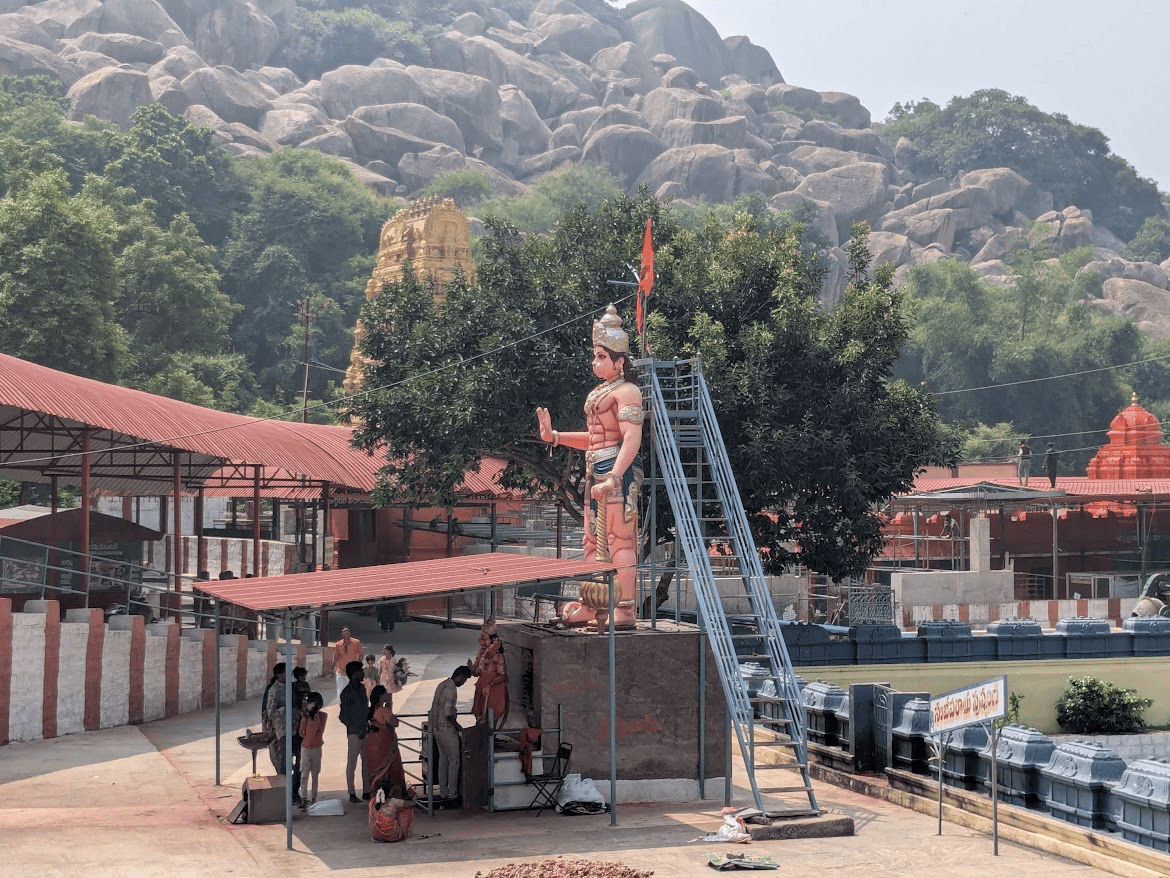
Divine Call to Sacred Hill
Many holy journeys remain dormant in our minds for months or even years, constantly postponed despite our best intentions. Pilgrimage to Ardhagiri was one such long-cherished wish that seemed to slip away every time plans were drawn. Yet spiritual tradition reminds us that no devotee steps onto any of our Deity’s abode out of mere personal choice. So also, this visit to holy abode of Bhagavan Sri Veeranjaneya Swamy materialised only when divine timing aligned perfectly and His divine grace called us forward.
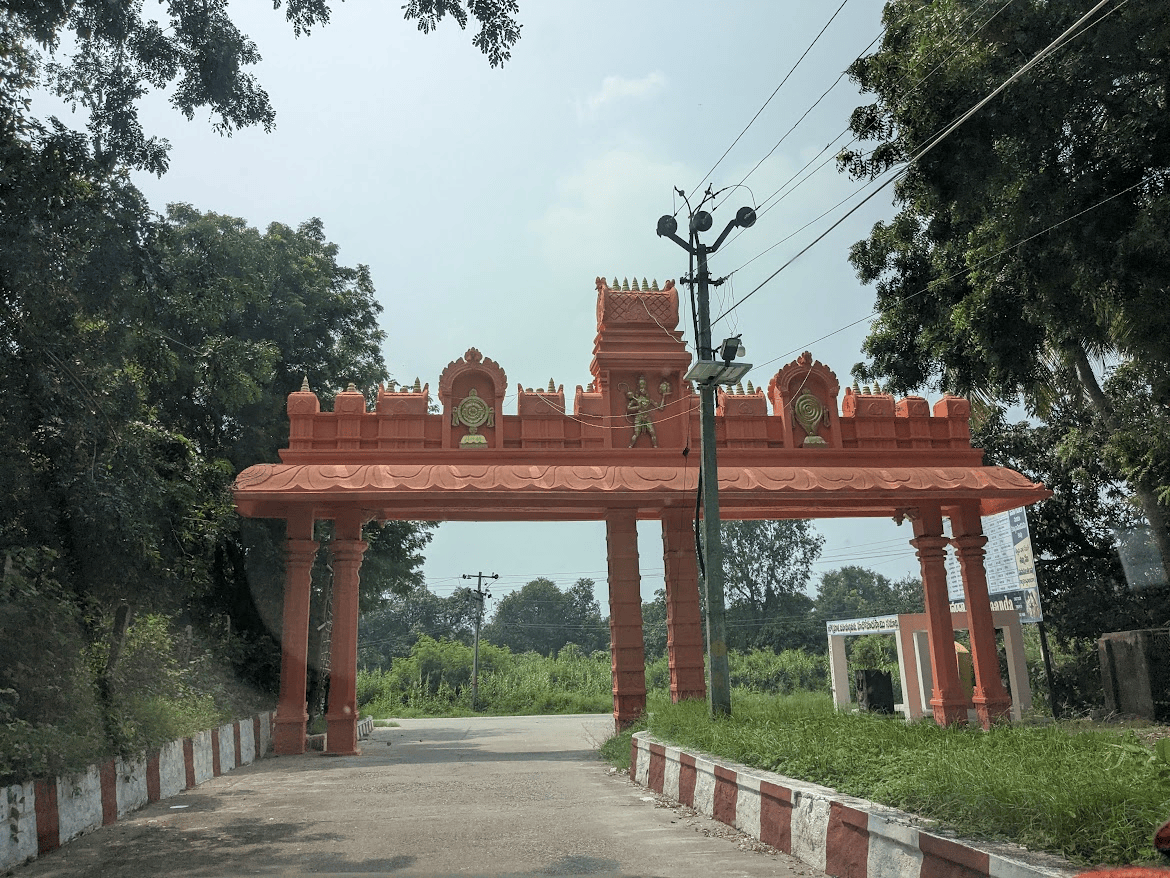
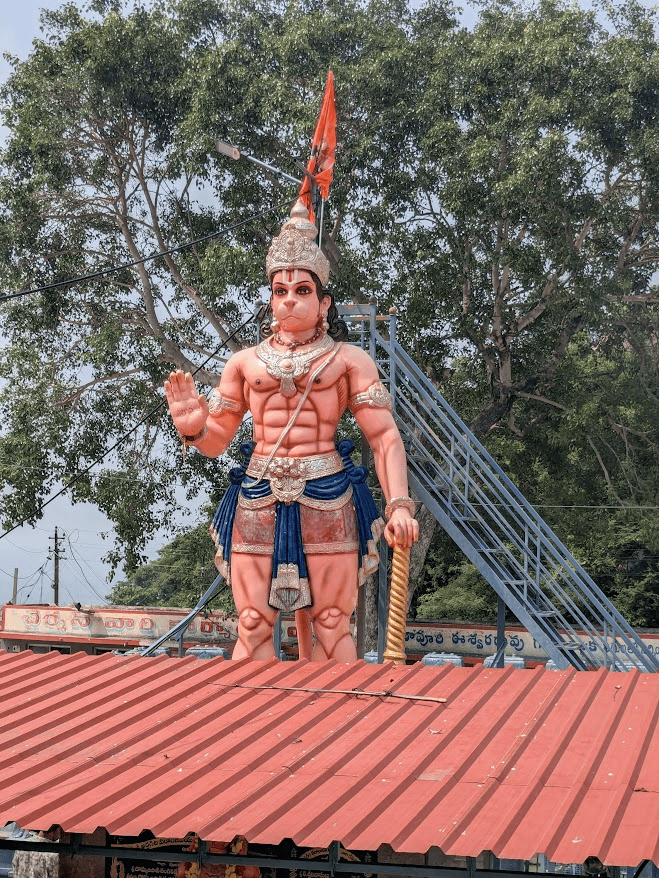
Setting foot at Ardhagiri near Aragonda brought deep sense of completeness, after repeated delays on earlier trips toward Kanipakkam and Tirupati. Standing in presence of Parama Bhakta Sri Hanuman transformed every previous obstacle into profound lesson in patience and surrender. As holy breeze swept past sacred Sanjeevani hill and pristine Pushkarini, long wait instantly dissolved into pure gratitude, making whole journey feel predetermined by His supreme will.
Thanks to Shri Mallesh ji, fellow Art of Living Satsangi and a close friend who hails from this place, and recommended us to take blessings here since we regularly visit Kanipakkam Temple enroute Tirupati. Ever grateful to him for this suggestion.
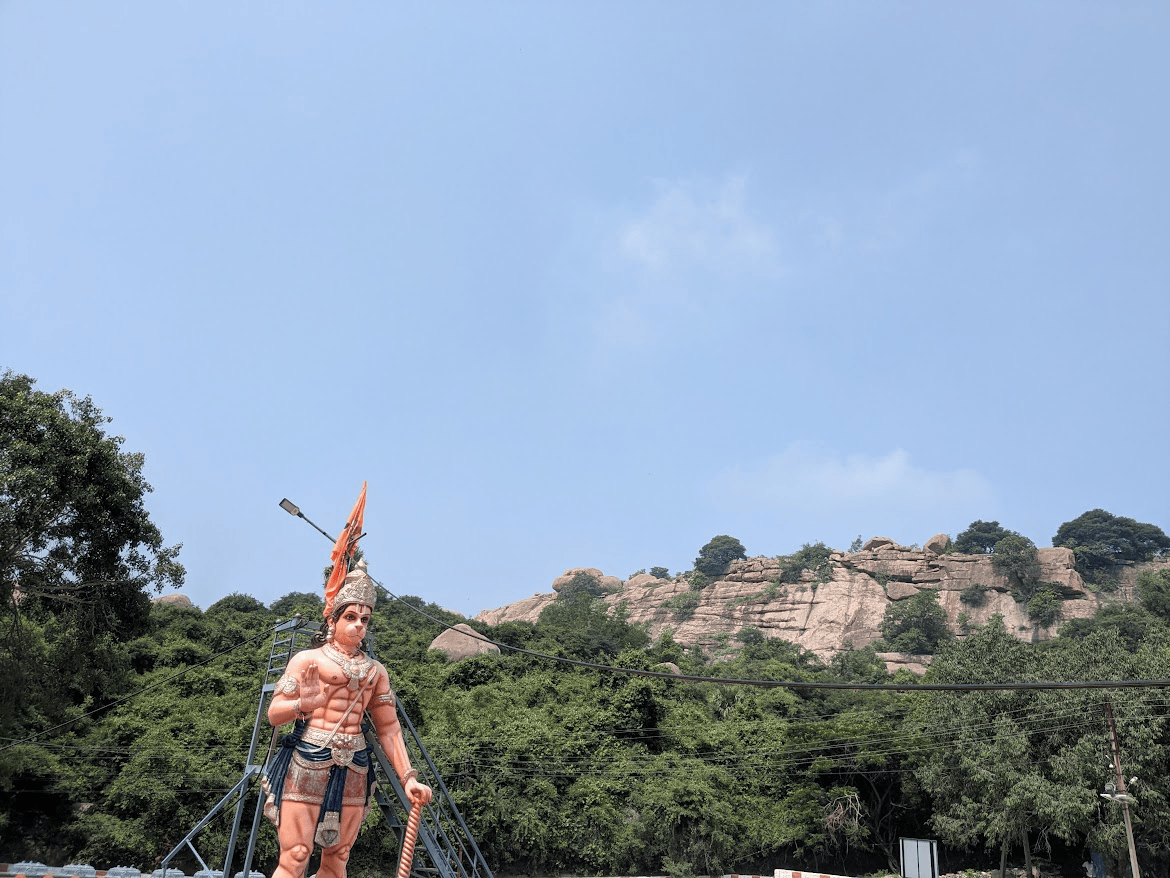
Sthala Puranam of Sacred Hill
Sthala Puranam of Ardhagiri Sri Veeranjaneya Swamy Temple is deeply rooted in epic Ramayana. Located on hillock in Aragonda village of Chittoor district in Andhra Pradesh, this ancient temple holds immense spiritual and medicinal significance. Thousands of pilgrims visit hill every month to seek blessings of Bhagavan Sri Hanuman and experience healing powers of sacred environment.
Epic Connection to Treta Yuga
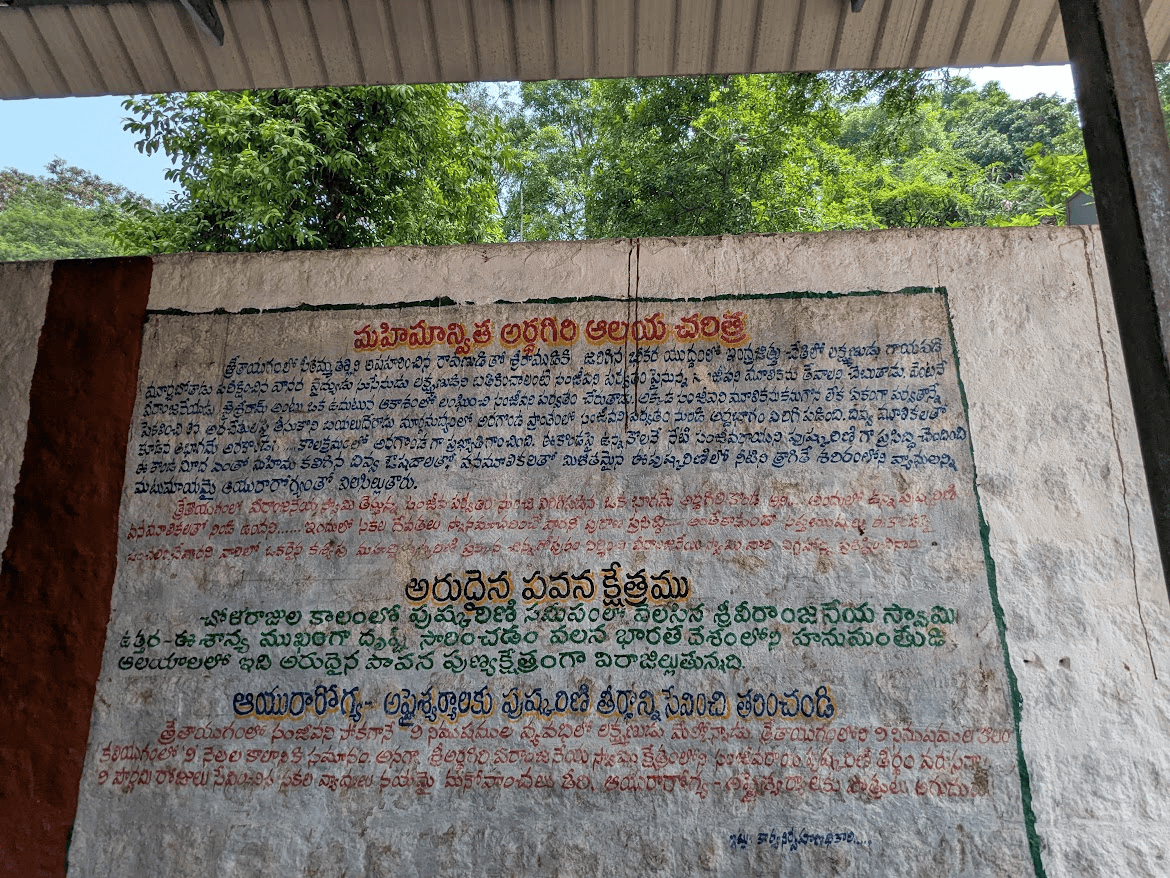
During great war of Ramayana, Lakshmana was struck by powerful weapon called Sanjeevani Shakti launched by Indrajit. Lakshmana fell unconscious and was on verge of death. Royal physician Sushena stated that only life-saving herb Sanjeevani, found on Himalayan slopes, could revive him. Sri Rama requested Hanuman to bring herb before sunrise to save his brother.
Bhagavan Hanuman flew to Himalayas swiftly. Upon reaching Dronagiri mountain, He could not identify exact Sanjeevani herb among glowing plants. With time running out and dawn approaching, Hanuman decided to lift entire mountain in His hand and flew back towards Lanka.
As Hanuman flew over Chittoor region, piece of sacred Dronagiri mountain broke off and fell at current temple location. Word Ardhagiri literally translates to half mountain in local context. Because part of hill carrying divine herbs landed here, entire hillock became sacred. Lakshmana was later revived with herb, and fallen piece stayed behind as center of divine energy.
The Other Legend – Connection to Prince Bharata
While prominent legend speaks of mountain piece breaking off naturally, alternative popular folklore involves Rajakumar Bharata, brother of Bhagawan Sri Rama. According to this narrative, Hanuman was flying through night sky carrying massive Dronagiri mountain. Bharata, who was guarding Ayodhya, noticed massive shadow moving across sky. Fearing it was demon attempting to attack kingdom, Bharata shot powerful arrow at flying figure. Impact of arrow caused portion of mountain to break apart and fall to ground. Upon realising it was Hanuman on divine mission, Rajakumar Bharata repented, and fallen portion became sacred hill of Ardhagiri.
Dravidian Architectural Heritage
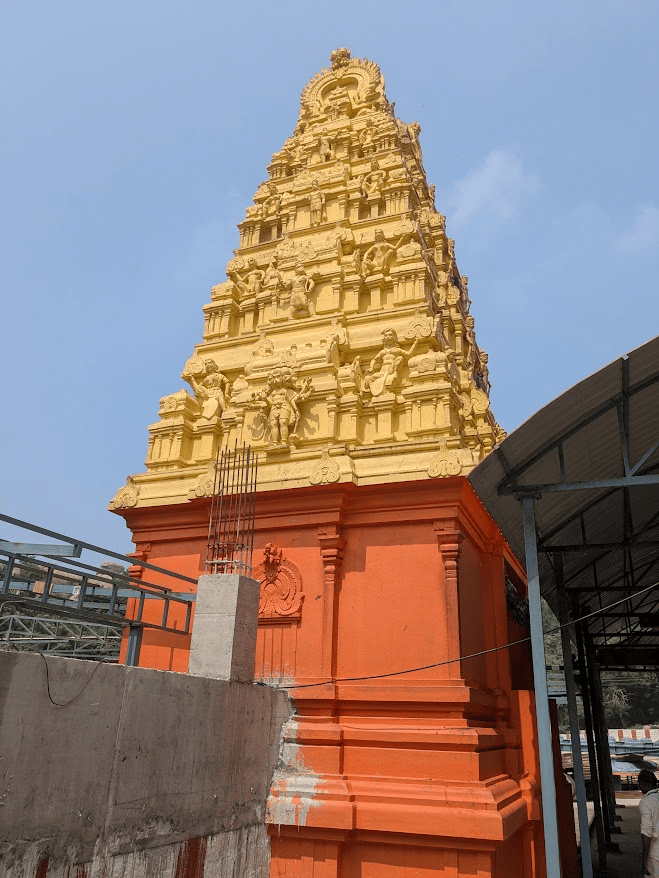
Temple structure is primarily built following traditional Dravidian architecture style common in South India. It features modest yet beautifully designed layout situated at height of about 300 feet on hillock.
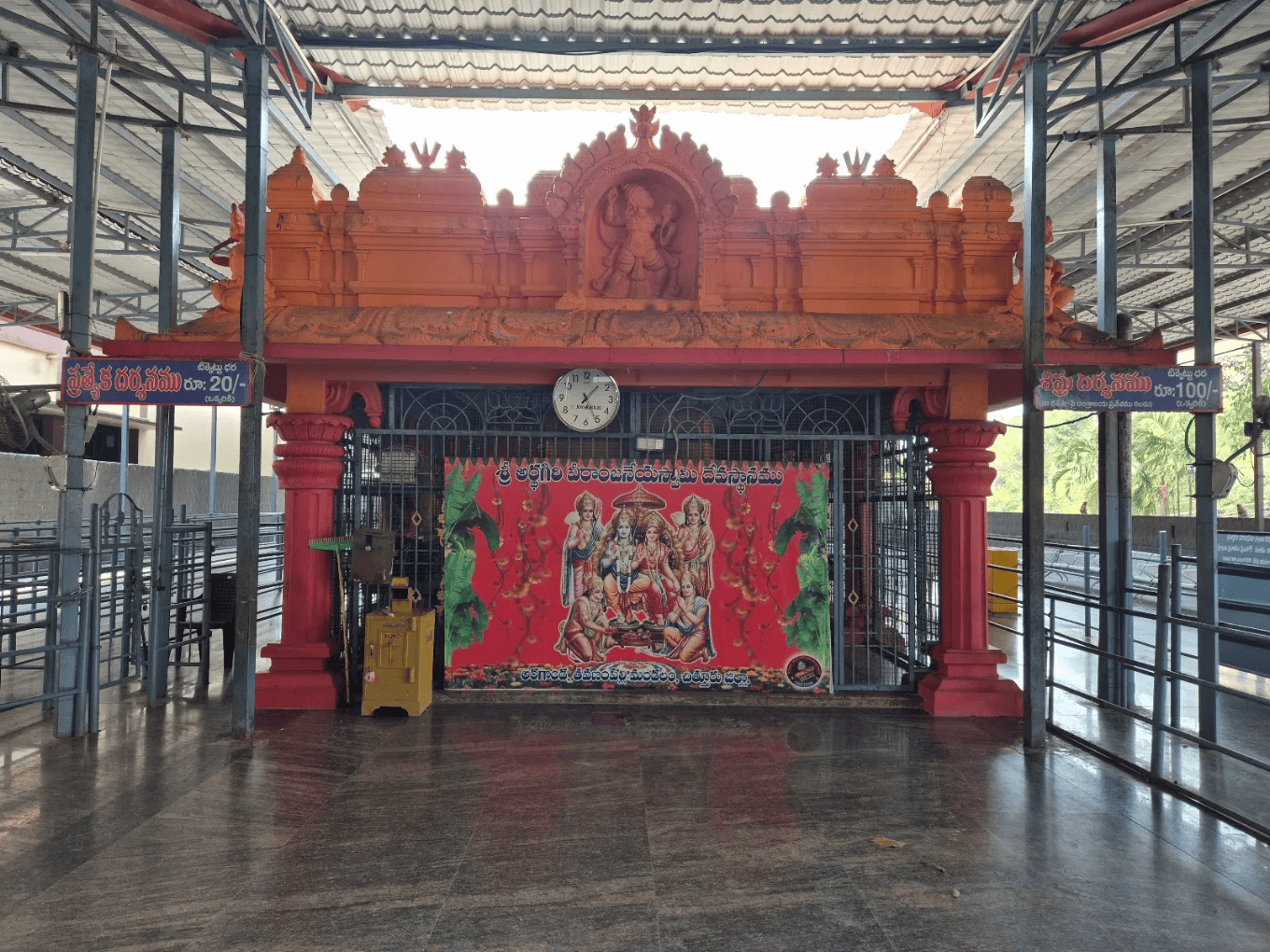
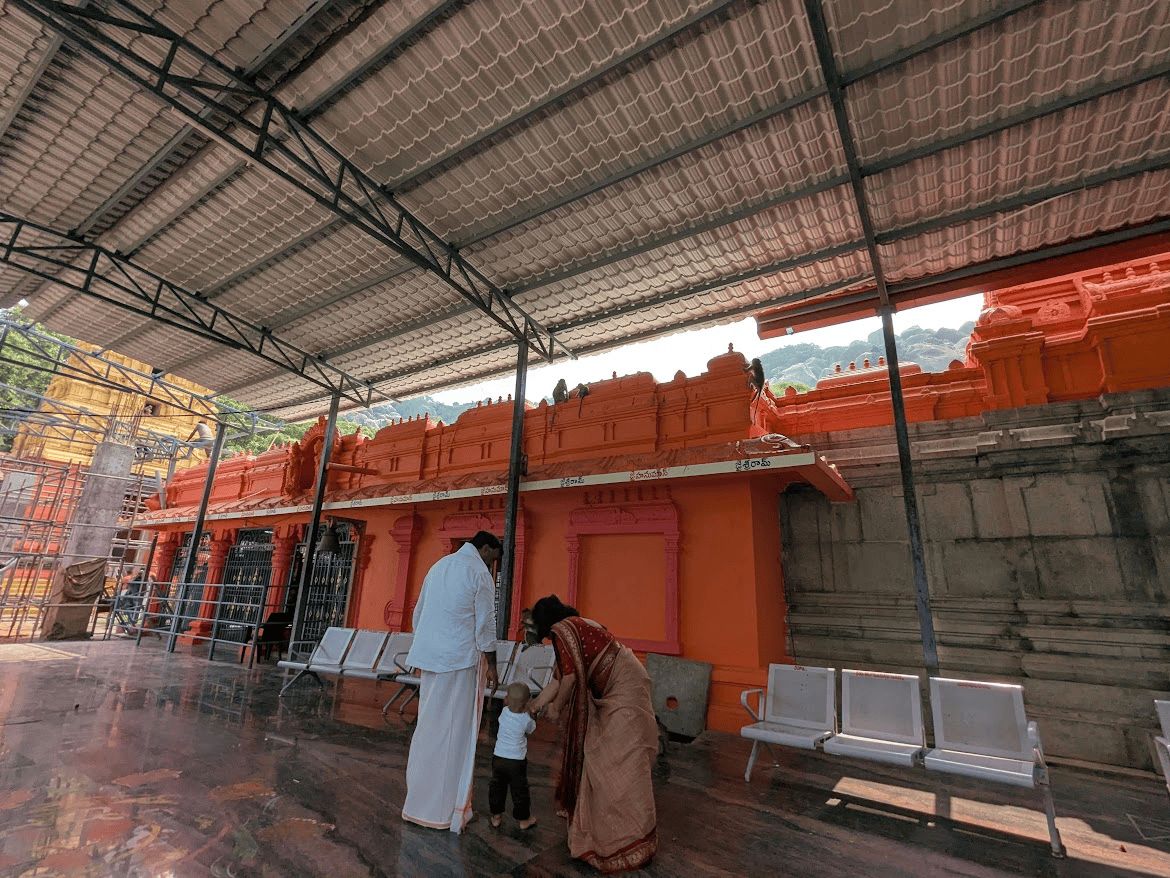
Garbha Gudi houses three-foot-tall idol of Bhagavan Sri Veeranjaneya Swamy covered with protective copper plate. Uniquely, presiding deity faces north direction. This is uncommon posture for Anjaneya temples, symbolising His flight back towards northern Himalayan region while holding mountain. Tiled courtyard forms Pradakshina route for devotees, while outer walls of structure are adorned with intricate relief sculptures depicting various Hindu deities.
Historical Origins and Regional Patronage
While divine legacy of hill originates in ancient epics, physical temple structure dates back over three hundred years. Exact names of specific kings responsible for building first shrine remain unrecorded in local inscriptions. Historical records indicate that regional chieftains and local rulers under major kingdoms built initial stone structure to protect self-manifested spot. Over generations, local zamindars and royal patrons added outer corridors and platforms, turning simple hill shrine into prominent center of worship.
Astronomical Marvel of Surya Kiran
One of most fascinating engineering features of this ancient structure involves its alignment with sun. Temple design allows early morning sunbeams to enter directly into inner sanctum. As sun rises, oblong rays first fall directly on feet of Bhagavan Sri Hanuman idol. With progression of day, light gradually moves upward, illuminating each portion of deity before finally disappearing over head. Devotees view this phenomenon as Surya Deva paying respect to bravery and devotion of Bhagavan Sri Hanuman.
Sacred Sanjeevani Pushkarini
At mountain top, there is sacred pond known as Sanjeevani Pushkarini. Local tradition holds that water here never dries up, even in peak summer. Because mountain piece contained rare Himalayan medicinal plants, water passing through rocks absorbs these herbal properties. Thousands of devotees visit temple to collect this water, believing it cures chronic skin diseases and physical ailments.
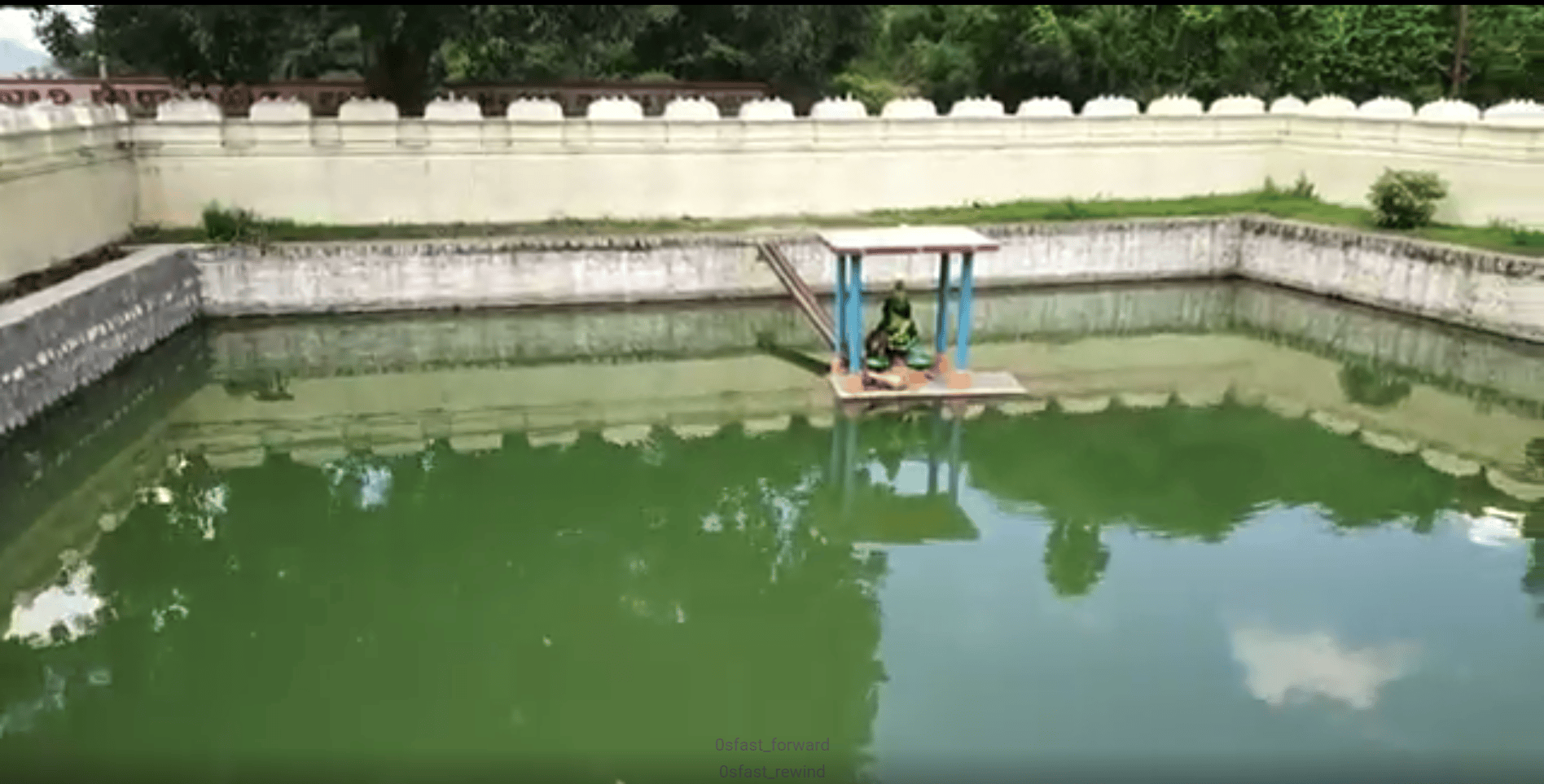
Pushkarini remains central to daily lore of temple. Ongoing tradition surrounds distribution of this medicinal water. To protect sanctity of pond and prevent pollution, temple authorities built massive wall around tank and kept main gate locked. Special pipeline was laid connecting locked tank to external distribution room. Devotees gather in lines at this room to collect flowing water, which stays fresh for years without spoiling, serving as household remedy for many families.
Upadevalayas
Within sacred temple complex, several revered upadevalayas exist to complete spiritual landscape of holy hill. Dedicated shrines for Bhagavan Shiva, Bhagavan Vinayaka, and Swami Ayyappa stand in vicinity, receiving traditional worship from visiting pilgrims before main darshan. Devotees also offer sincere prayers at small sanctums honouring regional protectors and divine guardian deities embedded within hill terrain.
Presence of Vanara Troop
As pilgrims ascend sacred slopes of Ardhagiri, large troops of monkeys populate surrounding trees and temple premises. These agile inhabitants move freely around hillock, (are they embodying living continuation of Vanara lineage associated with Kishkindha region? I guess so). We saw that the Visitors approach them with utmost respect and caution while offering small eatables as part of traditional custom. Their playful yet watchful presence adds vibrant energy to hilltop atmosphere, reminding every devotee of ancient forest dwelling companions of Hanuman.
Temple Deities and Devotional Customs
Presiding deity worshipped here is Sri Veeranjaneya Swamy. Devotees perform special prayers on Saturdays and full moon days (Pournami). Faithful believe that praying at this hill brings good health, mental peace, and relief from planetary doshas. Ardhagiri stands today as unique blend of epic history, natural medicine, and architectural brilliance.
Pavanaputra Shri Anjaneya Swami Ki Jai