Satsang: Non-Template Way to Bliss

This article comes out as someone pointed me to a Facebook post by a dear friend and fellow Satsangi whose perspective I deeply respect, yet it sparked a need to share a different side of story and asked me, what would be my take. When it comes to spirituality, we must recognize that every individual walks a unique path, there is no single formula that works for everyone. Spirituality is not a specification based product that comes off an assembly line in a standard size. It is a deeply personal journey where what brings one person to tears of devotion might bring another to a state of silent reflection, and both are equally acceptable. In the end it is all about the journey of an individual from “Where they are, to What they are.”

Satsang and Bhajans are beautiful because they do not demand one rigid way of being. While finding stillness is a powerful outcome, for a significant many, it may not even be the goal. For many seekers, true aim is Bliss. This usually leads to a choice between two experiences, Shanti, which is peace, and Ananda, which is ecstatic joy.

Singer becomes the Song and Dancer becomes the dance

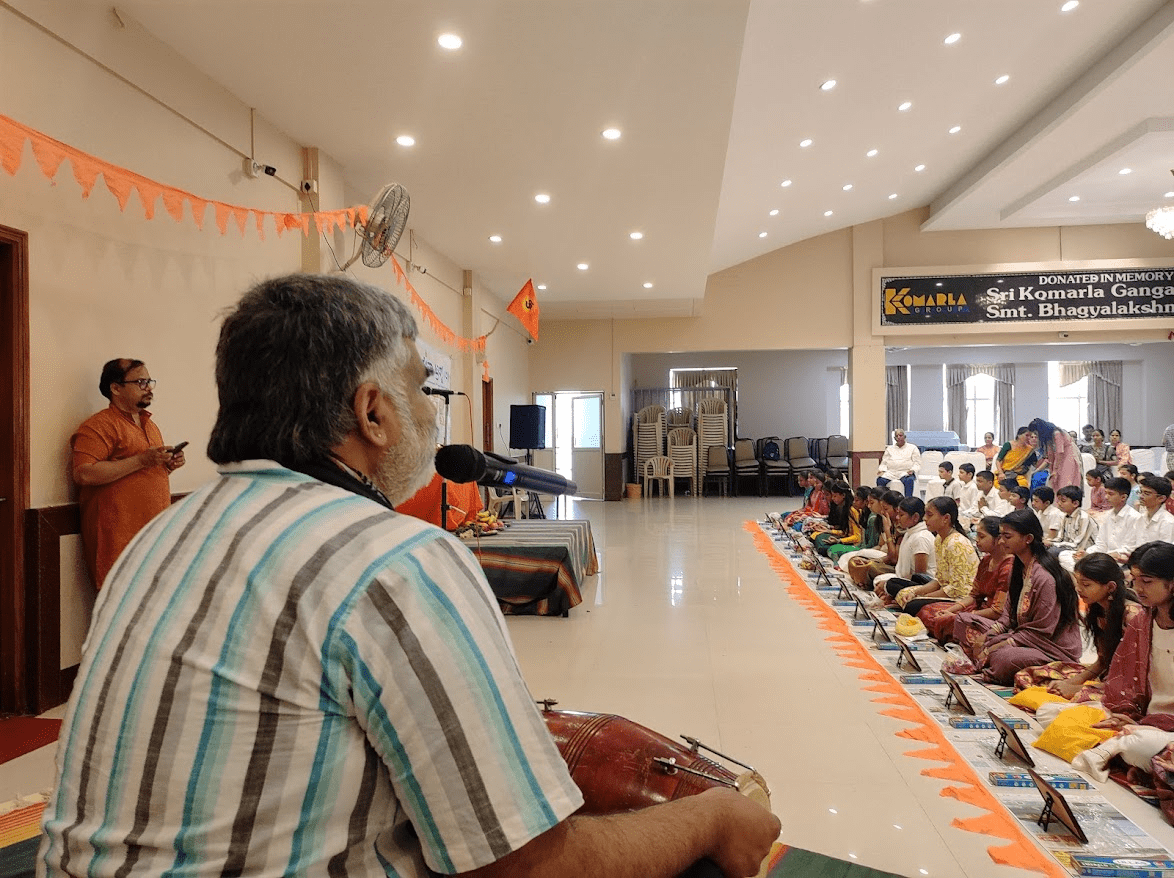
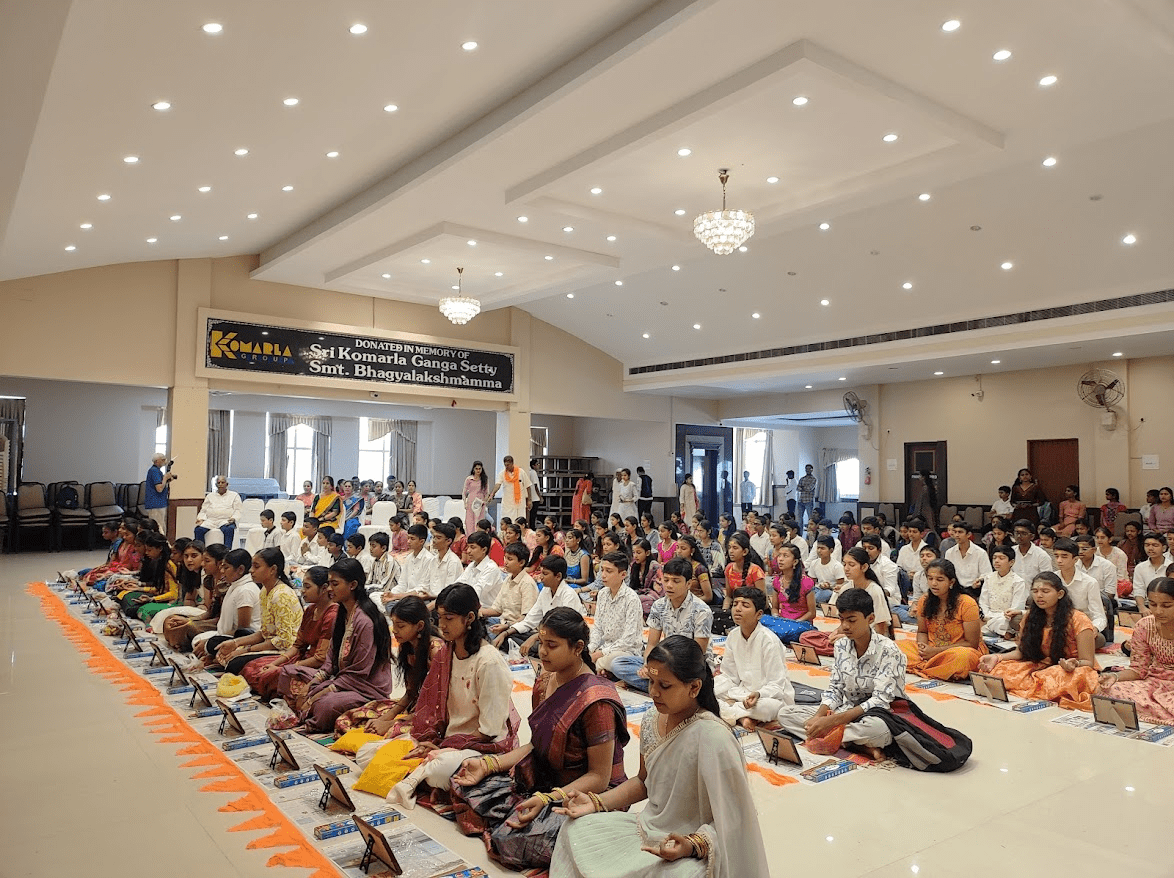
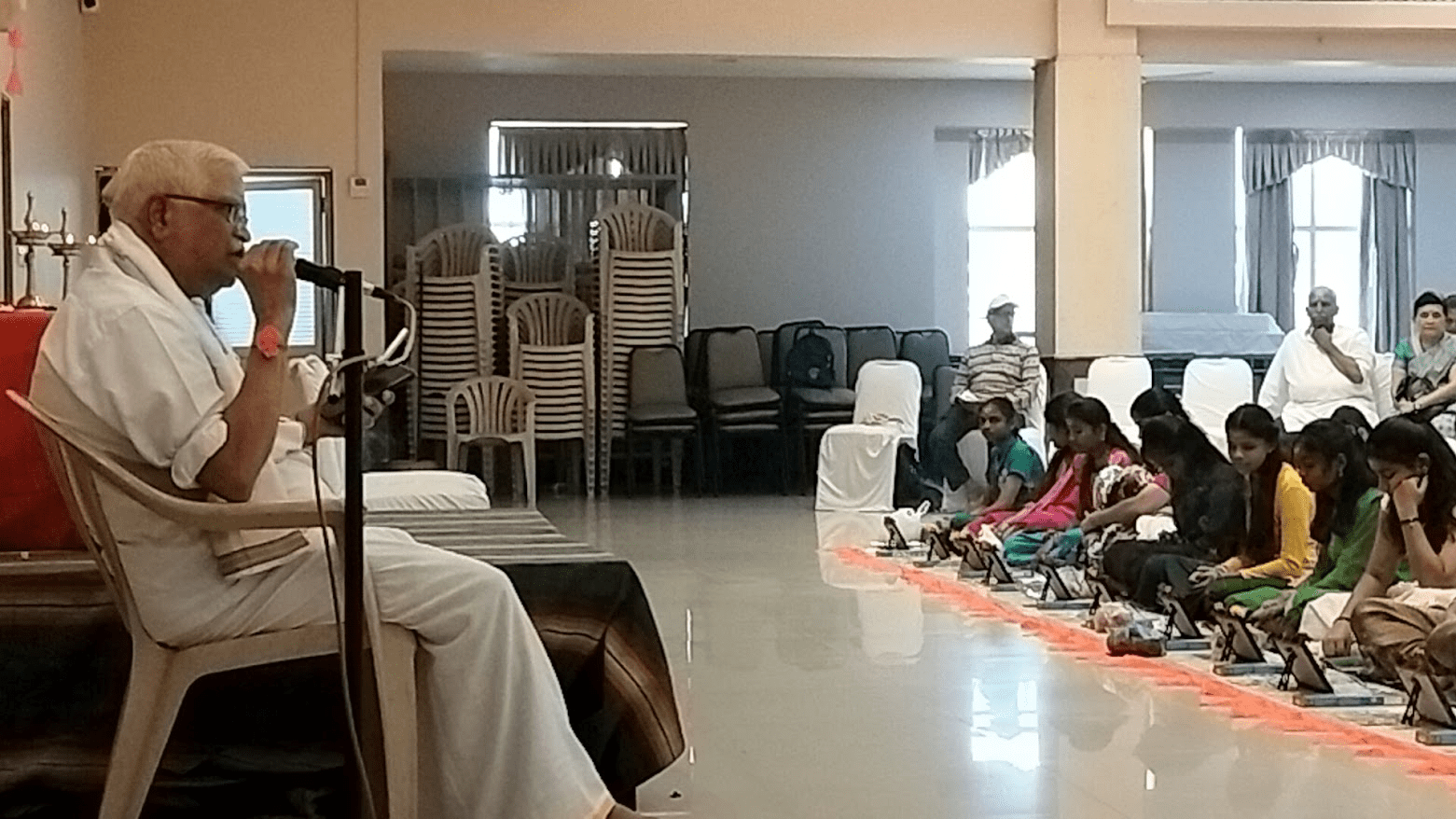
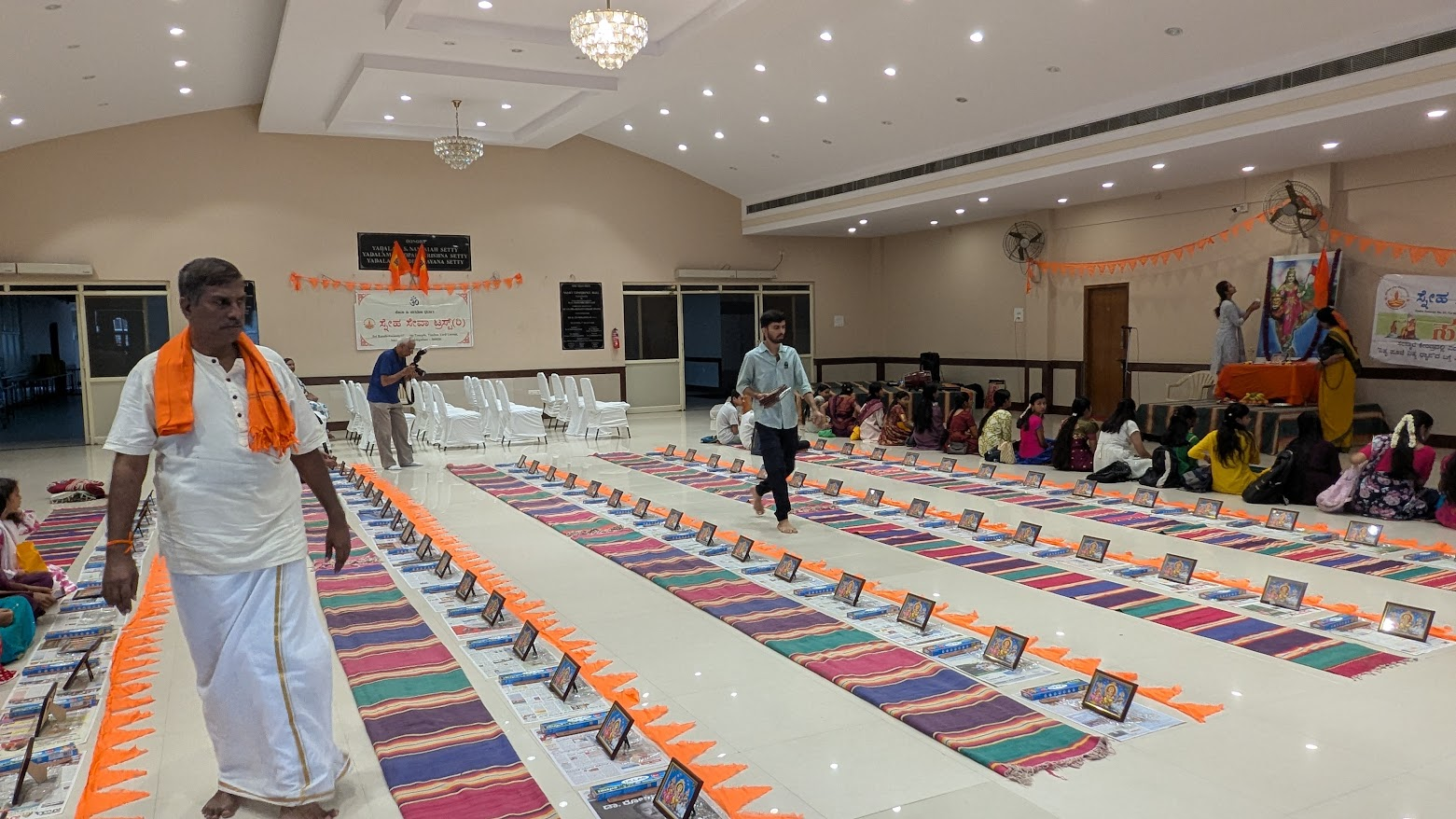
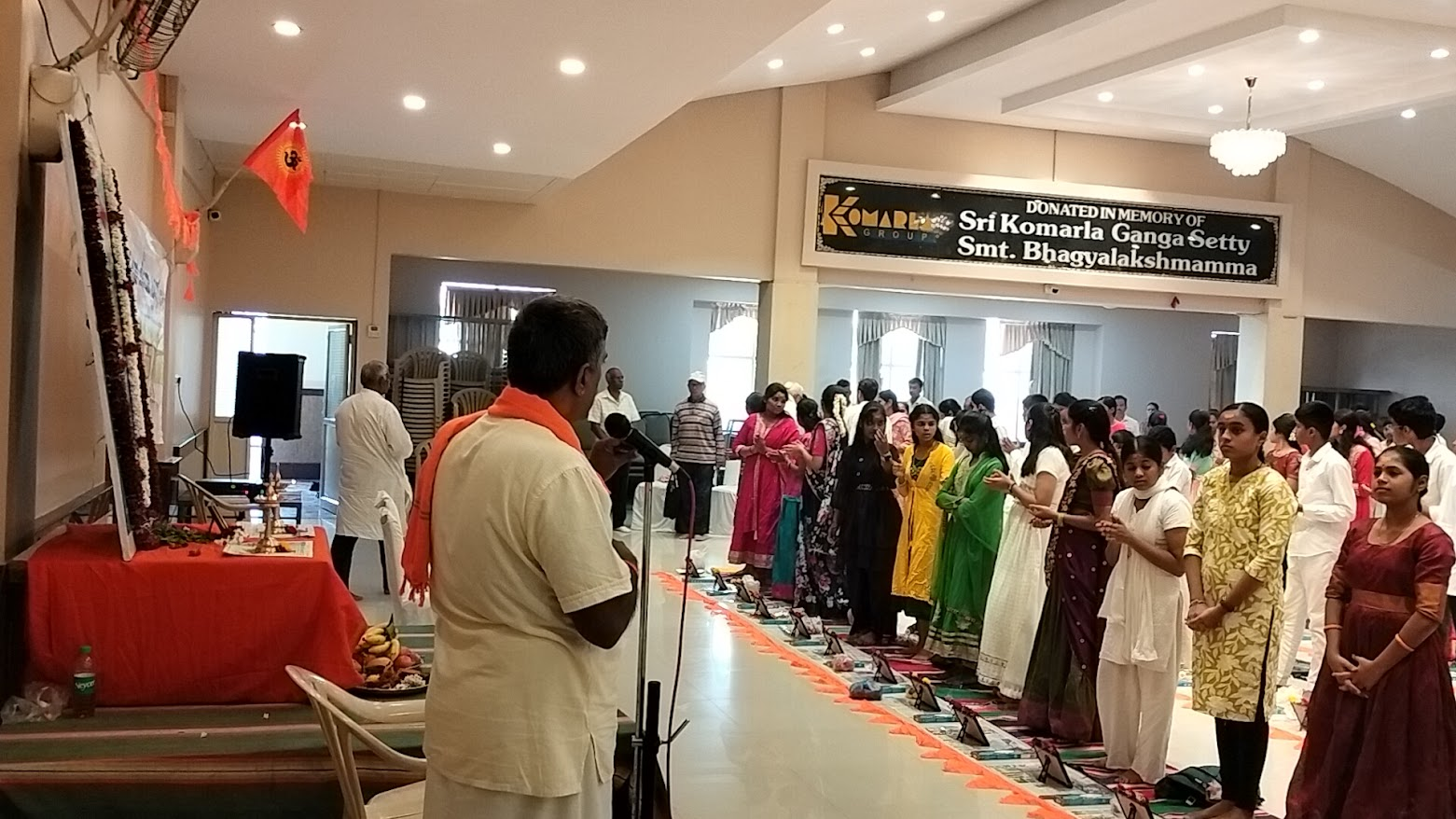
Art of Living Satsangs thrive on this very freedom, remaining non-prescriptive so that every seeker can find a rhythm that feels like home. There is no rigid template to follow, instead, these gatherings embrace spontaneity, allowing for a natural flow between meditative silence and high-energy celebration. This flexibility ensures that you are never stuck in one way of being. You have full permission to choose path that suits you today and change it tomorrow as your inner journey evolves. By avoiding a fixed format, these Satsangs stay fresh and alive, making spirituality a lived experience rather than a forced ritual.

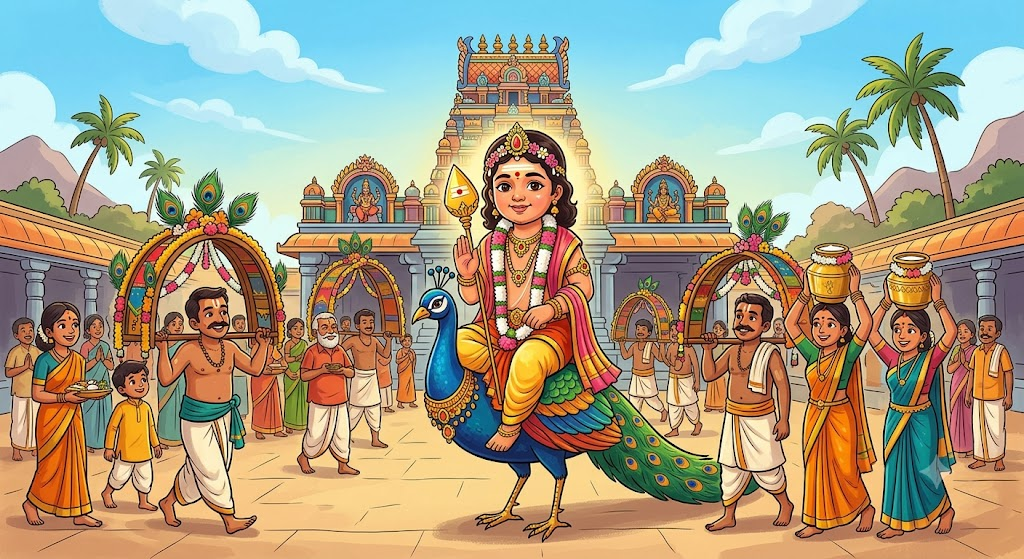
Satsang means being with truth, and truth is not always quiet. Sometimes it is a loud, joyful celebration. Those who prefer slow, meditative songs believe that the aim is to calm the restless mind. For them, music is a bridge to meditation where slow rhythms steady the breath and help focus on the silence between notes. On the other hand, fast medleys and high-energy singing belong to path of devotion. These fast tempos help release emotions and bypass logical mind. When people clap and move together, energy builds up until it turns into pure bliss. For many, sitting still is hard because mind is racing. High-energy Bhajans take that restless energy and channel it toward Divine until it naturally settles into a deep, unexhausted quiet.

If someone feels fast Bhajans are not good, they are most likely looking only at the quiet side of spirituality. But traditional Bhajans often begins slowly and ends in a fast, ecstatic peak. Just as a dancer becomes the dance, a fast song allows a singer to get lost in the sound until the singer becomes the song. Not everyone finds the divine in a cave,  many find it in the beat of a drum and collective voice of a crowd. Stillness and bliss are two sides of same coin. Stillness cools the mind while bliss lights up the heart. If a medley makes you feel joy or brings you closer to the divine, it has done its job.

That shift from peak excitement to deep silence is exactly how devotion is designed to work. It is a cycle of expanding and then absorbing. High-energy singing acts like a spiritual spinner. It moves so fast that daily worries and ego are thrown away. In that state, you are not thinking about God,  you are feeling the vibration. When a fast medley suddenly stops, the silence that follows is not just absence of sound. It is a charged, sweet stillness. Because your body was just at a high level of energy, sudden drop into rest makes peace feel tangible.

Our team’s experience has shown us that music is a powerful catalyst for this transformation. We ensure that we always have a mix of fast and slow Bhajans to cater to needs of most of our participants. We have also realized that a non-stop medley of Bhajans from slow tempo ones to fast ones (especially those dedicated to Bhagwan Krishna), automatically results in a dance of energetic bliss among the participants. While at the same time, stillness is a practice some work at. For many in our sessions, stillness is result of singing so fully that silence becomes inevitable. Neither way is superior, but high-energy path creates a collective wave that carries everyone along. Essentially, Bhajans provide the fire of bliss and silence provides the ash of stillness. One lights you up and other settles you down. Both are essential parts of same flame.

Catering to Young and Old Alike (Shanti or Ananda?)

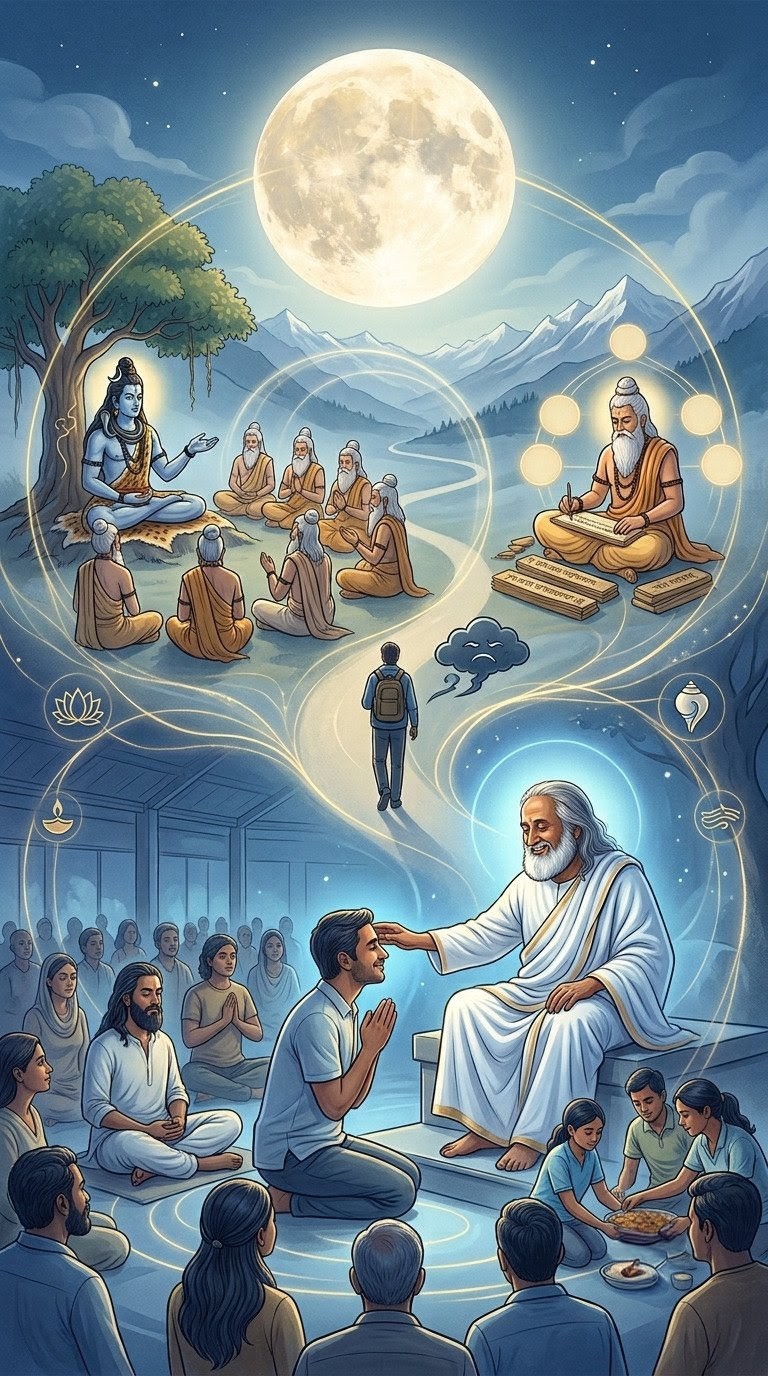
As I understand (I could be way off mark too) from various discourses of Pujya Gurudev Sri Sri Ravi Shankar, varying speeds of Bhajans are a deliberate tool for harmonizing our inner state. The fast, rhythmic chanting is designed to shatter mental inertia and release stagnant energy, using high-tempo celebration to pull a scattered mind back into the present moment with intense dynamism. This energetic phase awakens enthusiasm and creates a sense of collective unity that leaves no room for worry. In contrast, the slow and meditative melodies are intended to lead the consciousness into a state of profound rest, allowing the nervous system to settle and the mind to transition from activity to deep silence. By moving through these different rhythms, Satsang effectively balances the logical and emotional hemispheres of the brain, using sound as a bridge to reach the stillness of the self. Ultimately, Gurudev suggests that the outer music is simply a means to cultivate an inner silence that empowers us to be more effective and centered in our daily lives. Satsang balances logical left brain (through knowledge) and emotional right brain (through music)

Shankara Jayanti – Art of Pursuing Truth Together

श्रुति स्मृति पुराणानाम् आलयम करुणालयम्।
नमामि भगवत्पादम शंकरं लोक शंकरम्॥

shruti smriti puranam alayam karunalayam
namami Bhagavadpadam Shankaram Loka Shankaram
I bow to the blessed feet of Shankara, who is the abode of the Vedas (shruti), tradition (smriti), and Puranas, the abode of compassion, the benefactor of the world

Shankara Jayanti is a special day when we celebrate the birth of a truly remarkable teacher, Adi Shankara. He was born many centuries ago in a small village Kalady in Kerala on the Panchami Tithi (5th day) of Shukla Paksha (waxing phase of the moon) during the month of Vaishakha month (around April-May). Even as a young boy, he was incredibly wise, and he grew up to travel across the entire country of India, carrying a message that changed the way people think about life, God, and themselves. It would not be an exagerration to state that we the followers of Sanatana Dharma practice it with clarity only due to the relentless efforts of Jagadguru Sri Adi Shankaracharya, the incarnation of Lord Paramashiva. Twelve centuries ago, the great Acharya spread the Upanishadic import of Advaita touring all over the country.

To understand why he is so important, think of a time when people were confused about the many different paths and beliefs in our ancient traditions. Adi Shankara stepped in like a beacon of light. He did not just preach, he wrote brilliant explanations of our oldest scriptures, like the Bhagavad Gita and the Upanishads. He taught the idea of Advaita, which simply means that at the deepest level, we are all connected. He reminded us that the same divine spark that lives in the universe also lives within you, me, and every other person. He taught us that we don’t need to look far away for the truth, it is already inside us. Adi Shankara also wrote beautiful songs and prayers that are simple enough for anyone to chant and find peace in. He showed us that you can be both a great thinker and a person filled with pure love and devotion.

Adi Shankara did so much more than write books. He was a great builder of unity. With great foresight, Sri Adi Shankaracharya established four Amnaya Peethams in the four directions of India. He set up four main learning centres in the North, South, East, and West of India. These centres were like anchors, keeping the spirit of our culture strong and connected across such a huge country. The lives of the Acharyas and their efforts to continue the mission of Sri Adi Shankaracharya are remarkable and unique. By their own conduct and by their discourses, the Acharyas of the Peetham teach Dharma and instill the need for paying gratitude to Sri Adi Shankaracharya among the masses.

Four Amnaya Peethams in 4 corners of Modern India

On Shankara Jayanti, people honour his memory with a lot of love and respect. Devotees often wake up early to pray and read his teachings. In temples and at the learning centers he founded, there are special ceremonies where his image is honored with flowers and offerings. It is a day of reflection, where people spend time thinking about his words, chanting his famous verses, and trying to bring his message of kindness and inner peace into their daily lives.

Adi Shankara Jayanti Mahotsavam

His gift to the world is simple yet powerful: he taught us to look past the things that divide us, like labels or backgrounds, and instead recognize the oneness that binds all of humanity together. He gave us a path to live with clarity, courage, and a calm mind. When we celebrate Shankara Jayanti, we aren’t just remembering a figure from history, we are celebrating the timeless wisdom that helps us lead better, more meaningful lives today. He taught us that we are not small or limited, we are part of something much greater and more beautiful than we often realize.

One of the most famous stories from Adi Shankara’s life involves a meeting on the narrow streets of Varanasi. As Shankara was walking to the river Ganges, he encountered a man who appeared to be from a marginalized Chandala community (community who lives in graveyards for disposal of corpses) accompanied by four dogs. Following the social customs of the time, Shankara’s disciples asked the man to move aside. However, the man turned and asked a profound question: Whom are you asking to move? This body, which is made of the same earth as yours, or the soul, which is the same in all of us? Shankara immediately realized that this was no ordinary man, but the Divine itself teaching him a lesson. He prostrated before the man, acknowledging that someone who sees the unity of all beings is the true Guru. For mankind, this event is a powerful reminder that spiritual knowledge is hollow if it does not lead to social equality and the recognition of the same divinity in every human being, regardless of their status.

Humble Shankaracharya bows to the Chandala after realizing the non-dual truth that the same divinity resides in every being, high or low.

Another moving anecdote occurred at the very beginning of his journey. Before leaving home to become a monk, Shankara promised his mother, Aryamba, that he would return to perform her final rites. Years later, sensing her end was near, he travelled back to her bedside. Despite being a Sanyasi, who traditionally cuts ties with family and does not perform funeral rituals, Shankara defied convention to fulfil his promise to the woman who gave him life. He composed the Matru Panchakam, a beautiful tribute to a mother’s love, and performed her cremation himself. This act teaches us that even the highest spiritual path does not excuse a person from the duty of gratitude and compassion. It shows that true wisdom is not cold or detached but deeply rooted in the heart.

Son’s Eternal Love, a symbol of compassion and duty

There is also the well-known story of the Kanakadhara Stotram. While begging for alms as a young student, Shankara visited the home of an incredibly poor woman. She had nothing to give him except a single, wrinkled amla fruit, which she offered with immense sincerity and tears in her eyes. Moved by her selflessness despite her own hunger, Shankara prayed to Goddess Lakshmi. Legend says a shower of golden amlas fell upon her house. While the miracle is beautiful, the deeper lesson for humanity is about the power of intention. It teaches us that the smallest gift given with a pure heart is more valuable than the greatest treasure given with pride. It highlights that the universe responds not to the size of our wealth, but to the depth of our kindness.

Shower of Gold, manifesting a shower of golden gooseberries on a devoted woman

One of the most famous and inspiring stories in Adi Shankara’s life is his debate with a great scholar named Mandana Mishra. This wasn’t just a simple argument; it was a legendary meeting of two of the greatest minds of that time. Mandana Mishra believed that the most important part of life was performing rituals and duties, while Shankara believed that the path to true freedom was through knowledge and realizing our connection to the Divine.

They agreed to a debate that lasted for many days. To make sure the debate was fair, they chose an incredible judge: Mandana Mishra’s own wife, Ubhaya Bharati, who was known for her immense wisdom. She placed a garland of fresh flowers around the neck of both men and said, The person whose flowers wither and fade first will be the one who has lost the argument, because it shows their mind became tense and agitated.

Grand Debate respectful dialogue as the path to unity overseen by Ubhaya Bharati

For over two weeks, they discussed deep questions about life and the universe. Throughout the debate, Shankara remained calm, peaceful, and clear. In the end, Mandana Mishra’s flowers began to fade, showing that he had been defeated by Shankara’s logic and inner peace. True to his word, Mandana Mishra became a disciple of Shankara, later becoming one of the most important leaders of his mission.

The significance of this event for us today is very beautiful. First, it shows us the power of peaceful dialogue. Shankara didn’t use force or anger to change someone’s mind, he used reason and kindness. It reminds us that we can disagree with others and still treat them with total respect.

Second, the role of Ubhaya Bharati as the judge is a powerful message about the importance of women’s wisdom. Even in those ancient times, it was recognized that a woman’s intellect and fairness were supreme. Finally, it teaches us that growth comes from being open-minded. Mandana Mishra was a famous scholar, yet he was humble enough to change his path when he realized there was a deeper truth. It tells us that no matter how much we know, we should always be ready to learn and evolve.

Finally, the way Adi Shankara approached debates throughout India offers a lesson in intellectual grace. He would travel to meet the greatest scholars of other schools of thought, not to insult them, but to engage in Shastrartha, or logical discussion. He won over his opponents through the sheer strength of reason and clarity. This approach established a culture of Vada, the pursuit of truth through dialogue rather than through force or ego. For the world today, this is a vital lesson in how to handle disagreements. Shankara showed that we can respect those we disagree with while still standing firm in our truth, proving that ideas should be shared through peace and intellectual honesty.

Healthy Intellectual Debate, not bull-dozing or insulting

Beyond Damage Control: Why Language & Timing Matter

When an organization hits PR disaster, such as recent TCS Nashik controversy or Lenskart grooming guideline issue, success depends entirely on language and timing. In Indian context, brand is not just business but part of social fabric, meaning any lapse in communication is felt as personal affront to consumer identity. To strengthen response, one must look deeper into psychological and legal layers of communication where language acts as brand’s character and timing serves as its pulse.

Precise language acts as primary shield during crisis. When TCS faced allegations of harassment, public demanded specific truth rather than vague corporate jargon. Using phrases like zero tolerance, internal procedural gaps fails, because it ignores human element of victim’s experience and feels like hollow corporate talk. Language must be culturally fluent and respectful. Labeling religious symbols like Tilak or Bindi as grooming violations is linguistic disaster that ignores deep-rooted sanctity of Indian traditions. Response should move away from Western neutral templates which feel cold and disconnected, instead using words that show genuine respect for local values. Direct ownership is always better than passive voice. While Lenskart’s leadership apology aimed to humanize brand, calling document outdated can seem like convenient excuse if public feels it is merely damage control.

Timing is brand’s pulse, and in digital age, Golden Hour has shrunk to Golden Minutes. If organization remains silent, public fills information vacuum with anger and local activists define narrative. Once labels like Anti-Hindu or Discriminatory stick, even factual corrections later feel like lies. While Lenskart responded within twenty-four hours to prevent long-term boycott, true mastery lies in acknowledging issue while it is still trending. Early response signals company is not hiding. In TCS case, delay between reported events and public acknowledgment created narrative of negligence that is hard to erase. When criminal investigations are involved, corporate PR often slows down, but this silence allows hostility to grow unchecked.

Effective clarification follows simple structure of acknowledging pain before jumping to facts. Company must explain how lapse happened—perhaps training manual error—without using it as shield to deflect blame. Beyond initial statement, organizations must leverage social proof and third-party validation to rebuild trust. Mentioning independent probes, SIT investigations, or external audits adds significant weight. When company says we are investigating, it sounds like self-protection, but stating that external agency is auditing manuals signals true accountability. Internal alignment is equally vital because employees are biggest brand ambassadors. If internal culture contradicts public apology, leaks will occur and further damage credibility. PR must always align with actual HR policy changes to maintain integrity.

Organizations must move from damage control to cultural audit by involving diverse committees during policy drafting to prevent controversial labels from ever being triggered. High-empathy, low-ego communication ensures that when mistake happens, public sees it as human error rather than institutional bias. Clarification must never turn into justification. Saying we did this because of global standards only increases anger, while admitting we made error in adopting global template without local context creates path to forgiveness. In Lenskart case, citing outdated documents is risky if document was live on server; better approach is acknowledging oversight in review process to maintain sincerity and rebuild broken bond with Indian consumer.