मङ्गलम् भगवान विष्णुः, मङ्गलम् गरुणध्वजः।
मङ्गलम् पुण्डरी काक्षः, मङ्गलाय तनो हरिः
Apara Ekadashi falls during Krishna Paksha (dark fortnight) of Jyeshtha month (May-June) according to Amanta calendar or Vaisakha month according to Purnimanta calendar. It is highly auspicious day observed by devotees of Bhagawan Vishnu across world. Worshiping Lord Trivikrama form of Bhagawan Vishnu on this sacred day bestows boundless merits, removes heavy sins, and grants immense fame, wealth, and spiritual growth.
Meaning and Significance of Apara Ekadashi
Understanding name itself reveals divine power of this day. In Sanskrit, Apara means unlimited, endless, or boundless. Therefore, Apara Ekadashi translates to 11th day that bestows infinite spiritual merit and merit beyond measure upon devotee.
Every human being inadvertently accumulates negative karma through false speech, criticism, deceit, or selfish actions. Observing fast on Apara Ekadashi with pure intention cleanses soul from even most severe past sins, including bearing false witness, greed, or disrespecting spiritual teachers. Scriptures state that spiritual benefit gained by observing this fast equals taking sacred bath in river Ganga during Kumbha Mela or performing charity at holy places like Kedarnath and Badrinath.
Legend associated with Apara Ekadashi
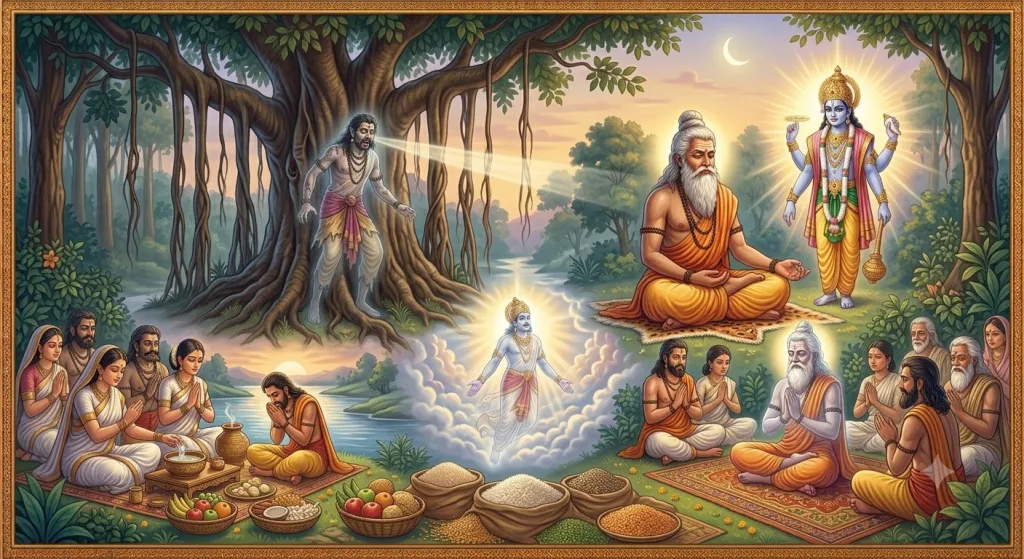
Scriptures describe sacred story narrated by Bhagawan Krishna to King Yudhishthira, involving virtuous ruler named King Mahidhwaja. King Mahidhwaja was noble, pious, and generous ruler who cared deeply for his subjects. However, his younger brother Vajradhwaja was extremely jealous, cruel, and wicked in nature.
Vajradhwaja could not bear popularity and righteousness of his elder brother. In fit of envy, Vajradhwaja murdered King Mahidhwaja quietly in middle of night and buried his body under banyan tree in deep forest. Due to unnatural death and unresolved pain, spirit of King Mahidhwaja became restless Pret (ghost) and started living around that banyan tree, causing trouble to travelers passing through forest.
One day, great sage Dhaumya passed near banyan tree and saw restless spirit of king through his yogic vision. Sage felt deep compassion for suffering soul and used his divine powers to understand cause behind king tragic fate. Sage Dhaumya approached spirit, offered solace, and decided to rescue him from miserable existence.
To liberate king soul, Sage Dhaumya observed Apara Ekadashi fast himself with complete rituals and strict devotion. Sage then offered entire spiritual merit (Punya) gained from fast to spirit of King Mahidhwaja. By divine influence of this noble act, ghost body vanished immediately. King Mahidhwaja achieved beautiful celestial body, expressed gratitude to sage, and ascended to Vaikuntha aboard divine chariot.
Rituals to be performed on Apara Ekadashi
Devotee must wake up early in morning during Brahma Muhurta and take ritual bath in clean water.
Puja area should be cleaned thoroughly and idol or photo of Bhagawan Vishnu, specifically Trivikrama form, should be placed respectfully.
Light ghee lamp, offer fresh yellow flowers, sandalwood paste, incense, and Tulsi leaves to Bhagwan Vishnu.
Chant Vishnu Sahasranama, Hare Krishna Mahamantra, or Om Namo Bhagavate Vasudevaya continuously throughout day.
Listen to or read Apara Ekadashi Katha with family members in peaceful mind.
Observe fast during entire day according to individual health capacity. Healthy individuals can observe strict fast without water or taking only water. Milk, curd, and fruits can be consumed if complete fasting is difficult due to health reasons. Rice, wheat, barley, lentils, pulses, and all food grains must be avoided strictly. Heavy spices, regular salt, garlic, onion, tea, coffee, outside processed food, and alcohol must be strictly avoided.
Perform evening Aarti with devotion and maintain noble thoughts, avoiding anger, backbiting, falsehood, or harsh speech.
Break fast next day on Dwadashi tithi during scheduled Parana time. Fast should be broken after sunrise once Hari Vasara period concludes. Offer naivedya to Bhagwan Vishnu, perform short prayer, and break fast by consuming prasada, water, or fruits before eating regular food.