
After returning to Bengaluru from our blissful pilgrimage to Keralam during Navaratri decided to pen this experiential article with whatever information I gathered from sources in each place into a Maxi Length Article. Hope you enjoy the virtual mental journey reading through, as much as we enjoyed doing it in person over 4 days.
Genesis of the Pilgrimage
When our families sat down to plan a getaway for Navaratri, we deliberately bypassed usual commercial holiday destinations, hoping that embarking on a deep spiritual pilgrimage across Keralam would offer a serene, less crowded escape. We were pleasantly surprised to find every single temple buzzing with heavy, enthusiastic crowds of devotees celebrating the sacred nine nights. Heavy traffic congestions and massive vehicle pileups en route tested our patience from the very start, beginning with a colossal gridlock on National Highway 844 that choked movement right up to its merger with National Highway 44, continuing unbroken all the way to Salem. Later, as we approached Coimbatore, another monumental traffic jam crippled the Coimbatore-Palakkad bypass road; thankfully (Google Maps), quick thinking and a timely detour recommended by navigation tools helped us bypass the worst of it. We hit further crawling traffic bottlenecks navigating through Palakkad and creeping near Thrissur. Yet, not once did these grueling road delays dampen our collective spirits. Instead, every single hurdle added a touch of adventure to our expedition, and we enjoyed every bit of it thoroughly, finding joy in shared laughter inside packed cars and soaking in the vibrant festive atmosphere of Keralam.
Our Collective Experience
Navaratri transformed sacred landscape of Keralam into living curtain of lights, melodies, and profound devotion. Traveling across these twelve ancient shrines during sacred nine nights brought us rare spiritual immersion. Air fills with fragrance of burning camphor, jasmine garlands, and resonant chanting of Devi Mahatmyam echoing from traditional temple koothambalams. Every temple courtyard hums with vibrant energy, drawing devotees seeking maternal grace of divine mother during most auspicious period of Hindu calendar.
Sacred Day of Books Pooja: Honoring Goddess Saraswati
Experience reaches its absolute zenith on Mahanavami and Vijayadashami days, when temples across Keralam dedicate themselves entirely to worship of Sri Saraswati, embodiment of supreme knowledge and arts. Witnessing this tradition at shrines like Kadampuzha Bhagavathi Temple, Kodungallur Bhagavathi Temple, Paravur Mookambika Temple and Chottanikkara Bhagavathi Temple offers breathtaking glimpse into living heritage of ancient vidya traditions.
Setting Up Sanctuary of Learning
On evening of Mahanavami, families, students, and scholars gather inside temple halls to arrange books, musical instruments, and professional tools before radiant altars of Devi. Sacred texts, notebooks, manuscripts, and classical instruments are stacked neatly upon wooden planks covered in pristine white silk cloth. Priests light rows of brass oil lamps, casting warm, golden glow across rows of books while chanting sacred hymns invoking goddess of speech. This ritual symbolizes conscious surrender of human intellect to supreme cosmic consciousness, acknowledging that true knowledge flows from divine grace.
Atmosphere of Reverence
Entire temple complex falls into hushed, reverent stillness as devotees meditate before piled books. No studying or reading is permitted on this holy evening, allowing books to rest in divine presence. Air resonates with gentle tinkling of temple bells and soft recitation of Saraswati Stotram by elders teaching young children. Atmosphere feels charged with quiet intellectual power, bridging physical realm of learning with eternal realm of spiritual wisdom.
Vijayadashami Morning and Vidyarambham
As dawn breaks on Vijayadashami, sanctums awaken with joyous anticipation. Books are retrieved from altars, infused with renewed clarity and divine blessings for upcoming year of study. Alongside this ritual, thousands of toddlers participate in sacred Vidyarambham ceremony, guided by temple priests or scholars to write their first letters, Hari Sri Ganapataye Namah, in heaps of raw white rice using golden rings. Witnessing innocent eyes light up as tiny fingers trace sacred letters marks profound generational continuity of knowledge, completing transformative Navaratri pilgrimage across sacred shrines of Keralam.
Refreshing Seaside Interlude at Cherai Beach


Amidst our intense temple run, we carved out a wonderful two-day base (though a lot of pilgrimages were from here) at picturesque Cherai Beach on Day Two and Day Three, providing a delightful coastal breather for everyone, especially our beloved grandson Anay. While Anay thoroughly enjoyed visiting every temple with childlike curiosity and reverence, spending golden hours splashing in the gentle azure waves, building sandcastles, and chasing receding tides gave him an absolute whale of a time. This breezy seaside interlude offered a perfect counterbalance to our spiritual itinerary, keeping the little one excited and refreshed for the temple visits that followed.
Celebration of Classical Arts and Midnight Musical Vibe
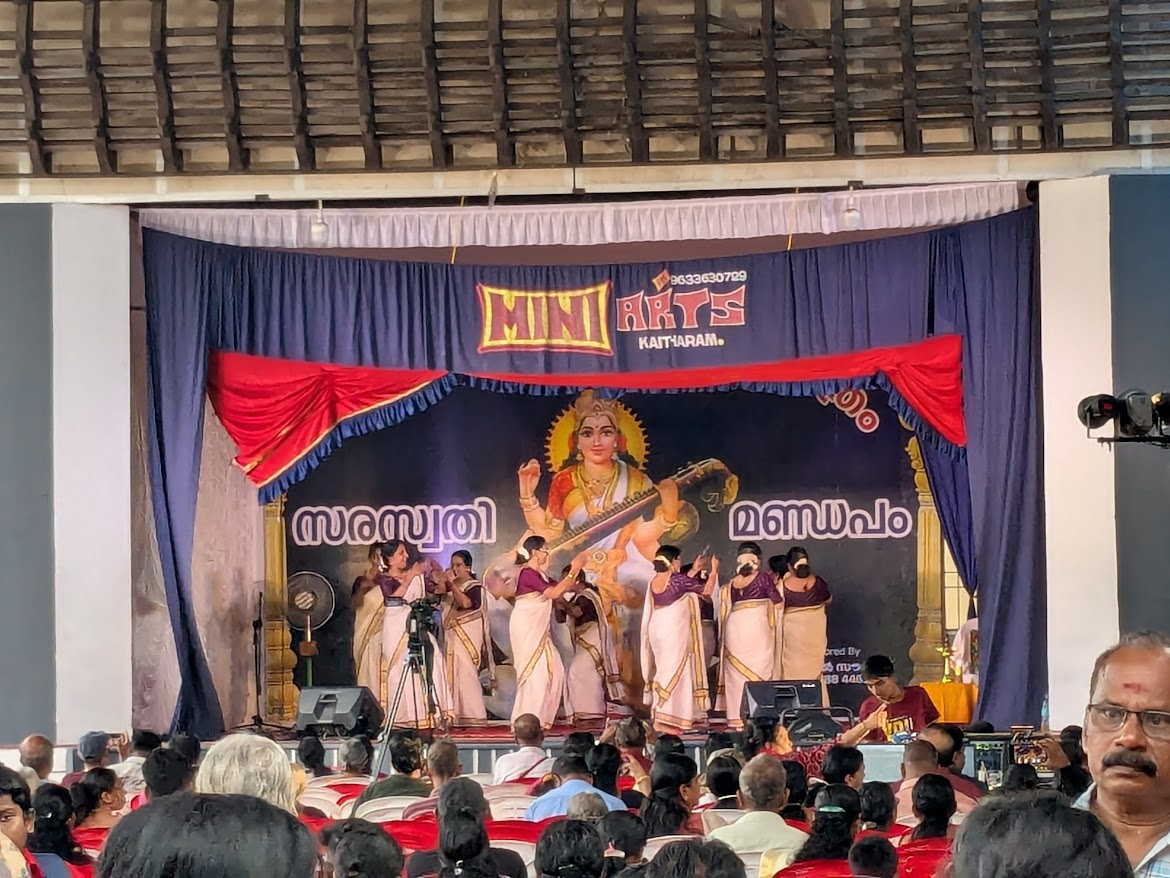
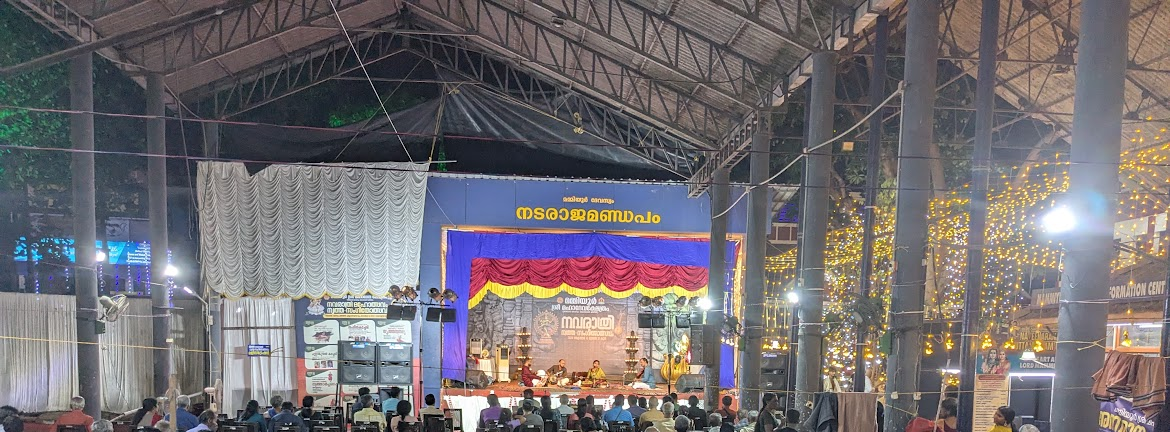
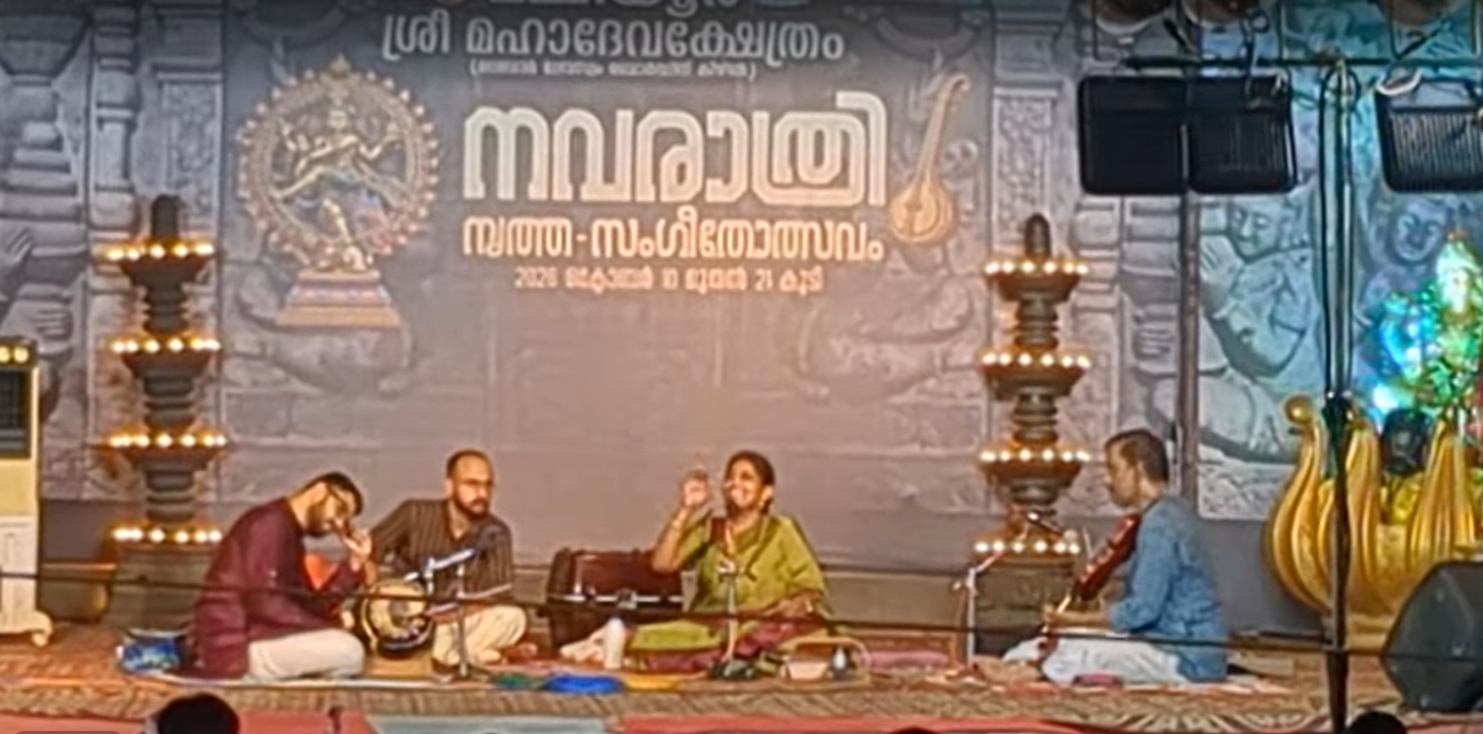
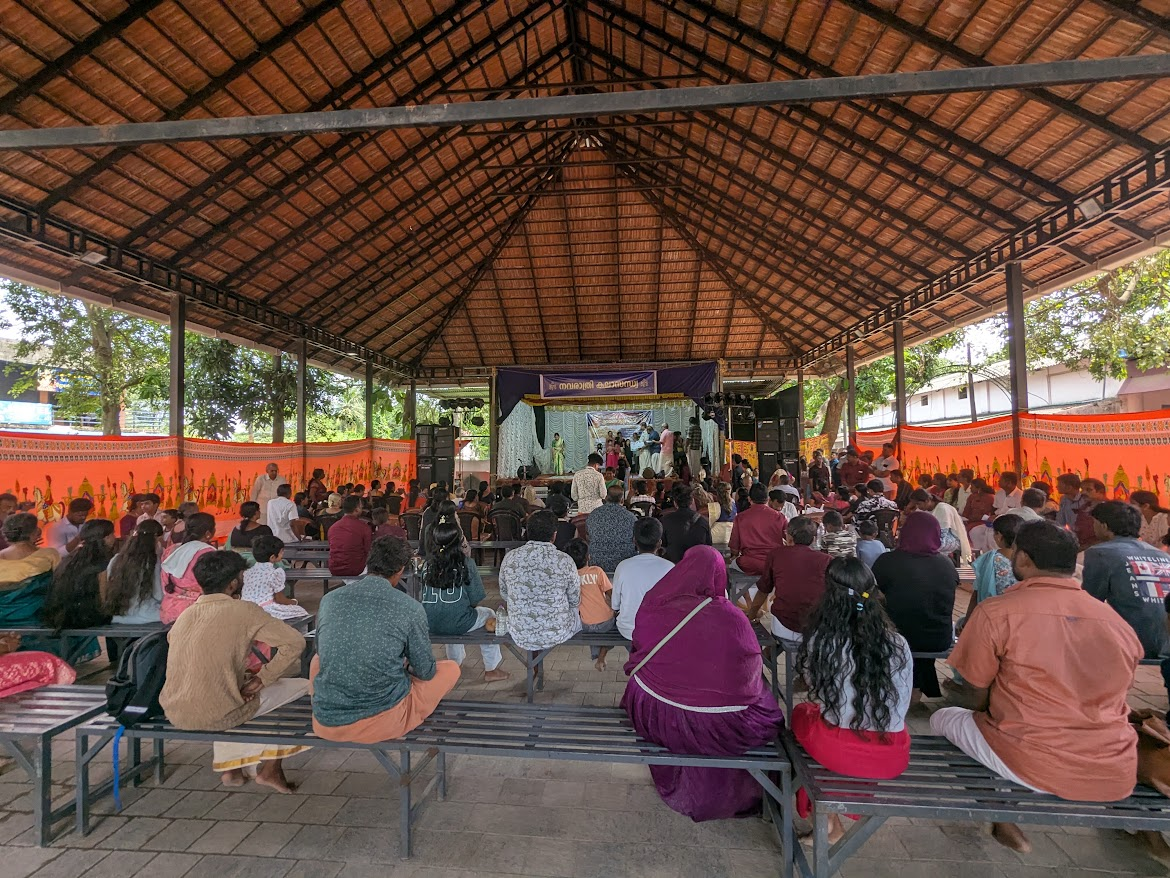
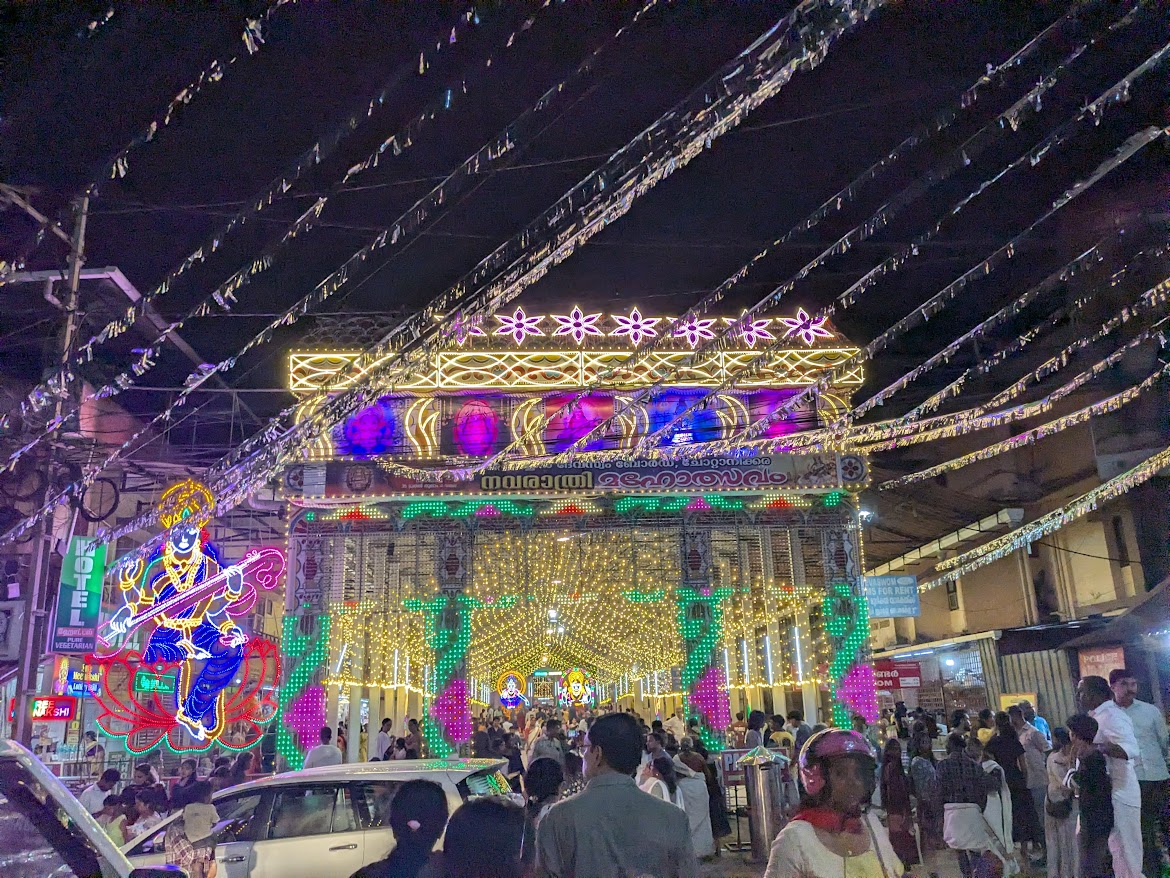
Throughout nine nights of Navaratri festival (we were told this since we were traveling here only on the last 4 days), every single temple transformed into vibrant cultural stage showcasing mesmerizing display of traditional bhajans, soulful classical carnatic vocals, and exquisite classical dance forms like Kaikotti Kali, Bharatanatyam, Krishnanattam and Mohiniyattam performed inside illuminated koothambalams and temple courtyards. As dusk settled, ancient lamp-lit corridors echoed with rich cadence of mridangam, rhythmic footwork, and soaring devotional melodies sung in praise of Devi, drawing packed crowds of spellbound devotees. These magnificent cultural offerings and grand ritual performances continued well past midnight, dissolving boundaries between earth and heaven under starry & raining Kerala skies.
Here we go with our Temple Circuit with details
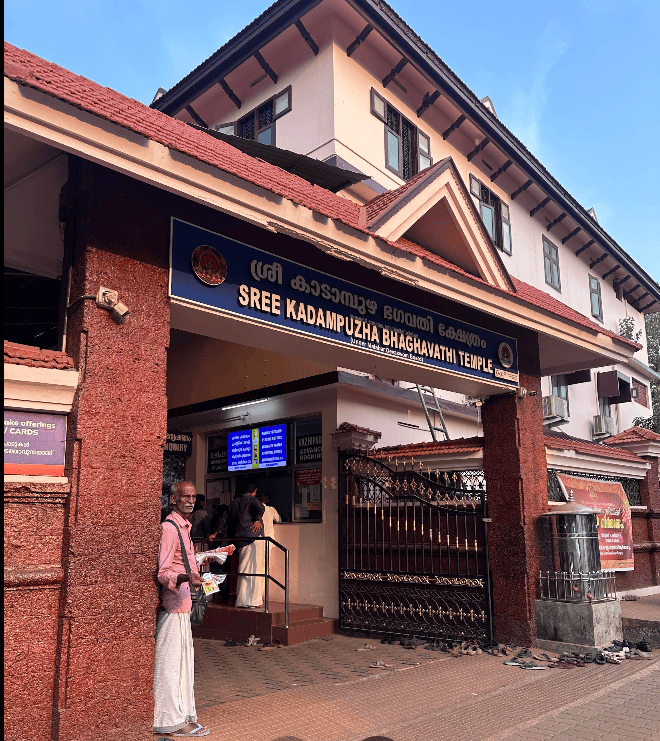
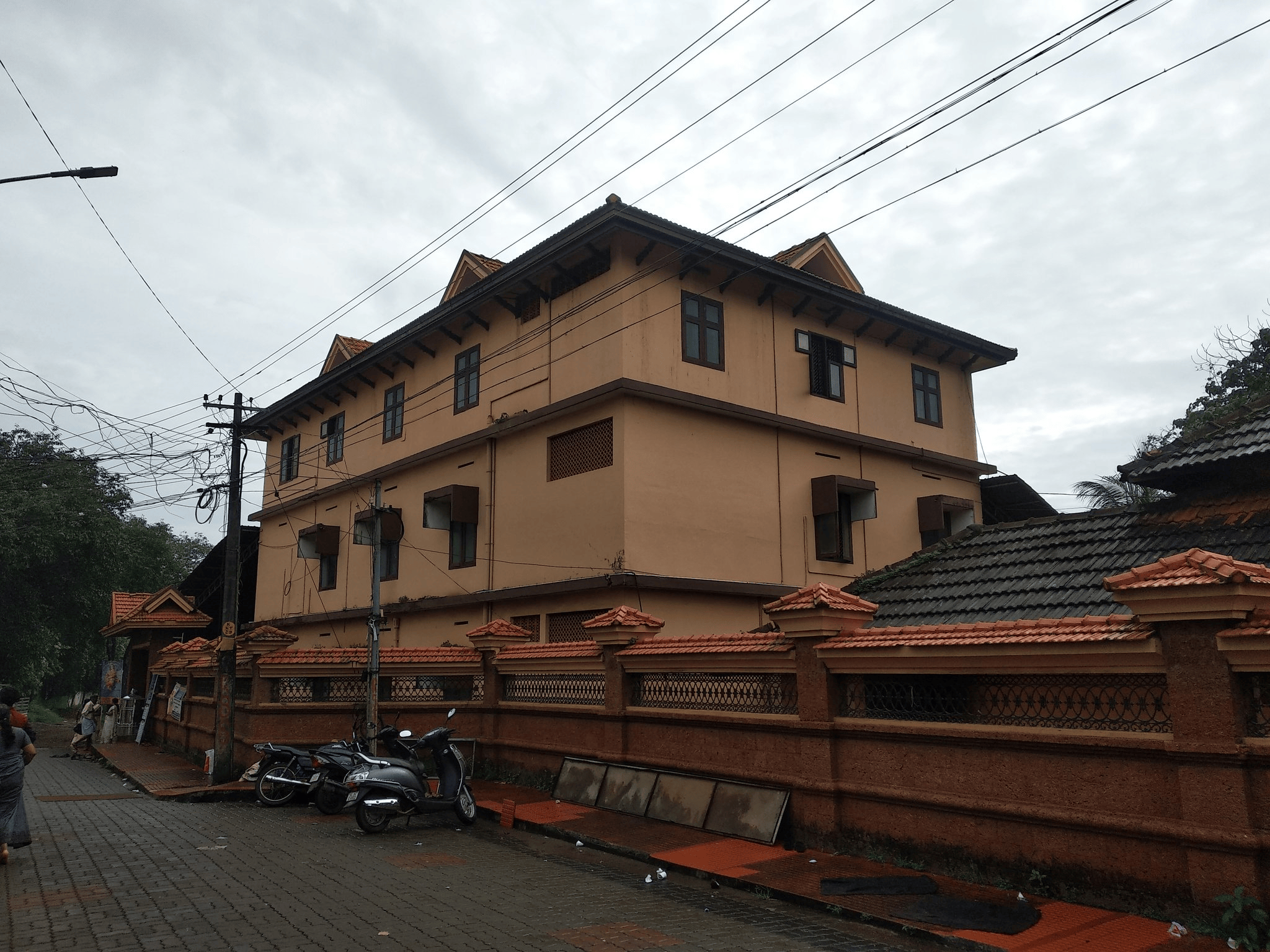
Kadampuzha Bhagavathi Temple
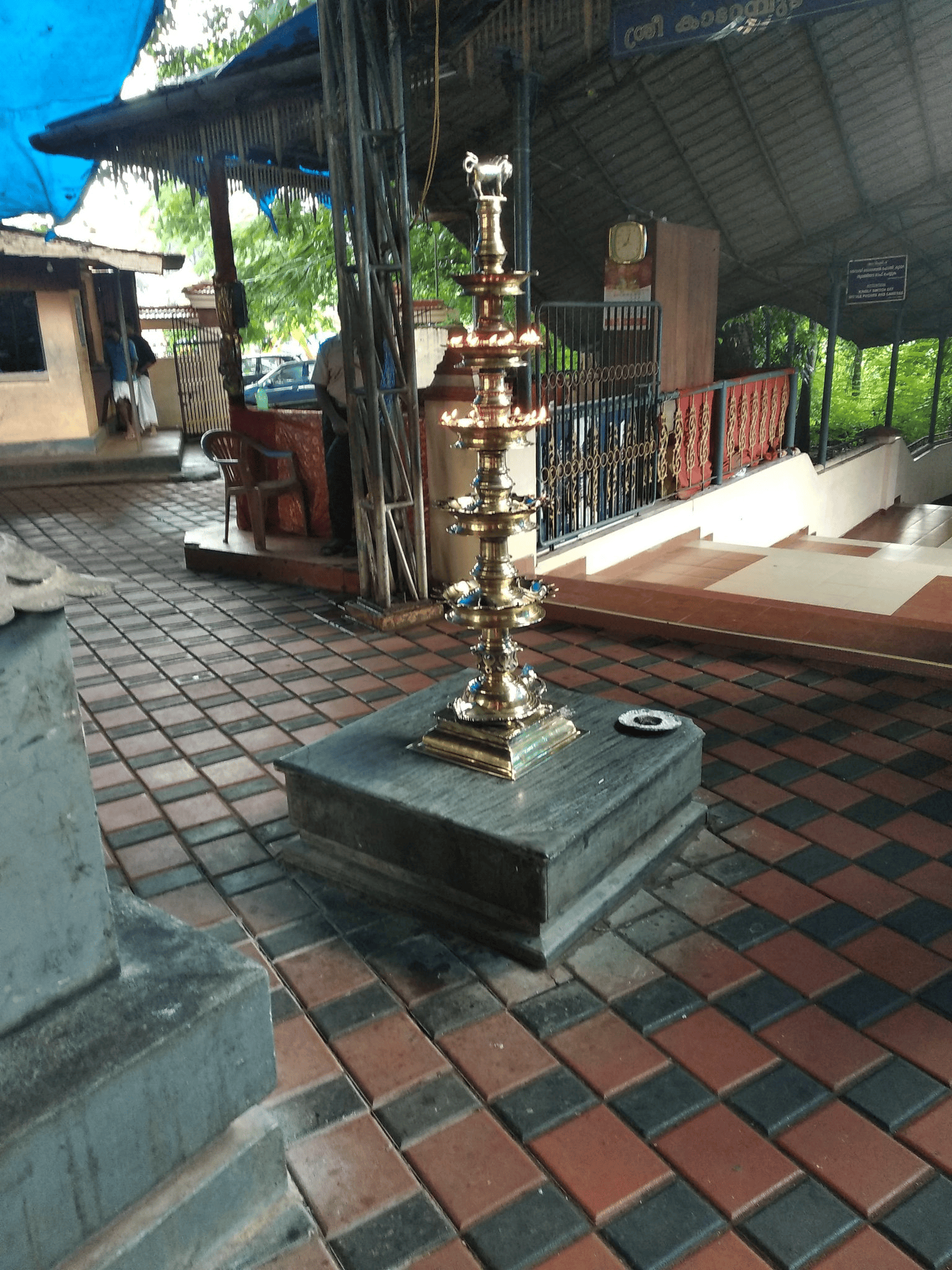
Presiding Deity
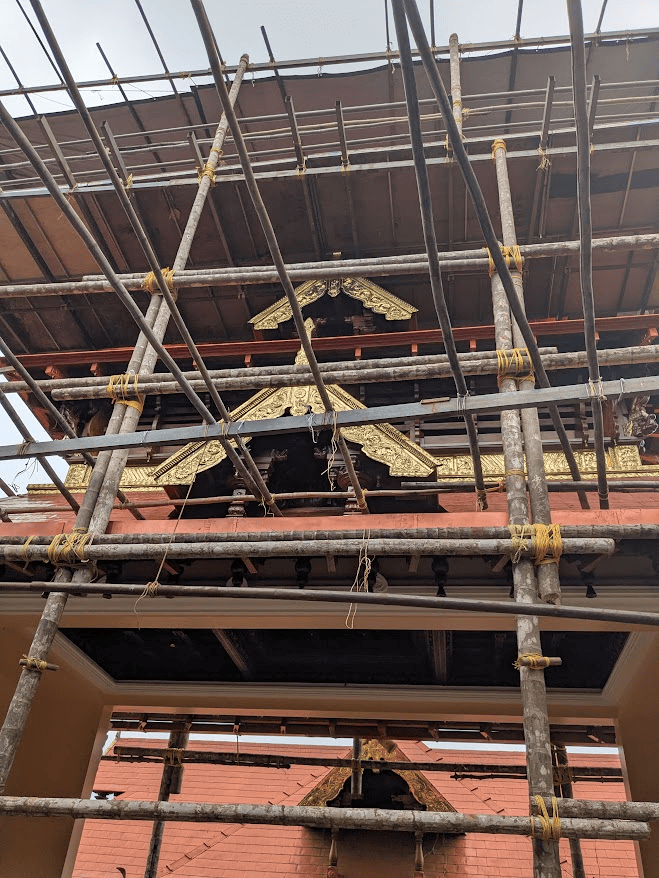
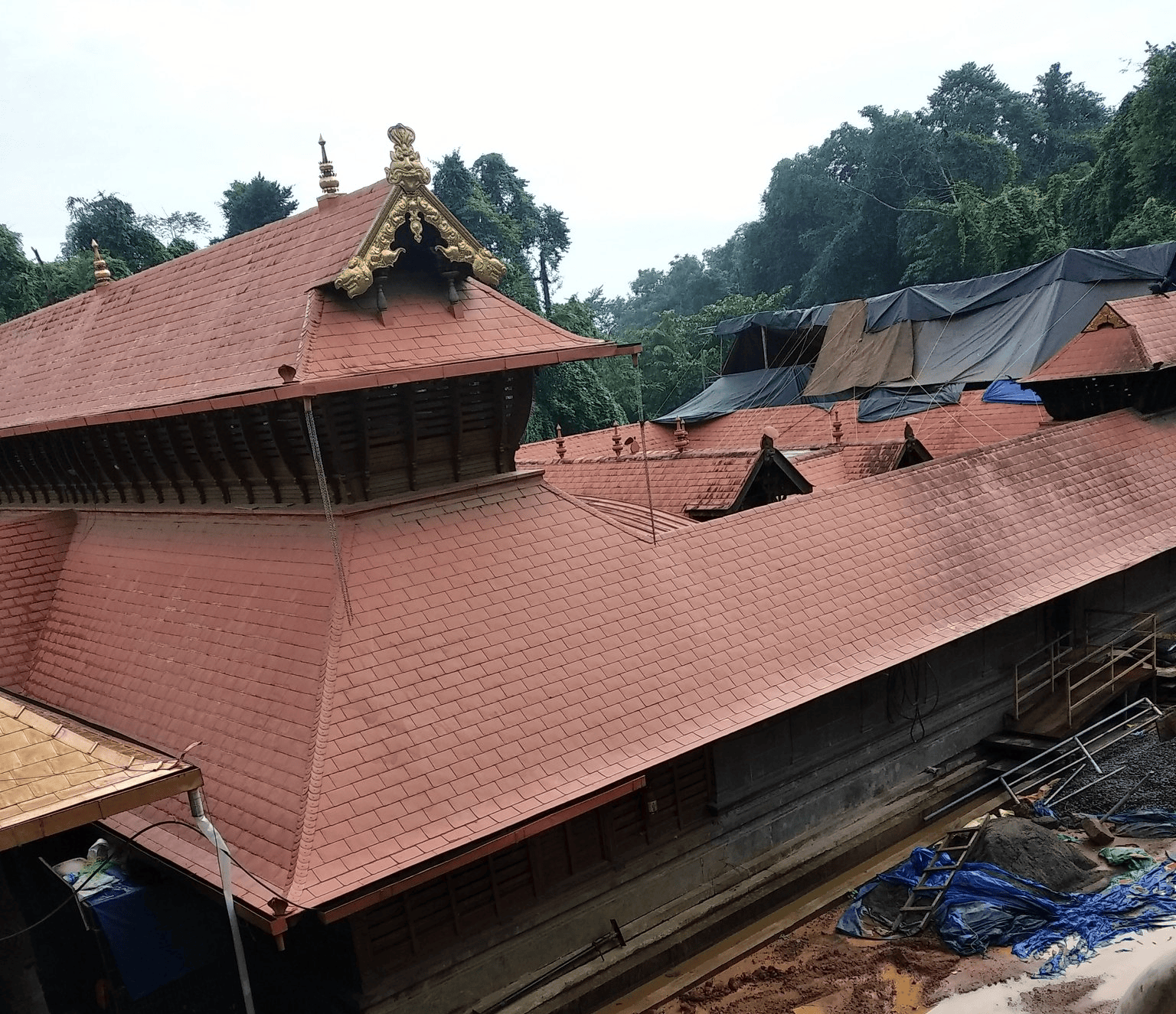
Presiding deity at Kadampuzha is Sri Parvathi worshipped in fierce Kirata form. Unlike conventional Kerala temples featuring carved stone or metal idols, sanctum houses no traditional murti. Divine presence is worshipped directly at small natural depression or pit in earth. Worshippers believe this hollow contains immense latent shakti capable of destroying all obstacles. For us, it has been like a temple in perpetual construction. Goddess here is worshipped in three forms viz., Vidya Durga (Saraswathi) in the morning, Vanadurga in twaritha form (Durga) at noon and Aadi Durga (Mooladurga Lakshmi) in the evening. As Durga, she blesses the devotees with health, early marriage and domestic harmony, Saraswathi is invoked for education and career. Lakshmi is of course Goddess of wealth and prosperity.
For the past 6-7 years we have been seeing some activity or the other denying us a full Darshan of Her Abode.
Upadevalayas
Temple complex maintains separate sacred spaces for subsidiary deities including Sastha, Nagas, and Kirata Shiva located nearby. Each upadevalaya receives regular daily poojas conducted by designated temple priests to ensure complete harmony within sacred grove.
Legend & Sthalapurana
According to ancient epic narratives embedded in Mahabharata, spiritual geography of Kadampuzha links directly to fierce penance undertaken by Pandava prince Arjuna upon Indrakeeladri hills. Desiring divine weapons to vanquish Kauravas, Arjuna engaged in intense asceticism, fasting on leaves and water while meditating upon Mahadeva. Duryodhana, learning of this endeavor, dispatched wicked asura named Mookasura in wild boar form to assassinate meditating prince. Sensing mortal danger, Shiva transformed Himself into Kirata (hunter) and Parvathi into Kirati (hunter woman) to intercept beast. Both divine archers simultaneously released arrows into charging boar, piercing creature through heart.
Immediate quarrel erupted between Arjuna and celestial hunter over ownership of slain beast. Heated arguments escalated into fierce duel using bows, swords, and finally bare hands. Arjuna, despite his formidable martial prowess, found himself miraculously subdued and pinned beneath divine foot of hunter, realizing utter humility. At that profound juncture, celestial illusion vanished, revealing radiant forms of Shiva and Parvathi showering benedictions upon devoted prince. Pleased with unflinching grit and devotion, Mahadeva bestowed supreme Pashupatastra. Following departure of Pandava brothers, residual divine resonance of Parvathi settled permanently into soil depression at Kadampuzha. Centuries later, great Adi Shankara visited sacred grove, perceived intense cosmic vibrations, and consecrated spiritual boundary using mystic yantras to channel fierce energy for universal welfare.
Main Offerings
- Poomoodal: Complete covering of sanctum pit with heaps of fresh red and yellow flowers.
- Muttarukkal: Breaking of coconuts by priest to clear severe life obstacles and negative energies.
- Rakthapushpanjali: Specialized floral offering performed using crimson red petals for vitality.
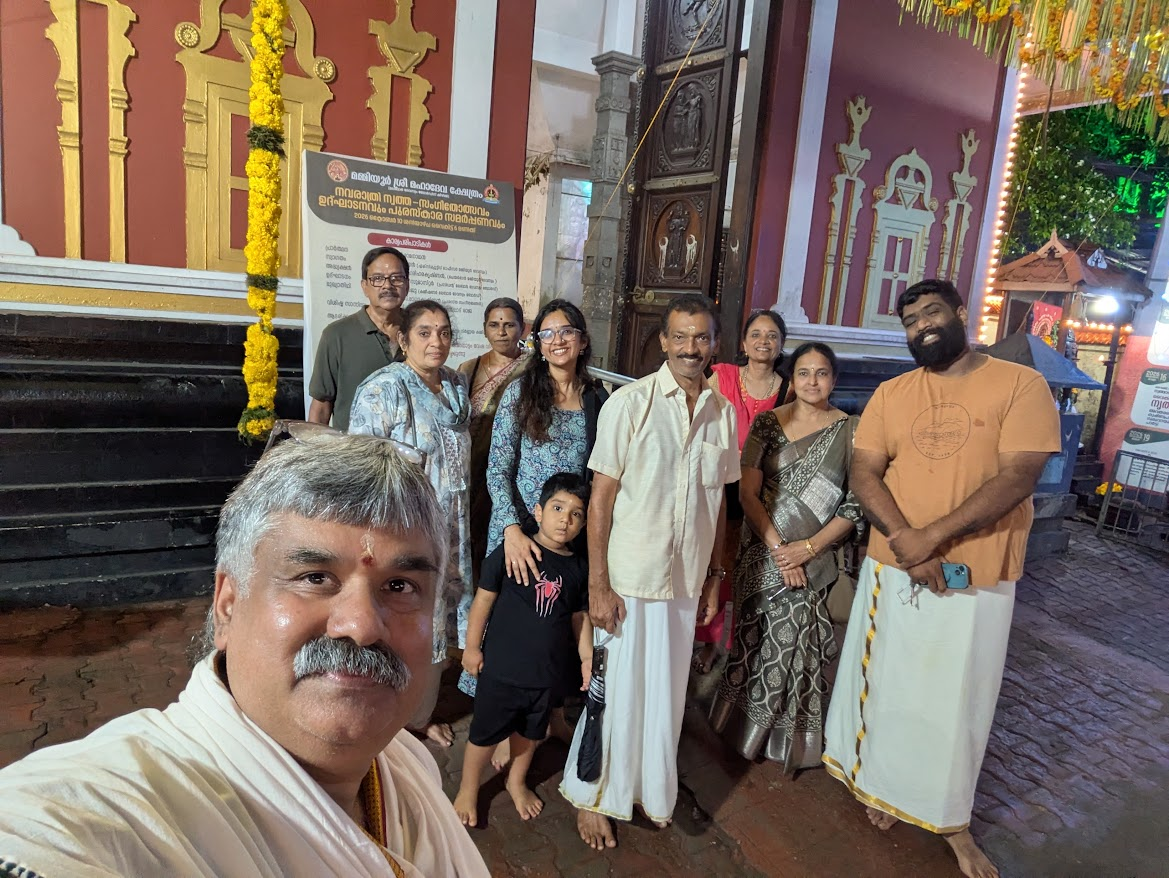
Mammiyoor Shri Mahadeva Temple
Presiding Deity
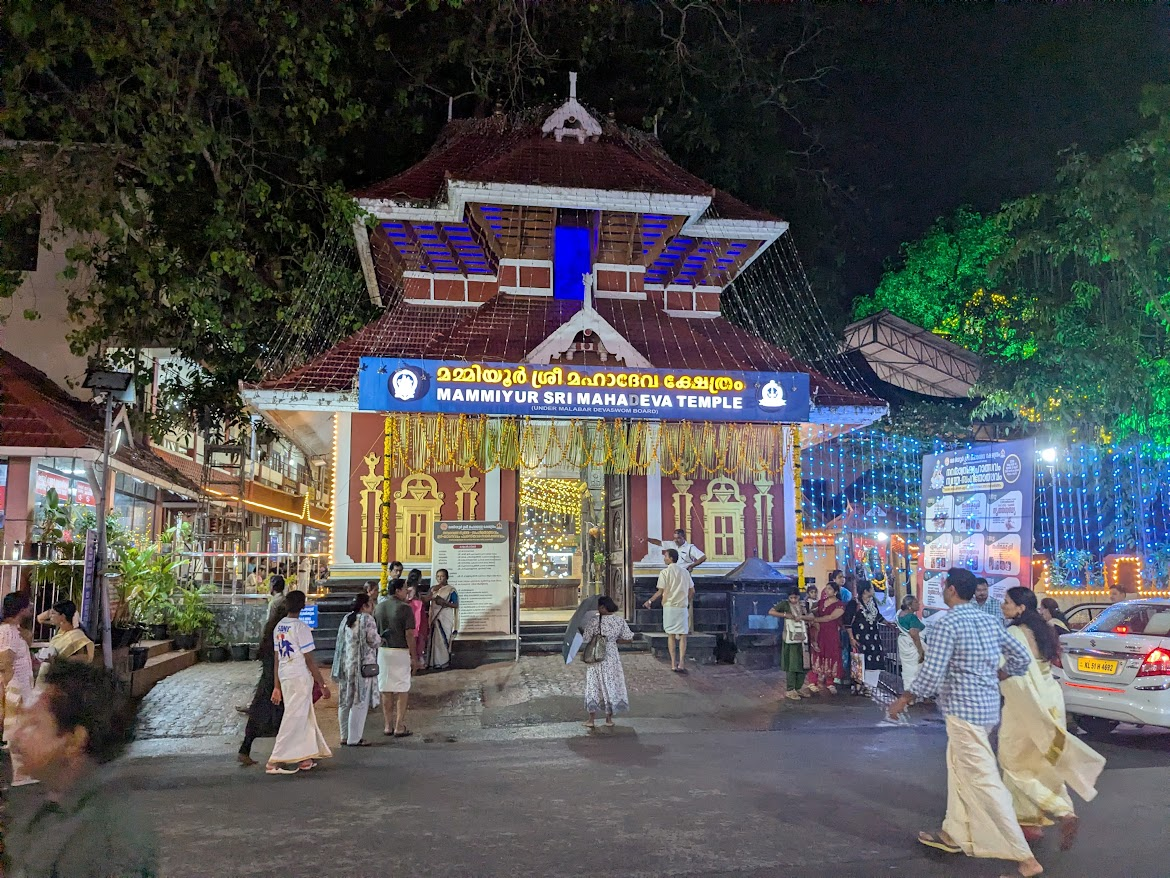
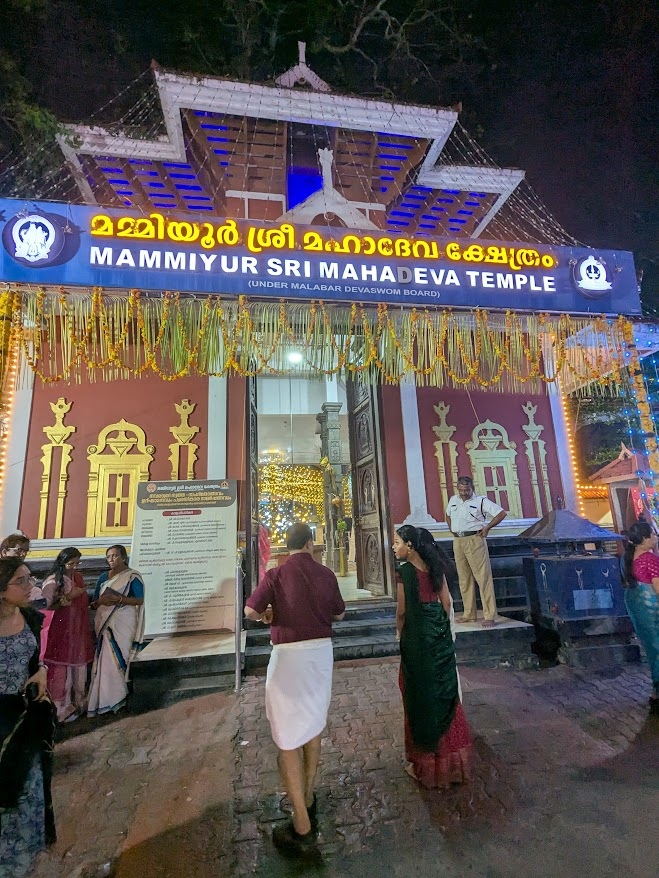
Presiding deity is Sri Mahadeva in benevolent posture facing east. Temple forms integral part of Guruvayur pilgrimage circuit, where complete spiritual benefit requires visiting both shrines. Sanctum emanates profound stillness, surrounded by traditional laterite walls and tiled roofs.
Upadevalayas
Complex houses shrines for Ganapathy, Subrahmanyan, Ayyappan, Mahavishnu, Serpent deities, and Brahmarakshasu. Each subsidiary shrine plays vital role in daily ritualistic hierarchy of temple.
Legend & Sthalapurana
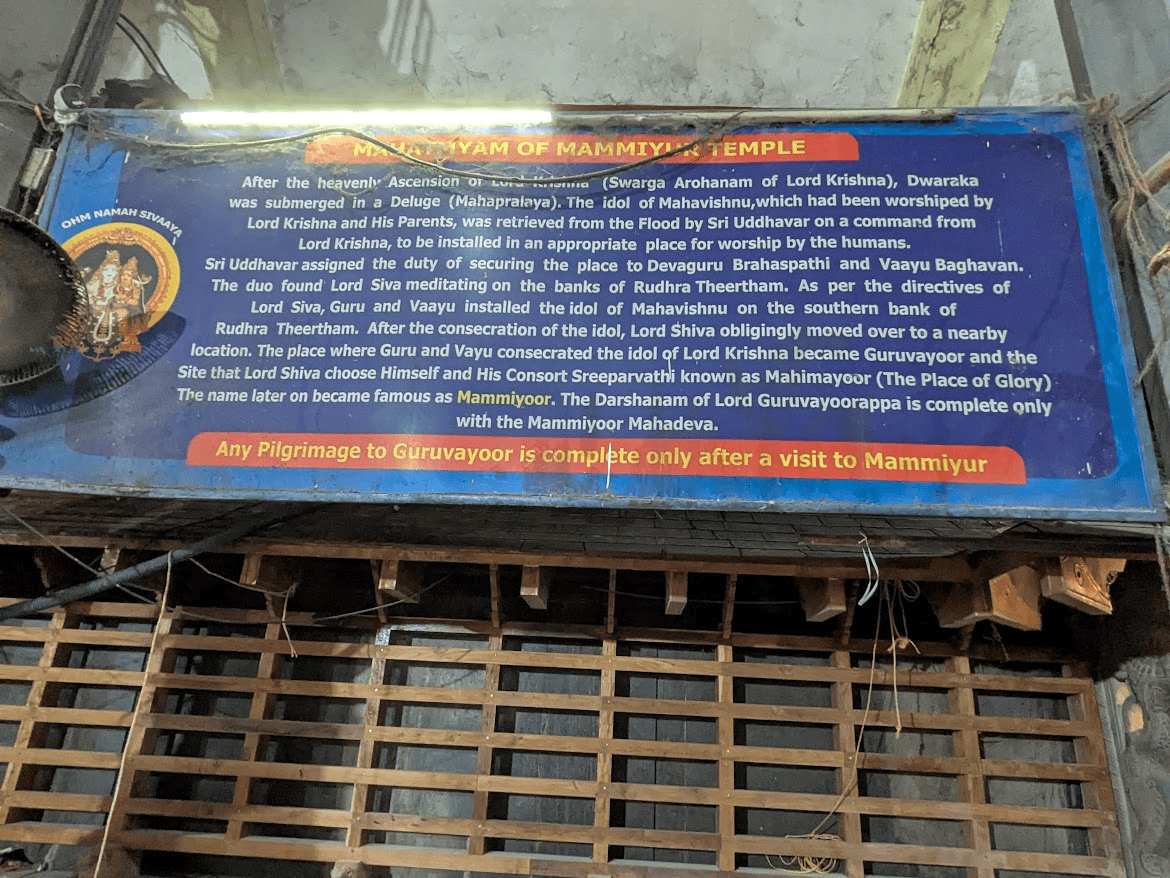
Sthalapurana of Mammiyoor is inextricably bound with cosmic history of neighboring Guruvayur temple. Long before prosperous town of Guruvayur emerged around divine presence of Sri Krishna, sacred forest surrounding present Mammiyoor was an ancient abode where Mahadeva and Parvathi resided in tranquil seclusion, worshipped by celestial beings and rishis. Tradition holds that original Siva Linga at Mammiyoor is Swayambhu, self-manifested from primordial consciousness.
When Devadwara sank into cosmic ocean at conclusion of Dvapara Yuga, floating divine idol of Vishnu worshipped by Vasudeva was rescued by Guru (preceptor of gods) and Vayu (God of winds). Guided by divine command of sage Narada, Guru and Vayu traversed southern realms seeking ideal location for permanent installation. Arriving at sacred forest of Mammiyoor, they sought permission from Mahadeva to establish Vishnu shrine nearby. Mahadeva, exemplifying cosmic harmony, graciously welcomed Sri Krishna and voluntarily shifted His primary sanctum slightly eastward to accommodate growing divine settlement, declaring that visits to Guruvayur would remain incomplete without paying respects at Mammiyoor.
Main Offerings
- Dhara: Continuous pouring of sacred liquids like water, milk, or tender coconut water over linga.
- Koovalamala: Garland made of sacred bilva leaves offered during morning pooja.
- Pinvilakku: Special oil lamp lit behind sanctum for removing ancestral hurdles.
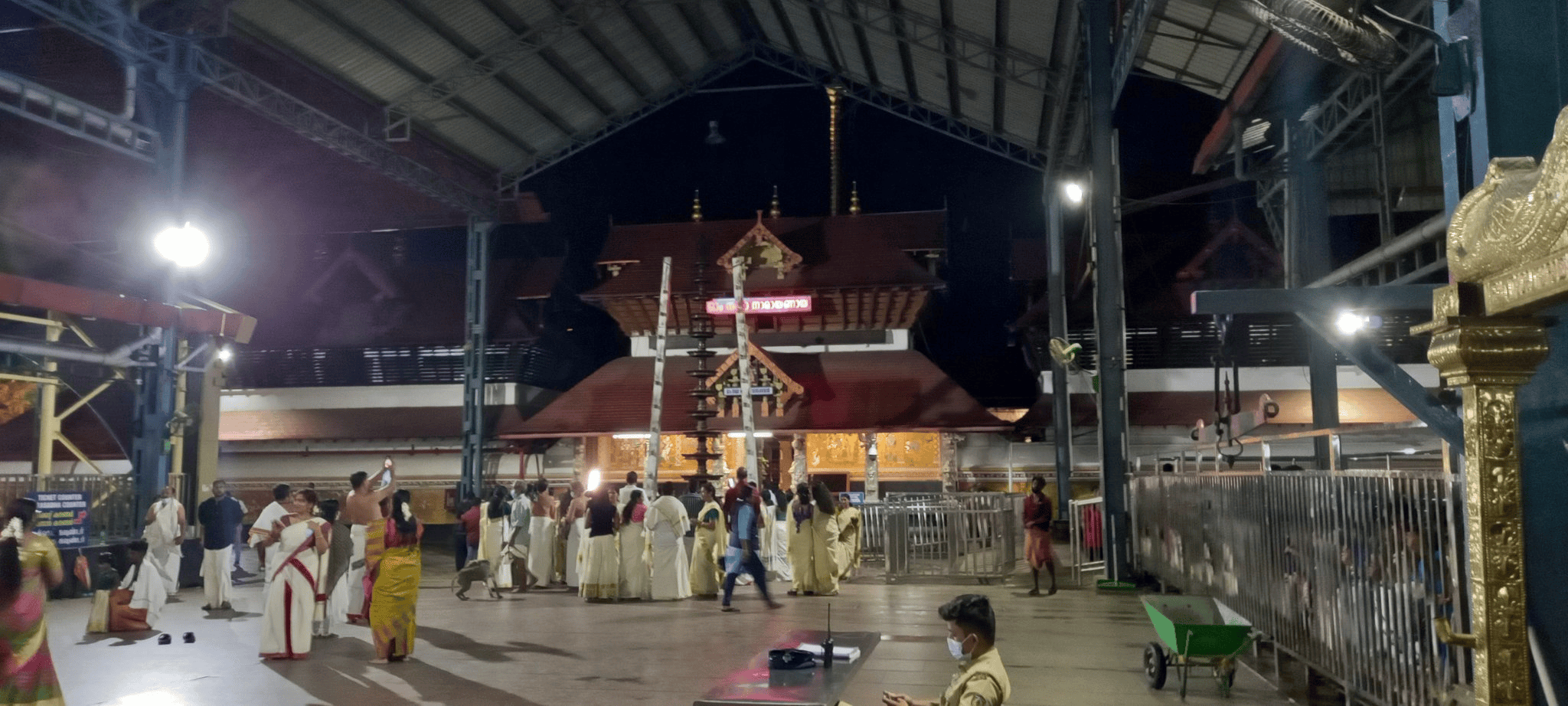
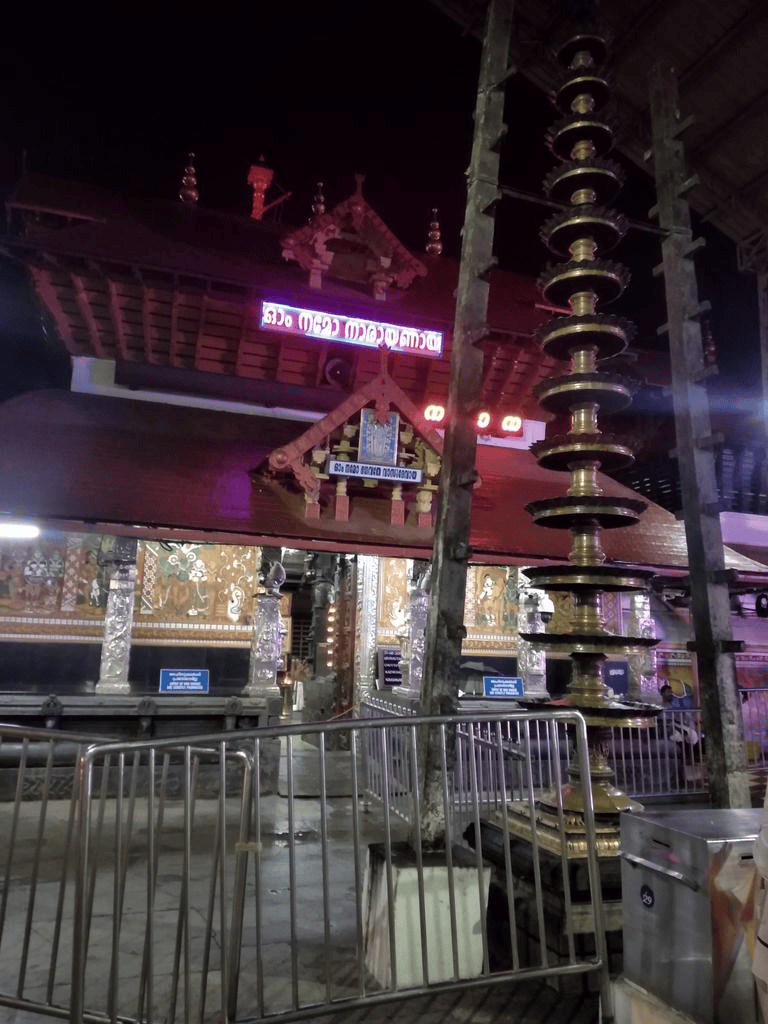
Guruvayur Shri Krishna Temple
Presiding Deity
Presiding deity is Sri Guruvayurappan, manifested as chaturbhuja Maha Vishnu holding conch, discus, mace, and lotus, sculpted from rare patala anjana stone. Idol possesses immense life energy, worshipped daily through rigorous ritual schedules starting before dawn.
Upadevalayas
Inner sanctum perimeter contains shrines dedicated to Ganapathy, Sastha, and Edatharikathu Kavil Bhagavathi, receiving daily reverential offerings.
Legend & Sthalapurana
Chronicles preserved in ancient temple texts narrate that sacred murti of Guruvayurappan was originally fashioned by divine architect Vishwakarma at behest of Brahma, who worshipped it at Satyaloka for ages. Later, responsibility of worship passed to Sutapa and Prishni, and subsequently to Vasudeva and Devaki in Dvaraka as manifestation of Sri Krishna divine essence. When impending deluge threatened to submerge Dvaraka, Sri Krishna instructed Uddhava regarding floating idol, urging him to ensure its preservation by entrusting it to Guru and Vayu.
Following oceanic submergence, Guru and Vayu retrieved divine image bobbing upon rolling waves and embarked upon aerial journey across Bharatakhanda seeking pristine sanctuary. Guided by sage Parasurama, who had reclaimed Kerala from sea, they arrived at serene lake shore shaded by banana and jackfruit trees where Shiva and Parvathi were meditating. Pleased by profound sanctity of site, Mahadeva granted permission for installation. Guru and Vayu consecrated murti on auspicious day, uniting their names into sacred epithet Guruvayur. Centuries later, king Janamejaya performed serpenta yajna here, curing his severe leprosy through grace of Guruvayurappan, cementing temple reputation as premier healing shrine.
Main Offerings
- Palpayasam: Sweet milk porridge offered as primary naivedyam in large quantities.
- Thulabharam: Weighing devotee against commodities like bananas, jaggery, or sugar.
- Krishnanattam: Traditional ritualistic dance-drama series depicting life of Sri Krishna.
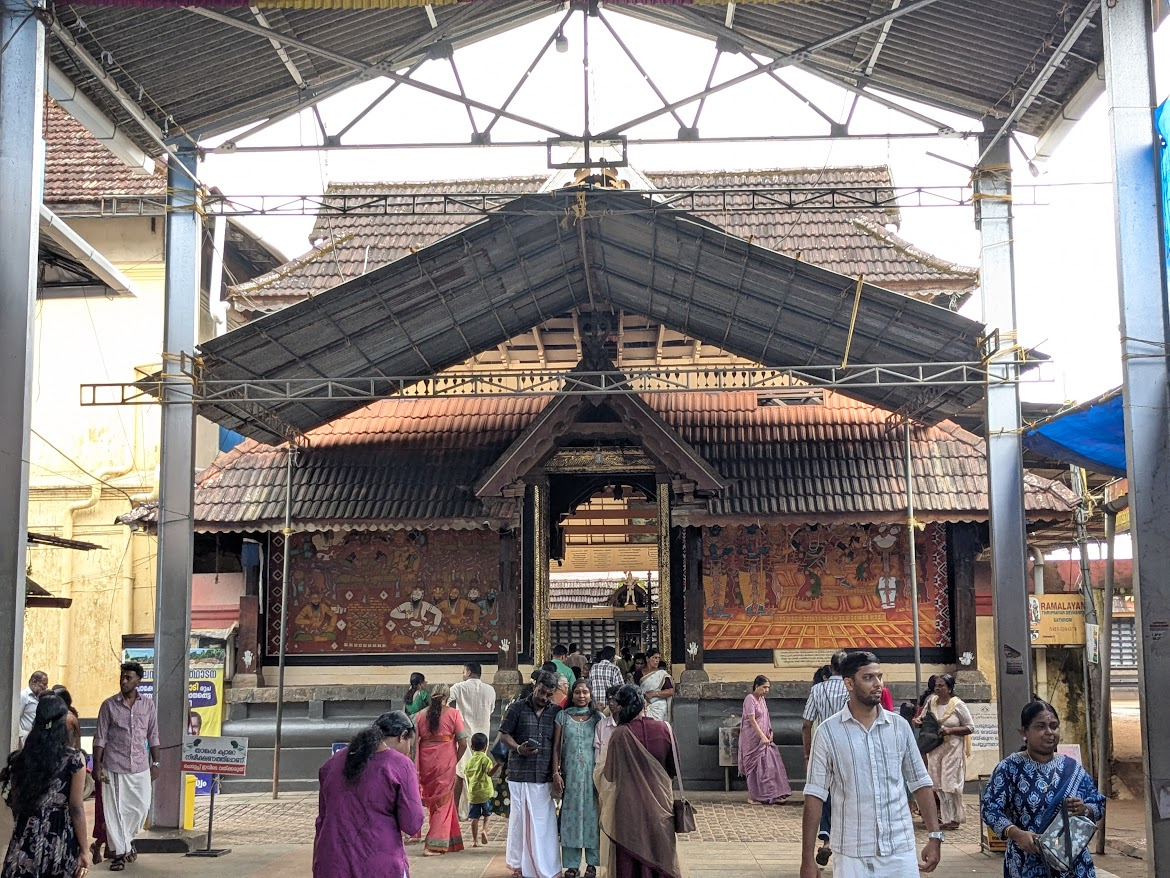
Triprayar Shri Rama Temple
Presiding Deity
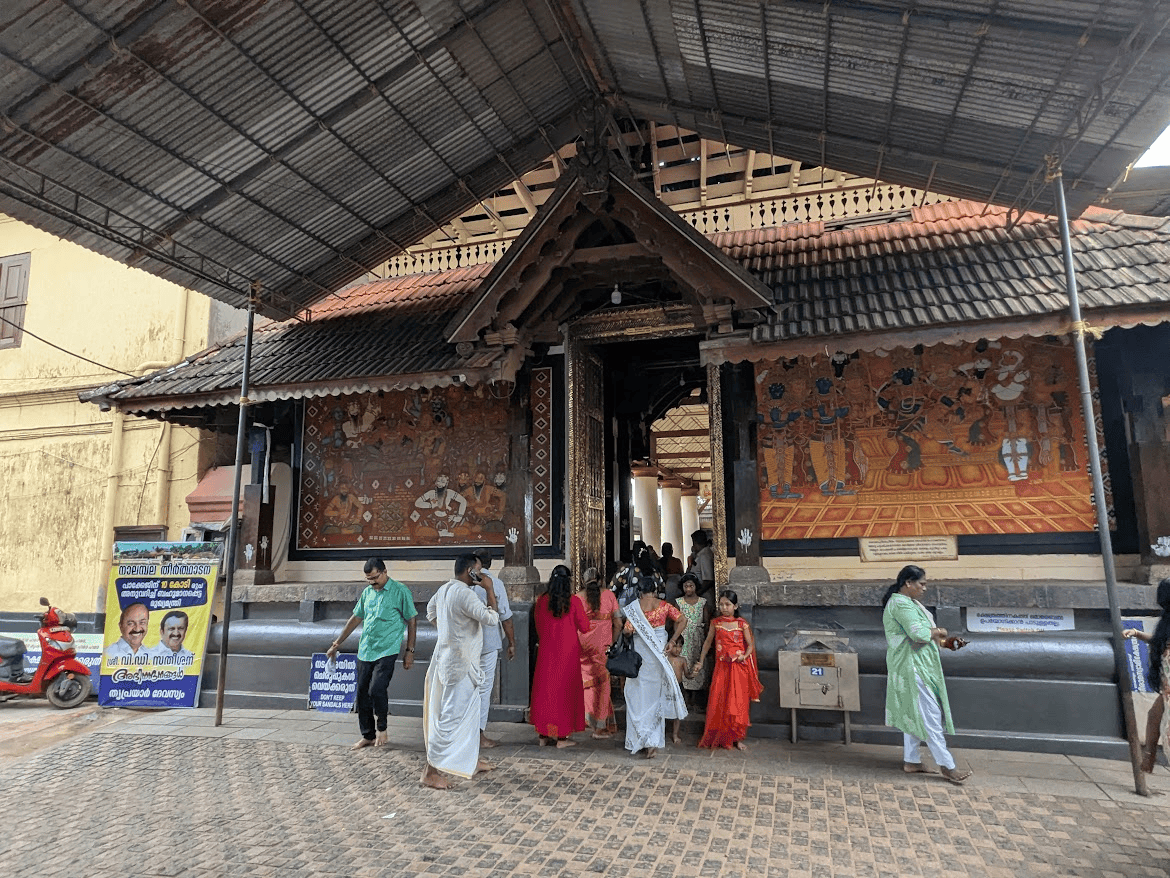
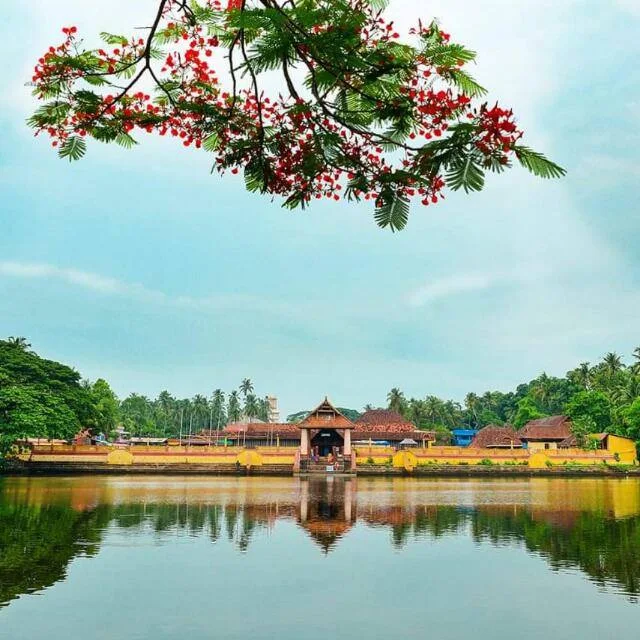
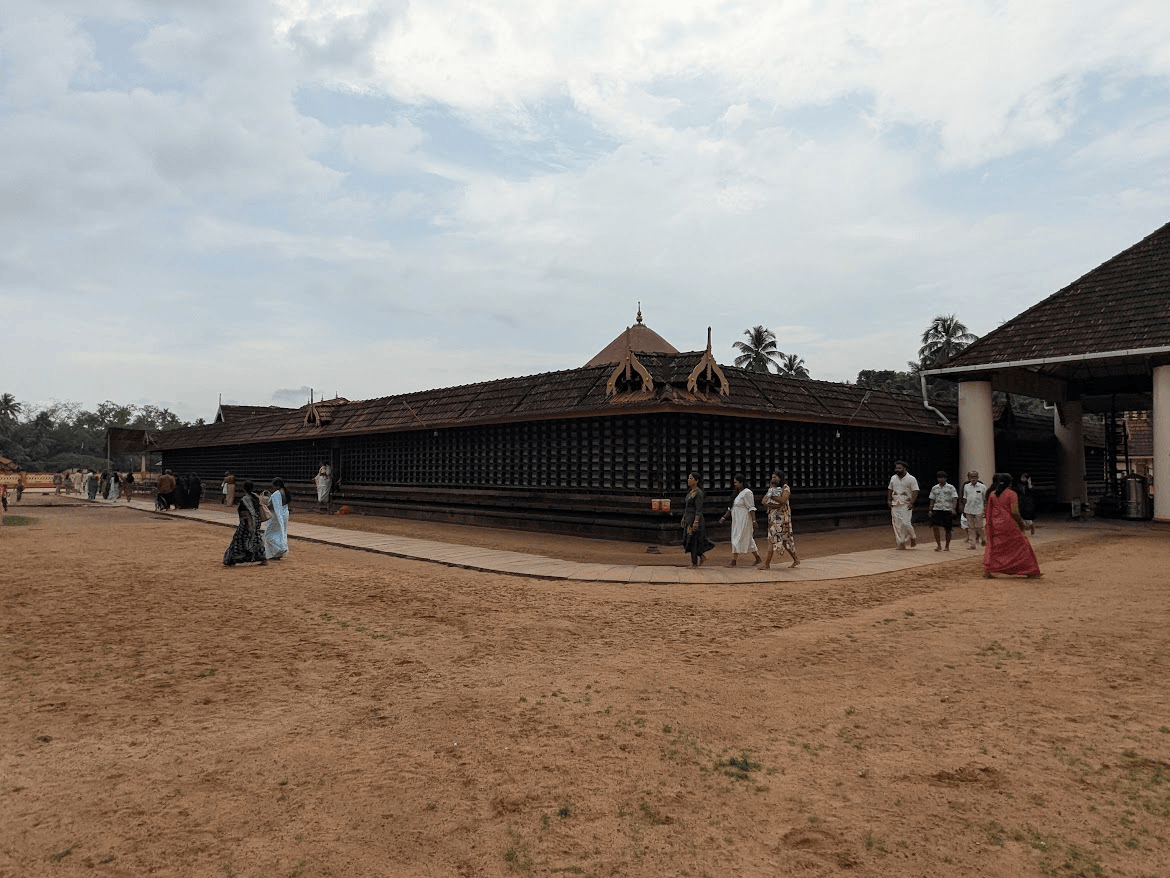
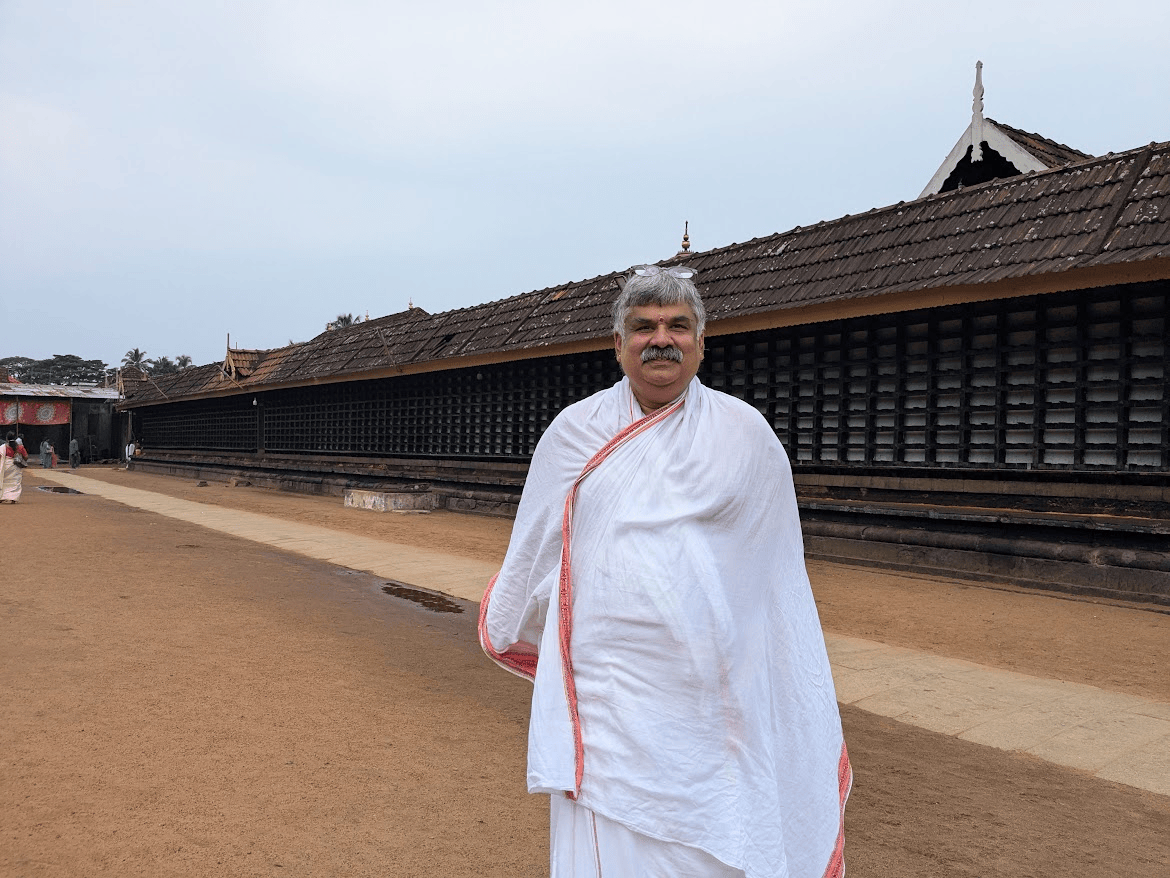
Presiding deity is Sri Rama, depicted with four arms bearing conch, disc, bow, and garland, resembling supreme form of Maha Vishnu. Beautiful wood carvings adorn interior walls depicting scenes from epics.
Upadevalayas
Enclosure contains shrines for Ganapathy, Dakshinamurthy, Sastha, Gosala Krishnan, and Hanuman, maintained with deep traditional reverence.
Legend & Sthalapurana
Sthalapurana of Triprayar traces divine lineage back to royal palace of Ayodhya, where Sri Rama worshipped four principal murtis representing different aspects of supreme Vishnu consciousness. Following ascension of Sri Rama to Vaikuntha and subsequent submergence of Dvaraka, sacred idol of Sri Rama worshipped by Sri Krishna drifted across Arabian Sea, carried by northern currents. Local fishermen operating near mouth of river serpentine at Chettuva noticed unusual divine effulgence emanating from floating wooden chest bobbing on waves.
Astonished fishermen towed chest ashore and presented it to local ruler, Vakkayil Vakkeel, and spiritual elders of region. Upon opening chest, radiant four-armed murti of Sri Rama was discovered. As royal priest attempted to lift image, it miraculously adhered to spot where it landed, refusing to move. Recognizing divine will, temple was erected precisely at that location on banks of tranquil river. Legend notes that river flowing past temple bends sharply, creating natural bow shape symbolizing Kodanda bow of Sri Rama, while presence of river dolphins paying obeisance adds mystical charm to daily worship.
Main Offerings
- Meenoottu: Feeding fish in river flowing adjacent to temple, believed to cure ailments.
- Kathina Vedi Vazhipadu: Firing of traditional gunpowder mortars to commemorate Hanuman locating Sita.
- Chakyar Koothu: Traditional temple art performance staged inside koothambalam.
Irinjalakuda Shri Sangameshwaran (Koodal Manikyam)
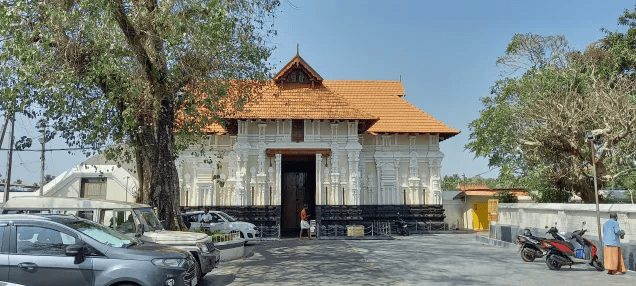
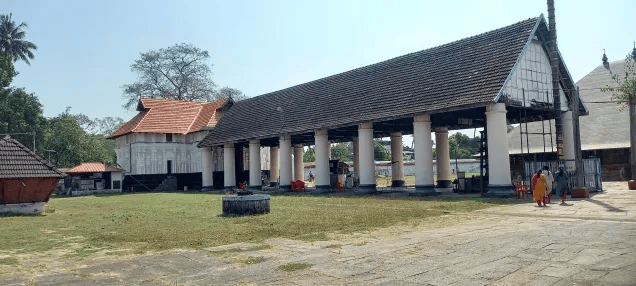

Presiding Deity
Presiding deity is Sri Sangameshwaran, unique because primary murti represents union of Bharata with other divine manifestations. Sanctum features exceptional stone and wood carvings reflecting classical architectural excellence.
Upadevalayas
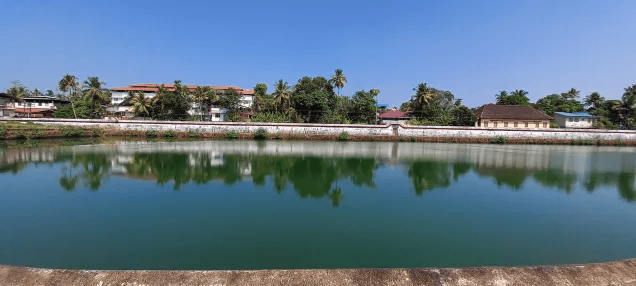
Shrines include Ganapathy, Sastha, and Nagaraja within spacious temple compound surrounded by large sacred tank.
Legend & Sthalapurana (You can read my earlier article dedicated to this Temple)
According to legendary accounts in Kerala sthalapuranas, origin of Koodal Manikyam temple is intricately linked with ascetic exile of Bharata during fourteen-year banishment of Sri Rama. While Rama, Sita, and Lakshmana dwelt in Dandakaranya forests, Bharata remained at Nandigram, wearing bark garments, sleeping on grass mats, and keeping sandals of Rama upon royal throne while executing governance as humble servant. To maintain unwavering spiritual discipline, Bharata performed rigorous penance and installed divine stone symbols representing cosmic union of all divine forces.
After coronation at Ayodhya, sages advised installation of these sacred murtis across realm to anchor spiritual stability. When celestial beings dropped radiant gem-encrusted divine light across southern landscapes, multiple luminous points converged into single miraculous image at Irinjalakuda. Term Koodal Manikyam literally translates to “fusion of luminous rubies or divine gems.” It remains extraordinary temple where presiding deity is worshipped exclusively as Bharata, embodying ideal brotherly devotion, righteousness, and supreme duty, with no subsidiary main deities sharing inner sanctum.
Main Offerings
- Meenootu: Offering food to aquatic life in temple tank as major vow.
- Thulabharam: Weighing rituals performed by devotees seeking fulfillment of vows.
- Naypayasam and Palpayasam: Special sweet rice offerings prepared in temple hearths.
Kodungallur Shri Kurumba Bhagavathi Temple
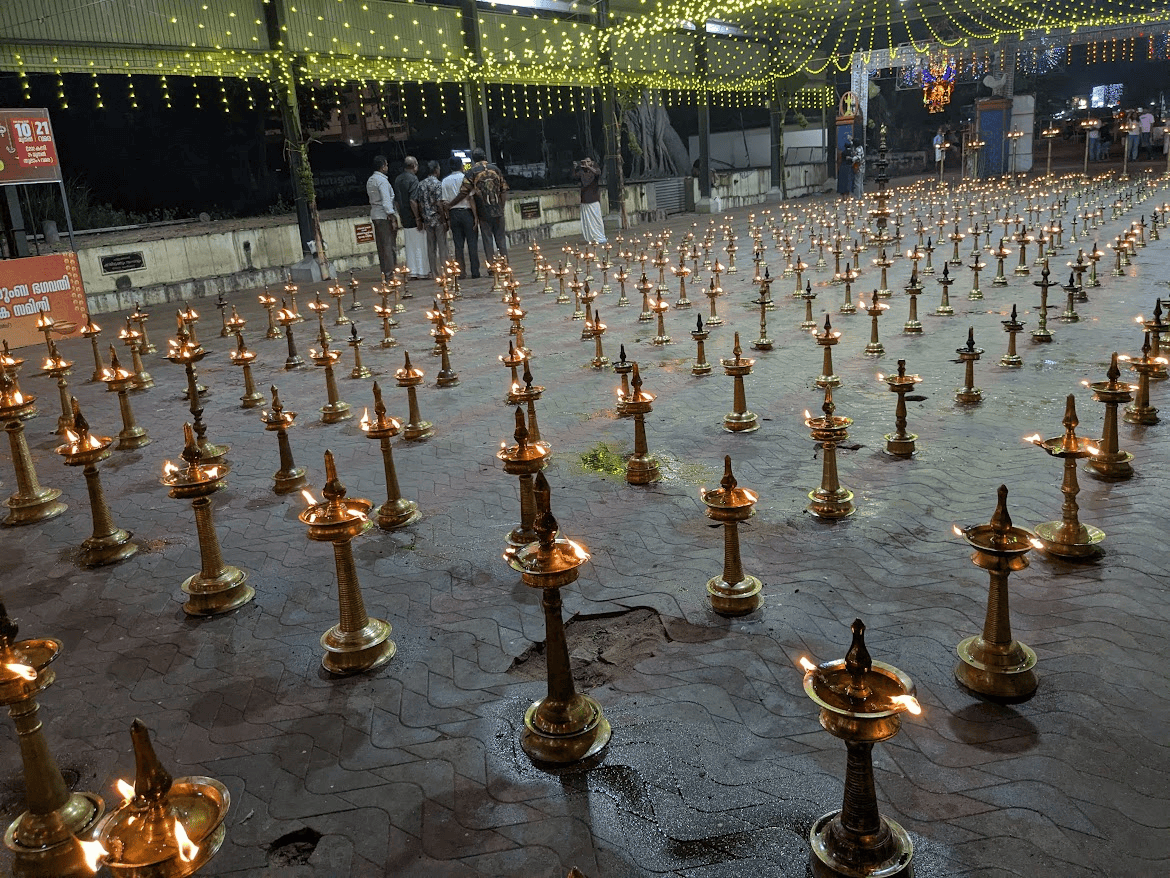
Presiding Deity
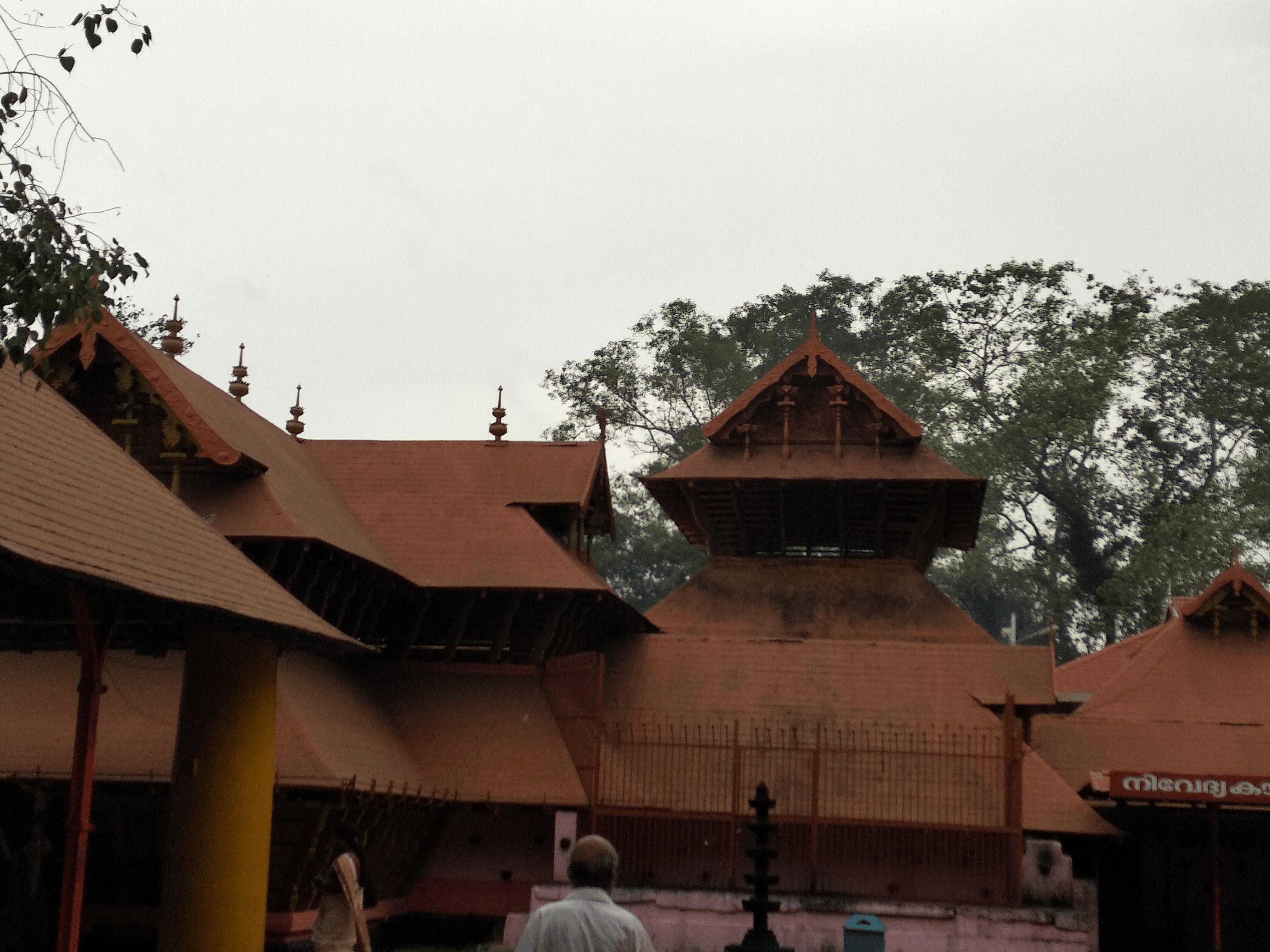
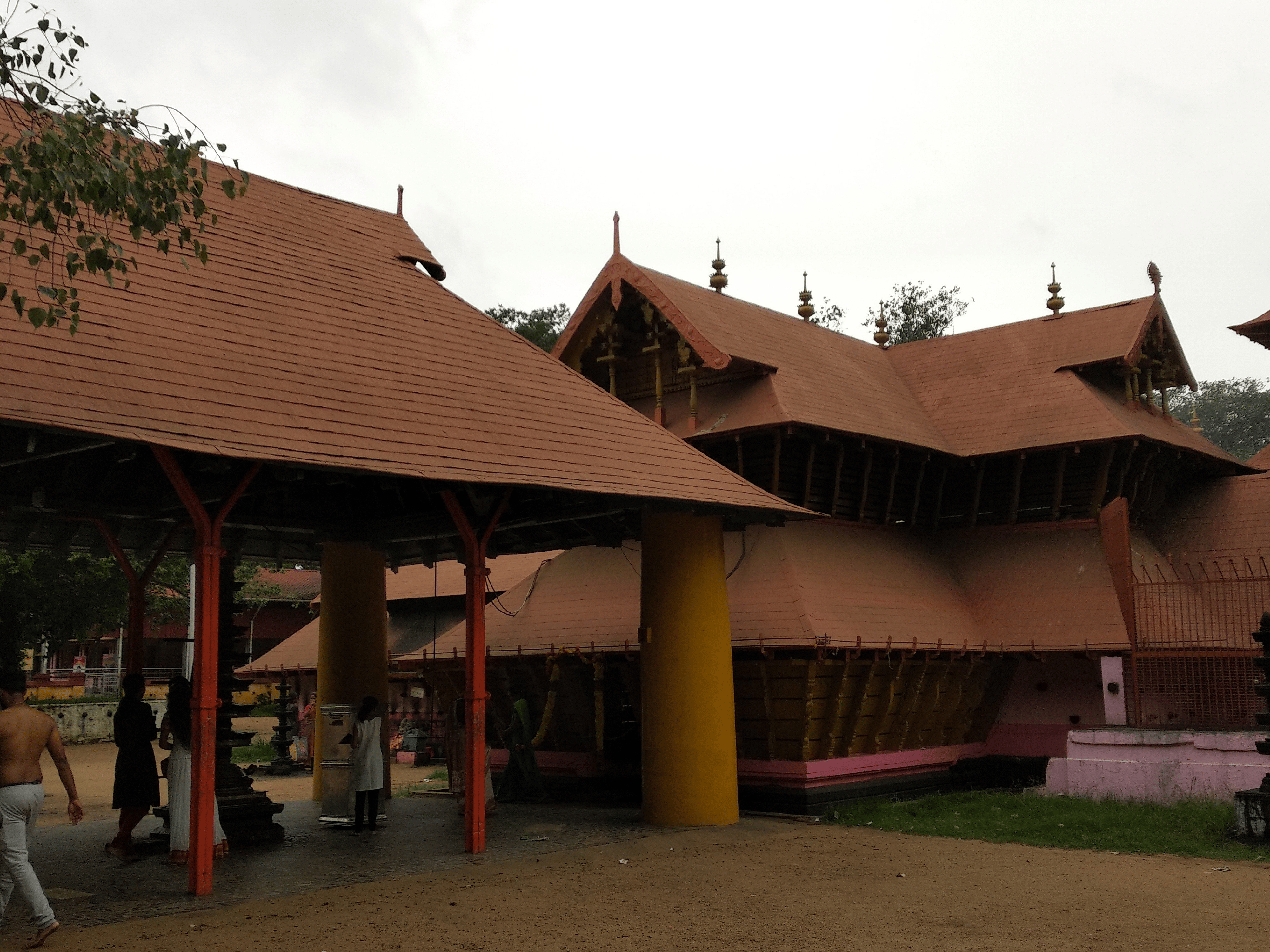
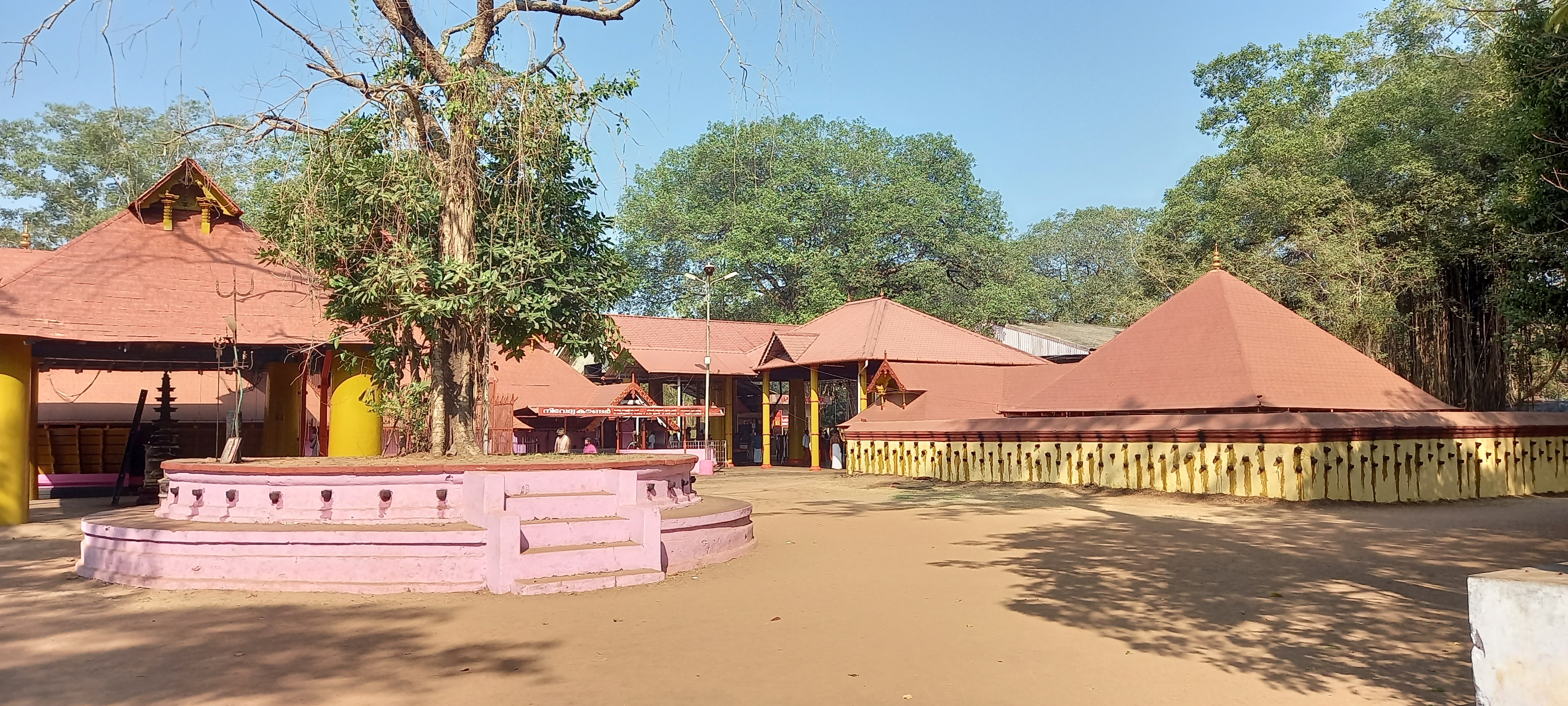
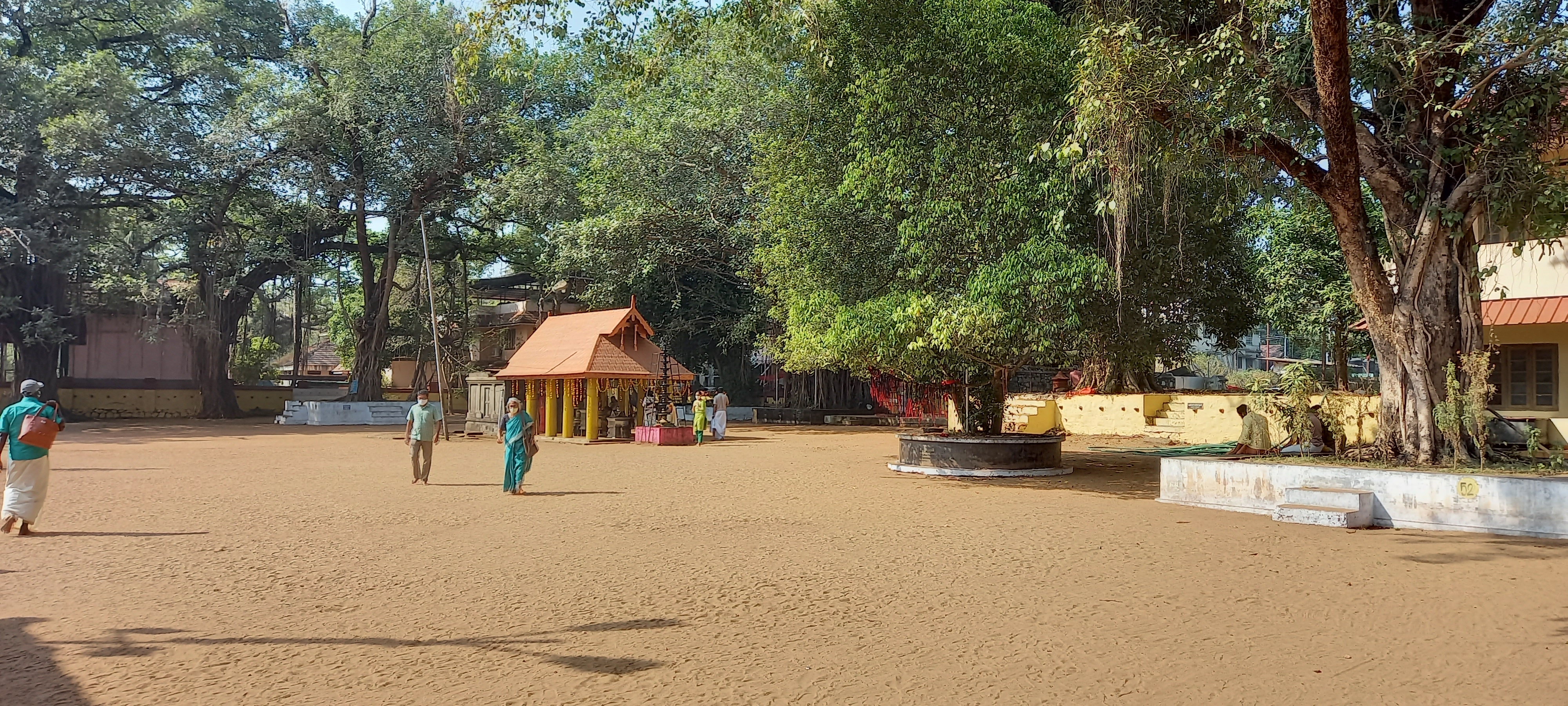
Presiding deity is Sri Kurumba Bhagavathi, fierce form of Bhadrakali possessing eight arms bearing weapons, skull cup, and demon Darika head. Ancient wooden idol rests inside sanctum facing north.
Upadevalayas
Complex contains ancient shrine for Kshetrapala on northeast side and historical memory of Vasoori shrine associated with healing.
Legend & Sthalapurana
Kodungallur Bhagavathi temple holds monumental status in Kerala history, steeped in twin layers of puranic mythology and classical Tamil epic tradition. Puranic accounts narrate that celestial terror reigned supreme when demon king Daruka acquired invincible boons from Brahma, harassing gods and sages across worlds. Unable to bear oppression, Shiva opened third eye, releasing terrifying wrath that manifested as fierce Bhadrakali. Goddess descended upon battlefields of Darukavana, vanquishing demon in cataclysmic combat and decapitating him to restore cosmic order. Seeking to pacify blinding fury of victorious Devi after battle, Brahma, Vishnu, and Shiva implored her to settle at Mahodayapuram (modern Kodungallur) for protection of righteous mortals.
Parallel historical tradition interwoven with Silappatikaram records that legendary Chera monarch Senguttuvan established grand memorial shrine for Kannagi, epitome of chastity and justice, who consumed ancient city of Madurai in flames of righteous indignation. When Kannagi wandered northward into Kerala mountains seeking spiritual peace, sage Parasurama and local chieftains welcomed her divine spirit, enshrining her as supreme Kurumba Bhagavathi. During annual Bharani festival, millions of devotees gather, invoking raw ancestral energy and celebrating triumph of divine justice over tyranny.
Main Offerings
- Turmeric Powder Application: Spreading turmeric across temple walls as healing ritual.
- Bharani Pattu: Recitation of folk ballads during annual festival season by oracle dancers.
- Guruthy: Red vermilion liquid offering symbolizing protective energy and cosmic balance.
Pallathamkulangara Shri Bhagavathi Temple
Presiding Deity
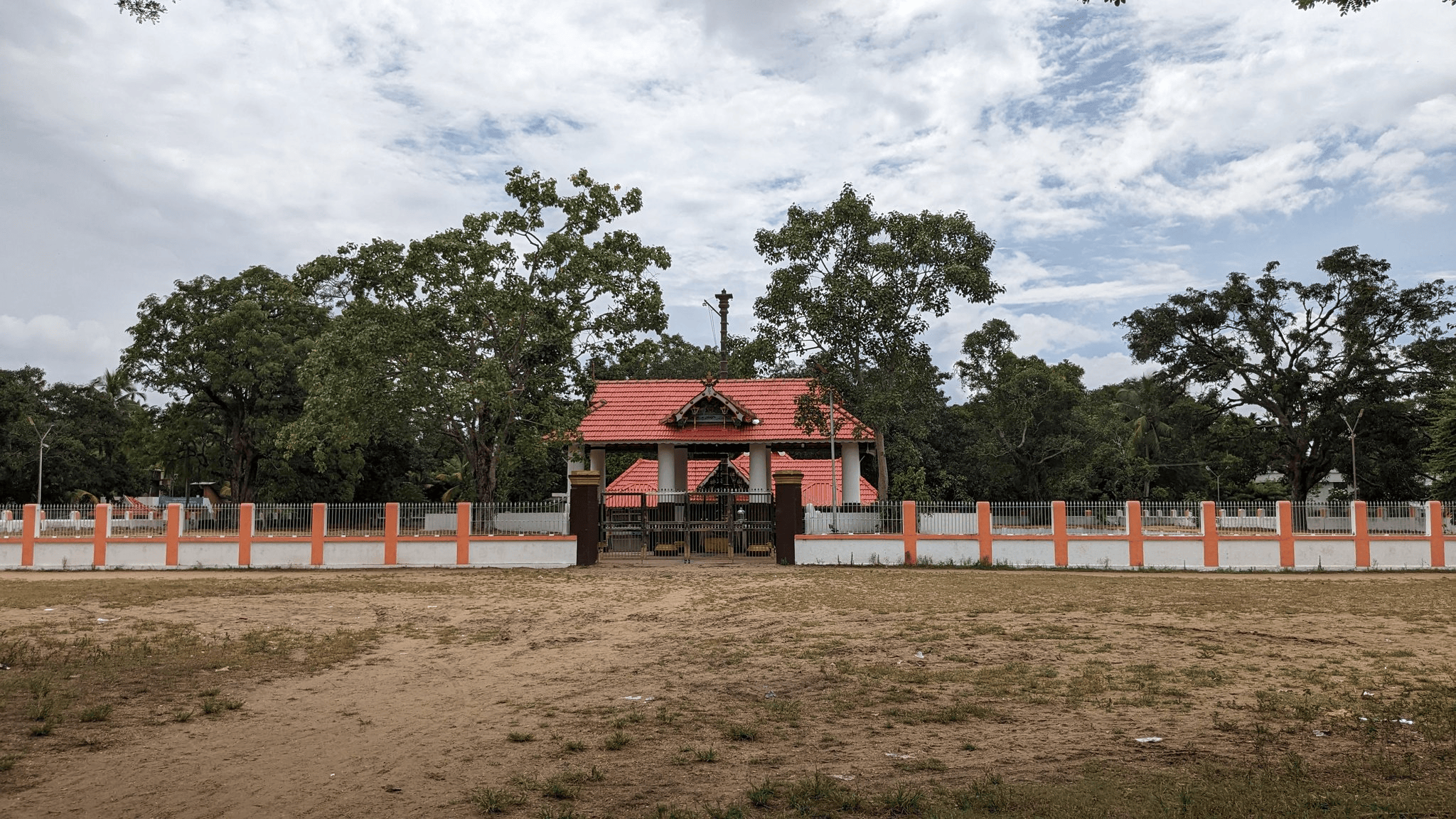
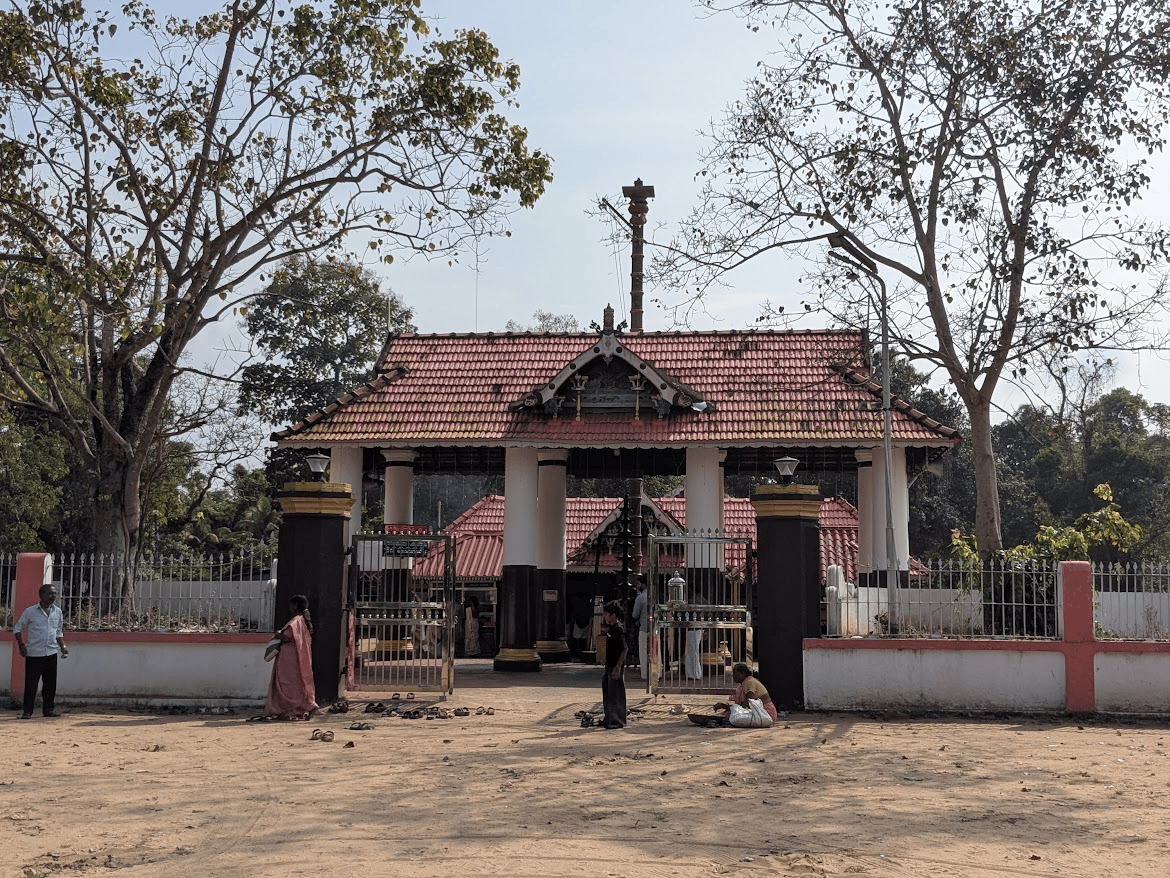
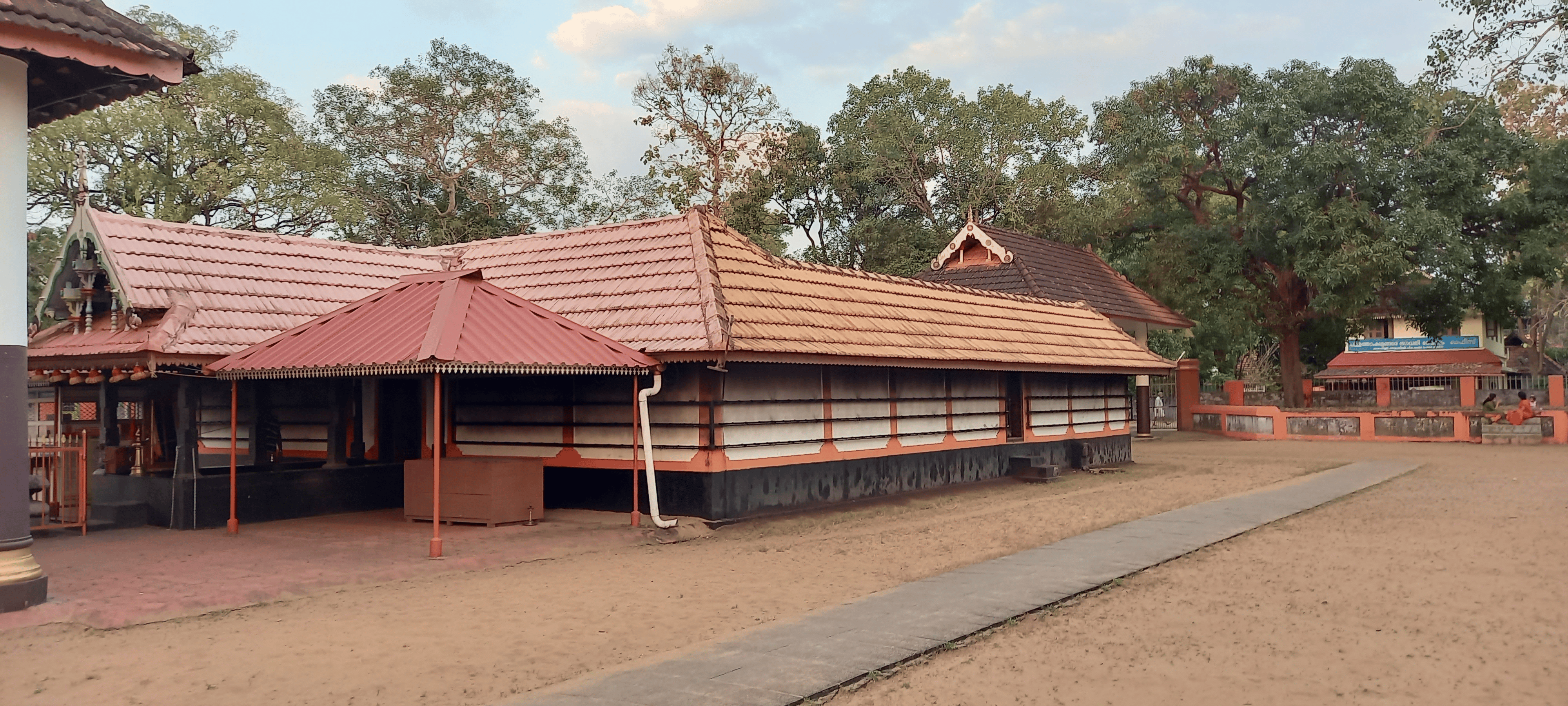
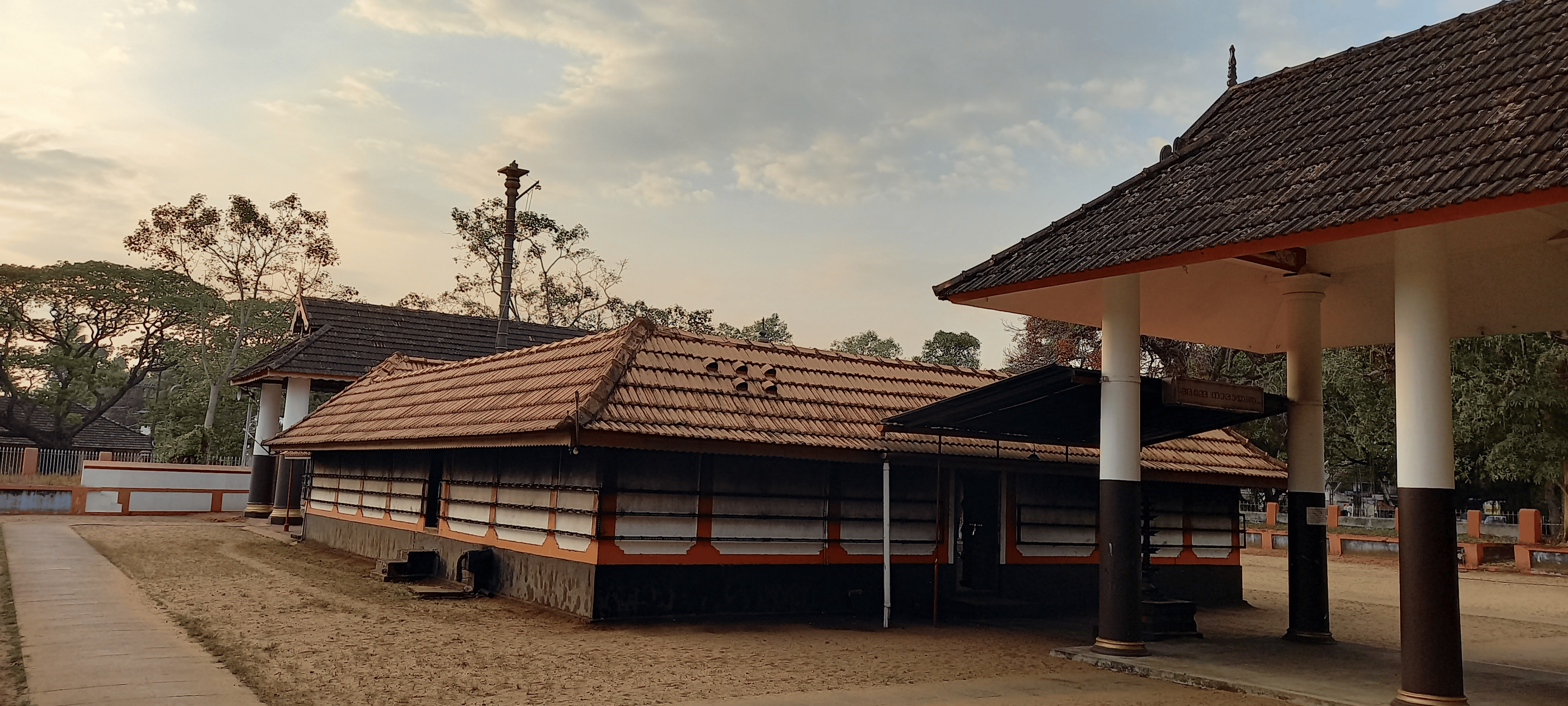
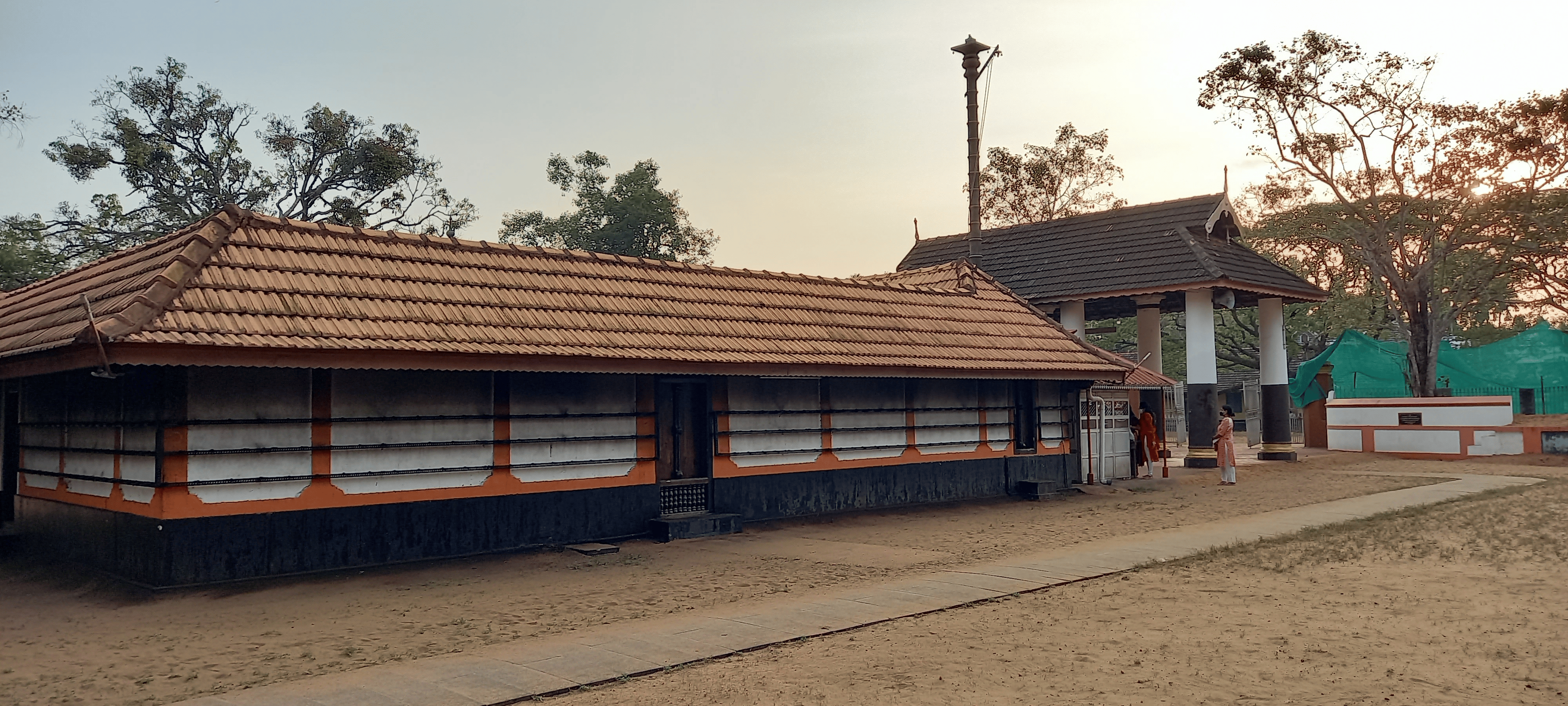
Presiding deity is Sri Bhagavathi, bestowing immense prosperity, maternal protection, and spiritual clarity upon sincere worshippers. Serene atmosphere surrounds sanctum, attracting sincere spiritual seekers. Incidentally this Shore temple also happens to be our Family Deity for generations.
Upadevalayas
Minor shrines house Ganapathy, Sastha, and regional guardian spirits within outer precinct, receiving regular daily worship.
Legend & Sthalapurana
Oral folklore surrounding Pallathamkulangara shrine tells of ancient era when fertile agrarian settlements of central Kerala faced recurring plagues, crop failures, and malevolent occult disturbances unleashed by wandering astral entities. Elders and spiritual practitioners of community gathered in deep prayer, appealing to supreme mother goddess for succor. Legend states that divine energy spontaneously manifested within sacred grove surrounding tranquil pond, signaled by sudden appearance of celestial light and sweet fragrance of jasmine filling twilight air.
Local chieftain experienced vivid vision instructing him to consecrate site and establish regular ritual worship to anchor protective shakti of Devi. Ever since that miraculous manifestation, shrine has served as infallible spiritual shield for local populace. Annual festivals feature traditional lamp processions and ritual arts celebrating victory of maternal compassion over destructive forces, maintaining unbroken link between ancestral faith and contemporary devotion.
Main Offerings
- Chathussatham: Elaborate traditional sweet preparation offered on grand scale.
- Kalabhabhishekam: Abhishekam using pure sandalwood paste infused with saffron.
- Pushpanjali: Special floral invocations with red hibiscus petals for familial well-being.
Paravur Shri Mookambika Temple
Presiding Deity
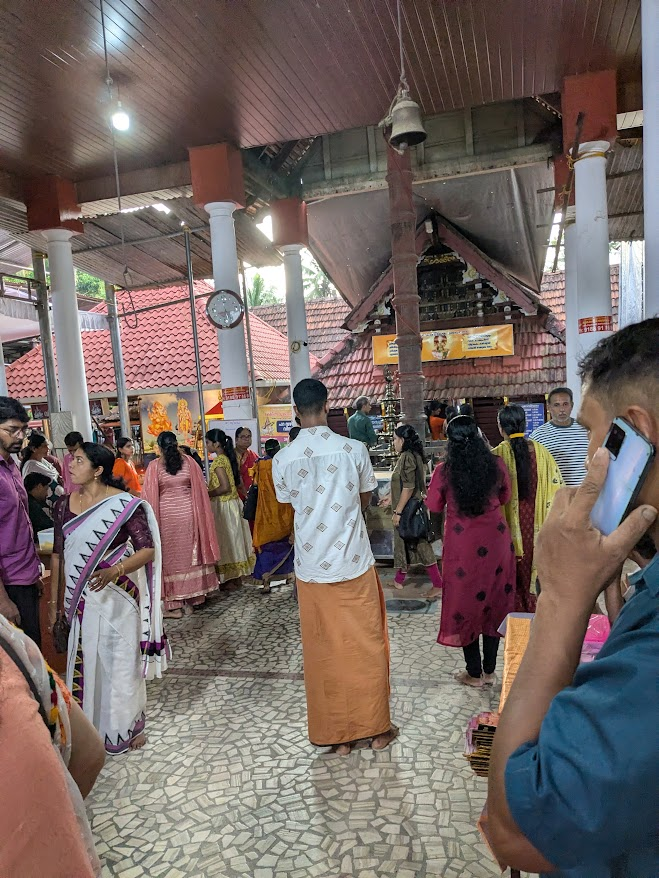
Presiding deity is Sri Mookambika, southern manifestation of Saraswathi, Mahalakshmi, and Mahakali combined into single source of supreme knowledge and creative energy.
Upadevalayas
Subordinate shrines feature Ganapathy, Subrahmanyan, Veerabhadra, and serpent deities, maintained with strict ritual purity.
Legend & Sthalapurana
Sthalapurana of Paravur Mookambika temple is deeply connected to spiritual wanderings and profound realizations of sage Adi Shankara. During his monumental philosophical journeys across Indian subcontinent, Shankara sought ideal sanctuary to establish centers for dissemination of Vedic wisdom and divine learning. Arriving at sacred northern shrine of Kollur Mookambika, Adi Shankara performed intense austerities, imploring supreme goddess of speech and intellect to accompany him to his native soil of Kerala so that southern scholars could attain divine grace without arduous mountain journeys.
Pleased by unblemished devotion and intellectual brilliance of philosopher, Devi agreed to follow him southward on strict condition that Shankara must walk ahead without looking back to check her presence. As they crossed borders of Paravur, chiming of divine anklets suddenly ceased as Goddess stopped amidst soft sands. Impelled by anxiety, Shankara turned his head to look back, fulfilling condition that immobilized divine manifestation at that precise spot. Recognizing divine play, Adi Shankara consecrated sacred presence of Mookambika at Paravur, establishing it as premier center for education, music, and literary arts in Kerala.
Main Offerings
- Mahathrimadhura: Sacred mixture of honey, ghee, and jaggery consumed for intellectual growth.
- Vidyarambham: Initiation of young children into world of letters during Vijayadashami festival.
- Chandika Homam: Fire ritual performed for overcoming obstacles and acquiring profound wisdom.
Thrikkakkara Shri Vamana Murthi Temple
Presiding Deity
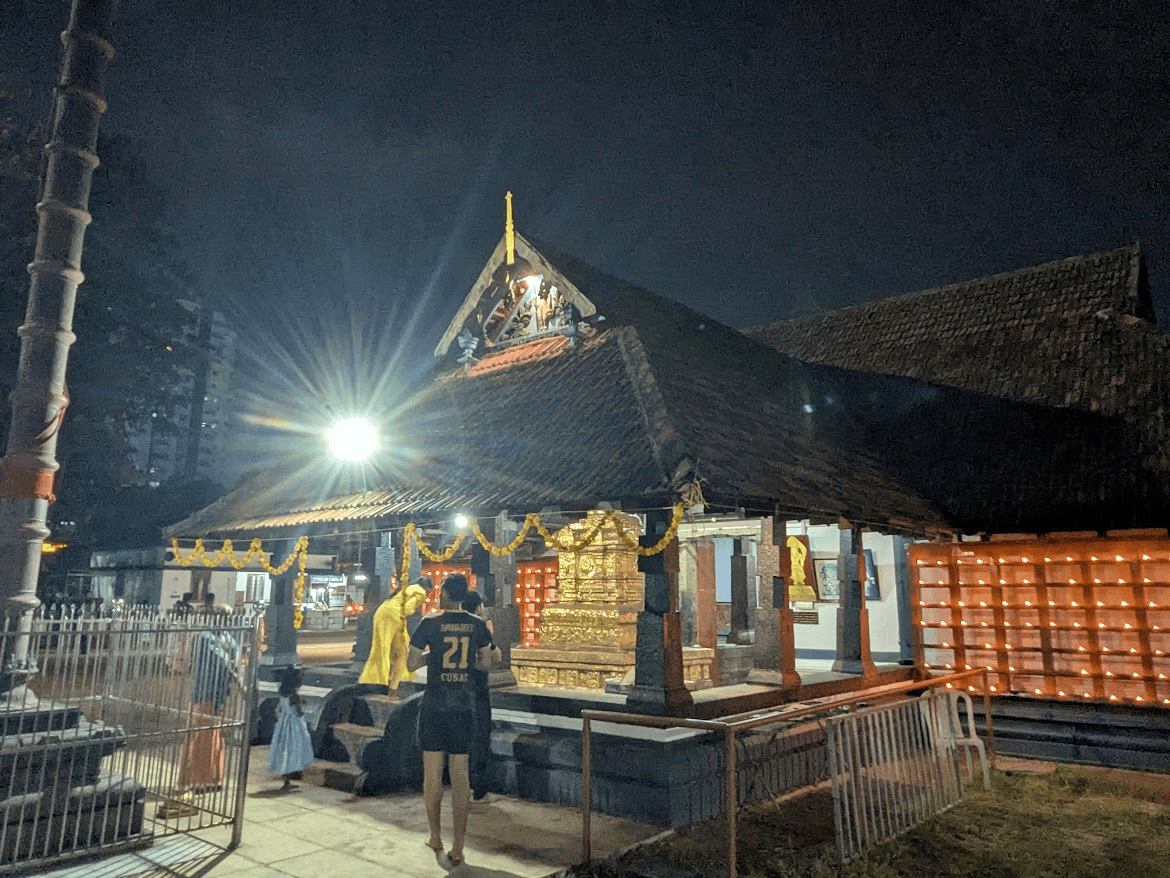
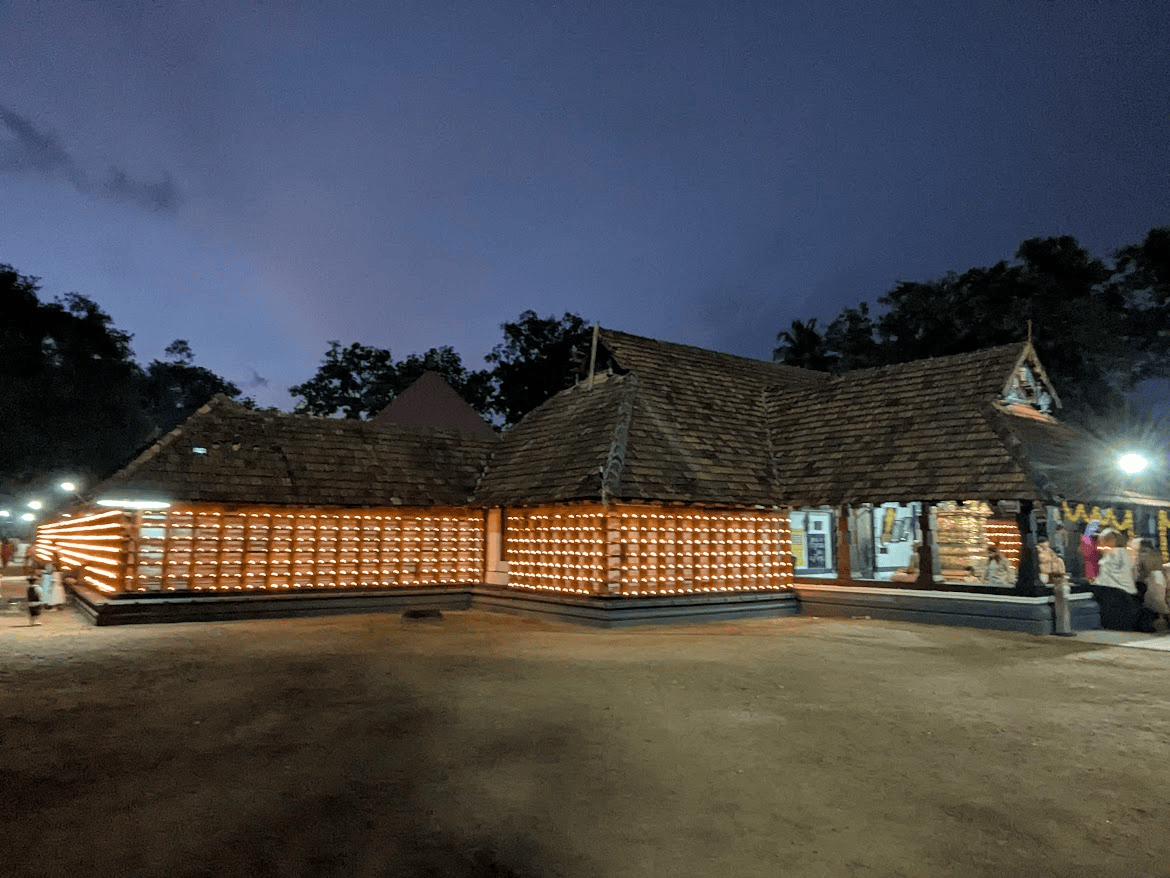
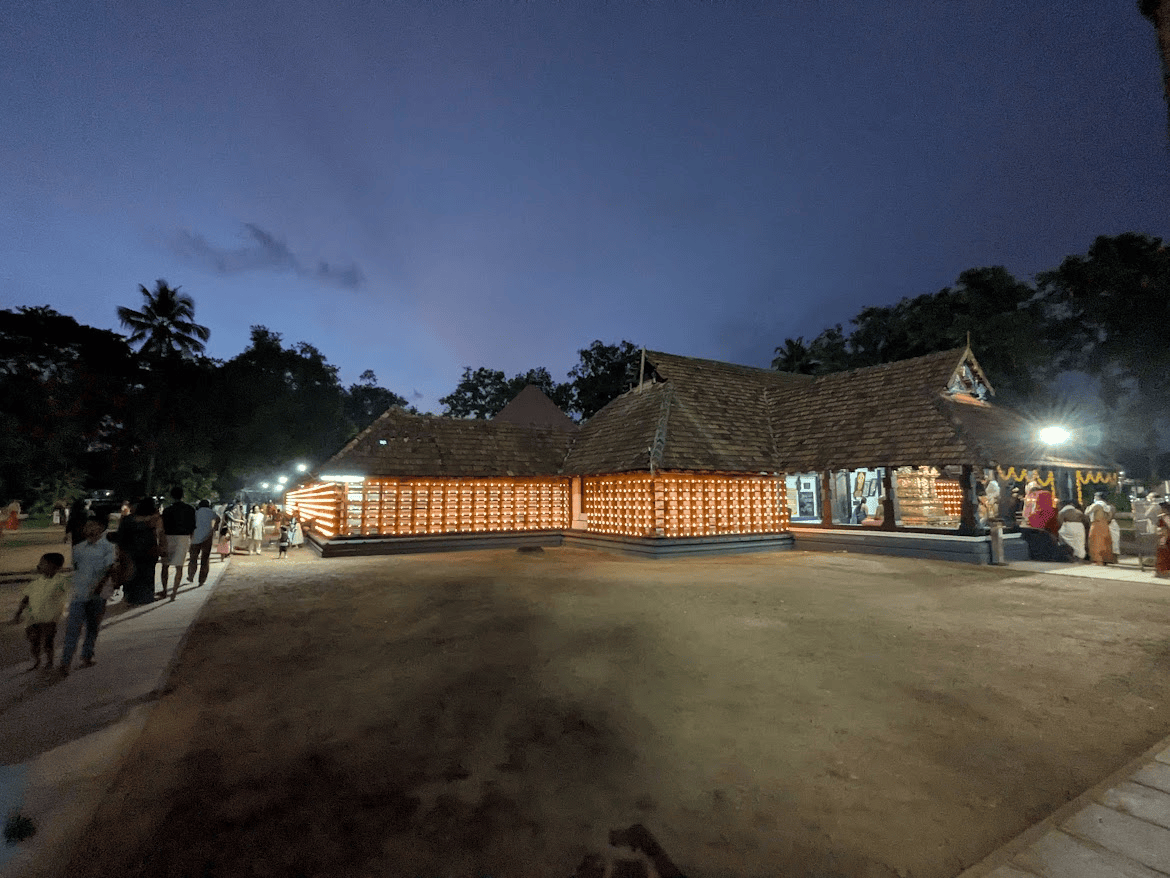
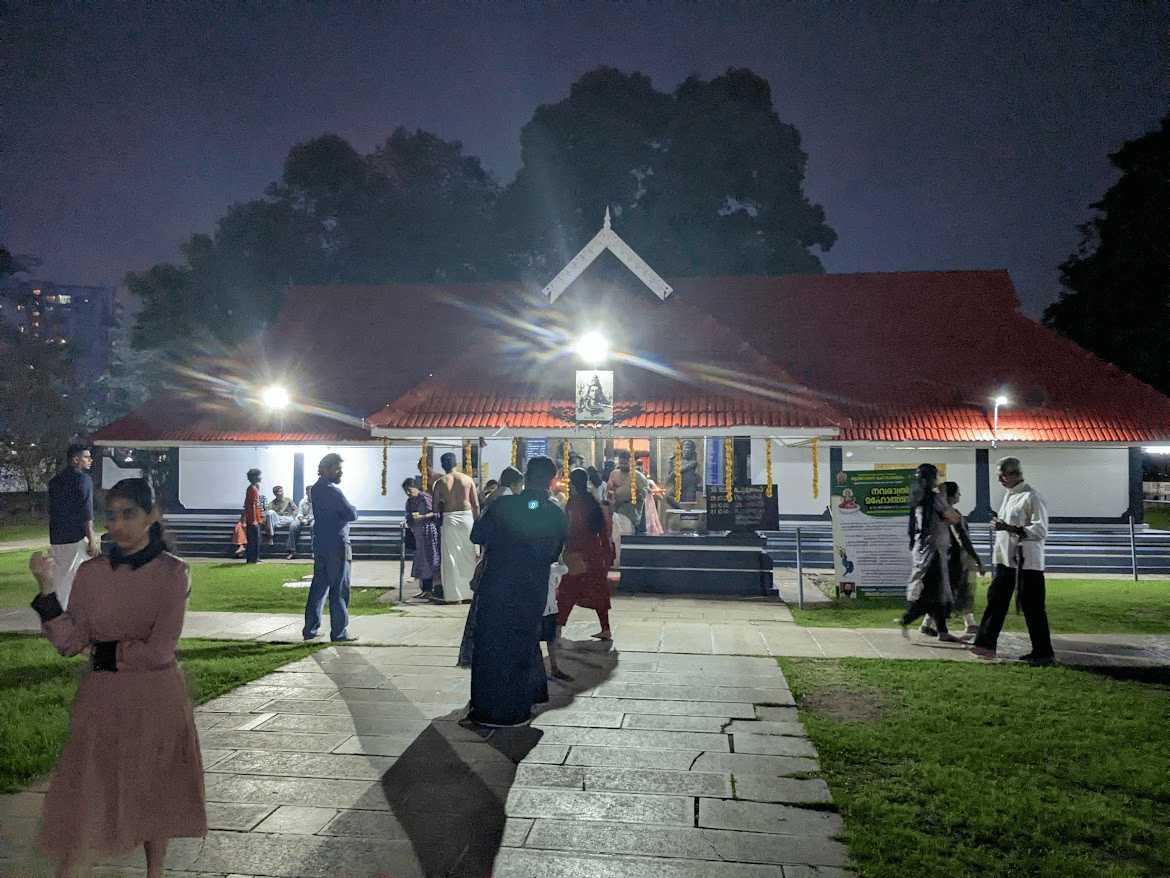
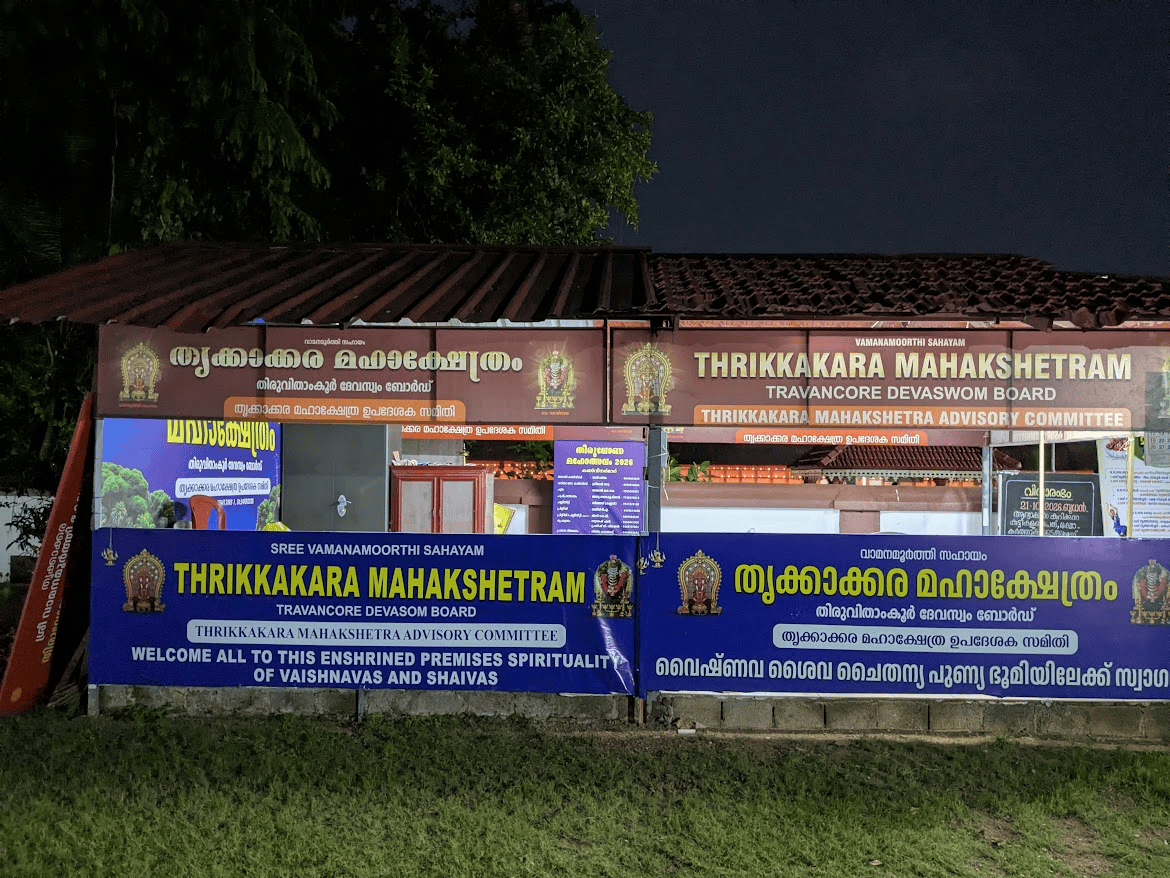
Presiding deity is Sri Vamana Murthi, commemorating dwarf avatar of Maha Vishnu who subdued ego of emperor Mahabali. Ancient granite murti stands tall inside sanctum sanctorum.
Upadevalayas
Separate chambers house Bhagavathi, Sastha, and Gopala Krishna, alongside open shrines for Nagas and Brahmarakshasu.
Legend & Sthalapurana
Thrikkakkara holds foundational significance in Kerala mythology, marking exact historical and cosmic theater where Vamana subdued righteous emperor Mahabali. Puranic texts narrate that Mahabali, grandson of Prahlada, ruled Kerala and surrounding realms with absolute benevolence, eliminating poverty, disease, and falsehood. However, growing pride in his universal sovereignty prompted gods to approach Maha Vishnu for intervention. Vishnu descended as dwarf brahmin boy (Vamana) during grand sacrificial ritual performed by Mahabali on banks of river Periyar at Thrikkakkara. Approaching mighty emperor, Vamana requested meager gift of land measuring three paces. When arrogant preceptor Shukracharya warned king, Mahabali steadfastly kept his royal promise, inviting divine blessing.
In single cosmic stride, Vamana covered earth with first step and heavens with second. When no space remained for third step, noble Mahabali bowed his head, offering it as stepping stone. Vamana gently placed His holy foot upon Mahabali head, pushing virtuous emperor into netherworld while granting ultimate boon that Mahabali could return annually to visit his beloved subjects, an event celebrated universally across Kerala as Onam festival. Sthalapurana records that sage Kapilamuni performed intense penance here, discovering self-manifested footprint of Vamana embedded in bedrock, which became central sanctum of ancient temple.
Main Offerings
- Appam and Ada: Traditional sweet rice delicacies offered to deity during grand feasts.
- Palpayasam: Sweet milk preparation distributed as primary prasadam to devotees.
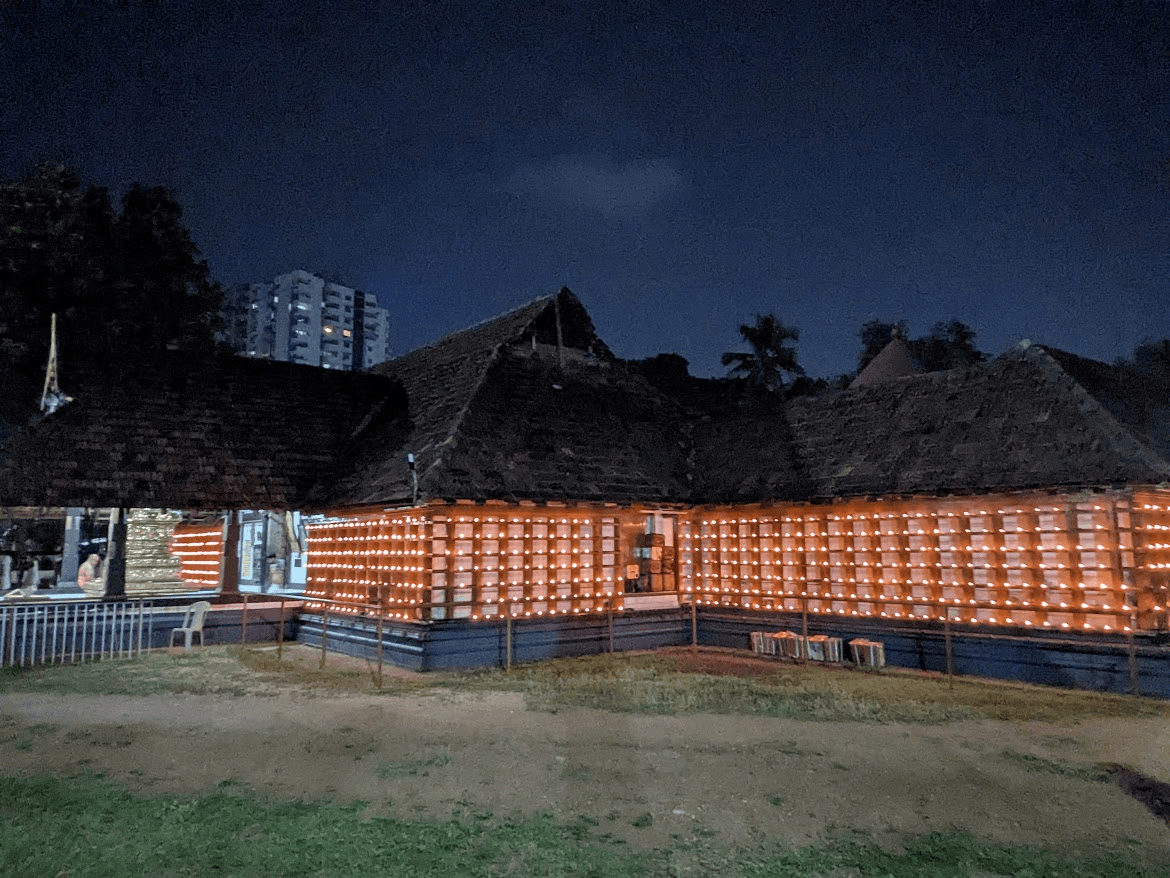
- Chuttuvilakku: Lighting thousands of brass oil lamps around temple courtyard during dusk.
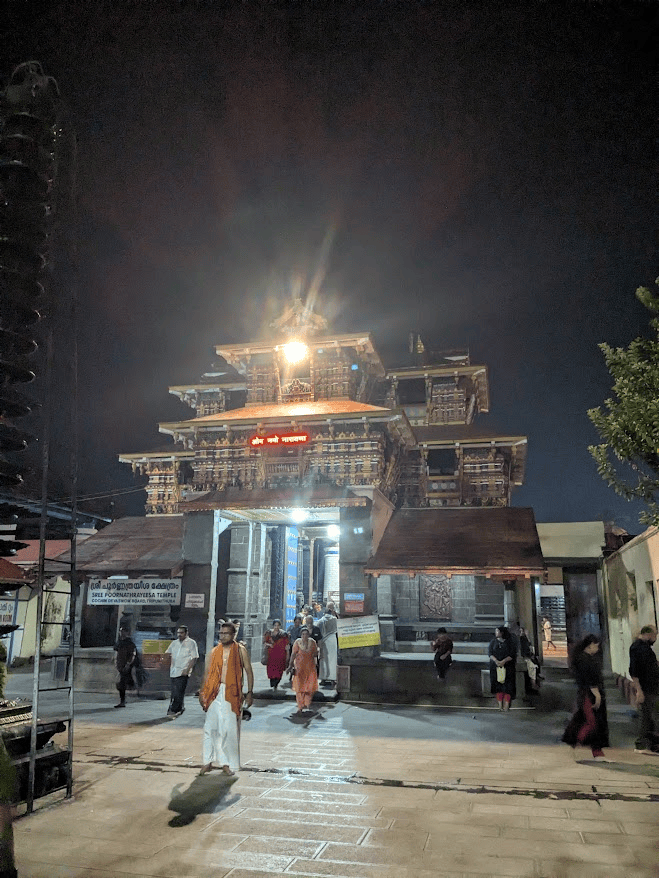
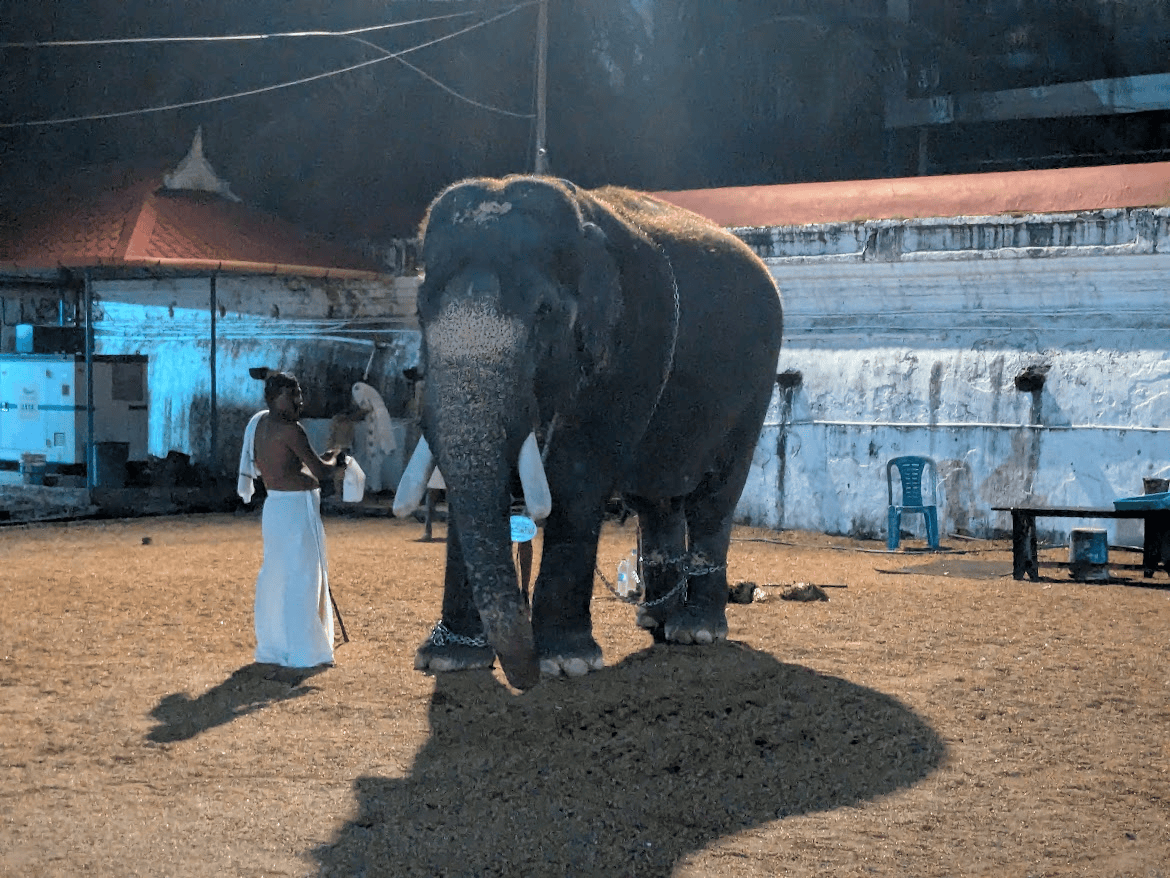
Thrippunithara Poornatrayesha Temple
Presiding Deity
Presiding deity is Sri Poornatrayesha, representing ultimate truth and essence of Vedas, worshipped as Santhana Gopala Moorthy. Grand architecture reflects royal patronage of Cochin kingdom.
Upadevalayas
Complex incorporates shrines for Ganapathy, Sastha, Bhagavathi, and serpent deities, positioned across sprawling courtyards.
Legend & Sthalapurana
Legend of Poornatrayesha temple is a moving narrative of divine grace triumphing over human grief. Long ago, pious Brahmin couple living near site suffered profound agony of losing successive newborn infants immediately following birth. Overwhelmed by sorrow, grieving father approached Pandava prince Arjuna, who was journeying through southern realms, and beseeched him for protection, vowing to end his life if next child perished. Arjuna pledged solemn oath to protect infant, constructing impregnable fortress of arrows around birthing chamber. Yet, despite divine weaponry and martial vigil, newborn mysteriously vanished at exact moment of delivery.
Heartbroken Arjuna prepared to enter funeral pyre to honor his pledge, but Bhagawan Sri Krishna, accompanied by Mahadeva, intervened, halting fire. Krishna revealed that divine children were required in celestial realms to enjoy divine pastimes and returned all previously lost infants to weeping parents in celestial chariot. Before departing, Krishna gifted sacred idol worshipped by Arjuna himself, fashioned using gingelly seeds and eternal flame, to be installed permanently at Thrippunithara. Deity came to be revered as Poornatrayesha (Ruler of Complete 3 Vedas) and supreme dispenser of progeny blessings.
Main Offerings
- Santhana Gopala Archana: Specialized prayer conducted by childless couples seeking progeny.
- Thanthri Panthirunazhi: Offering measured quantities of rice and provisions for temple kitchen.
- Chuttuvilakku and Niramala: Grand illumination and floral decoration of entire shrine complex.
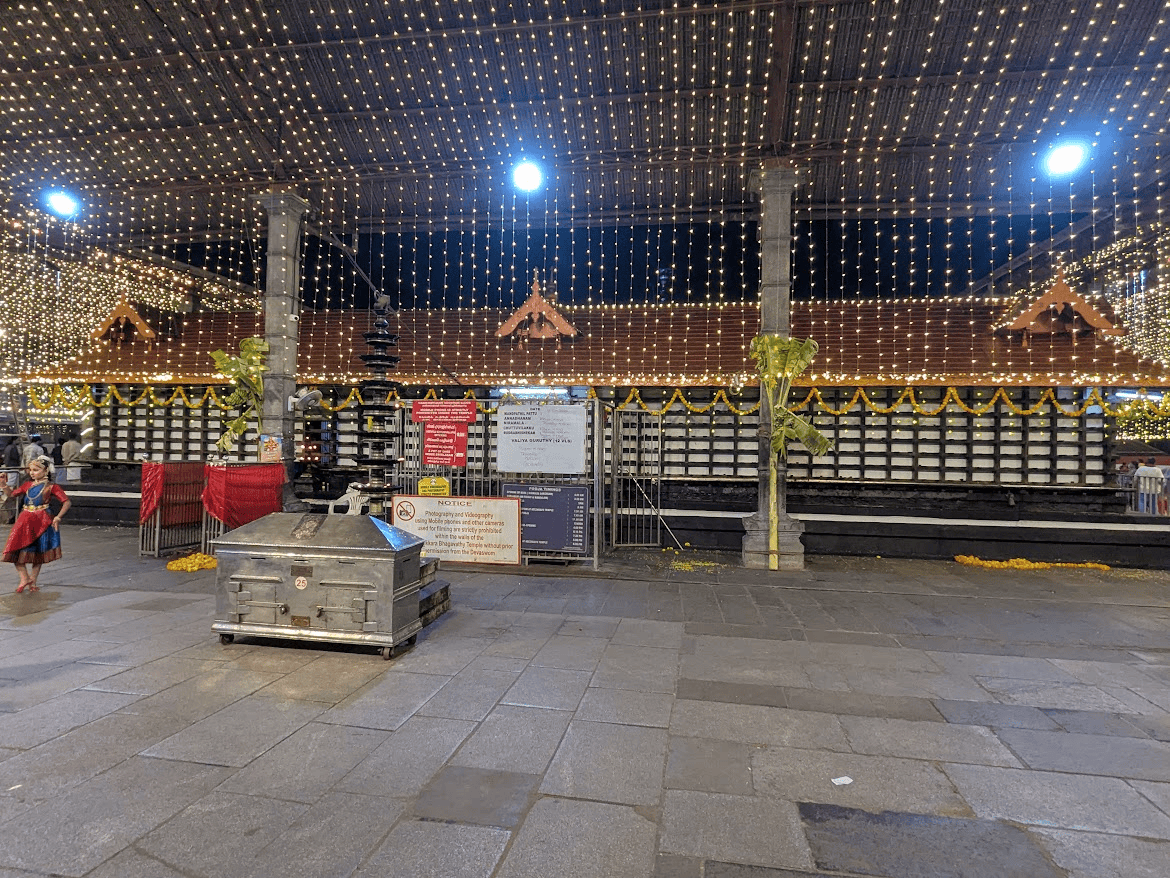
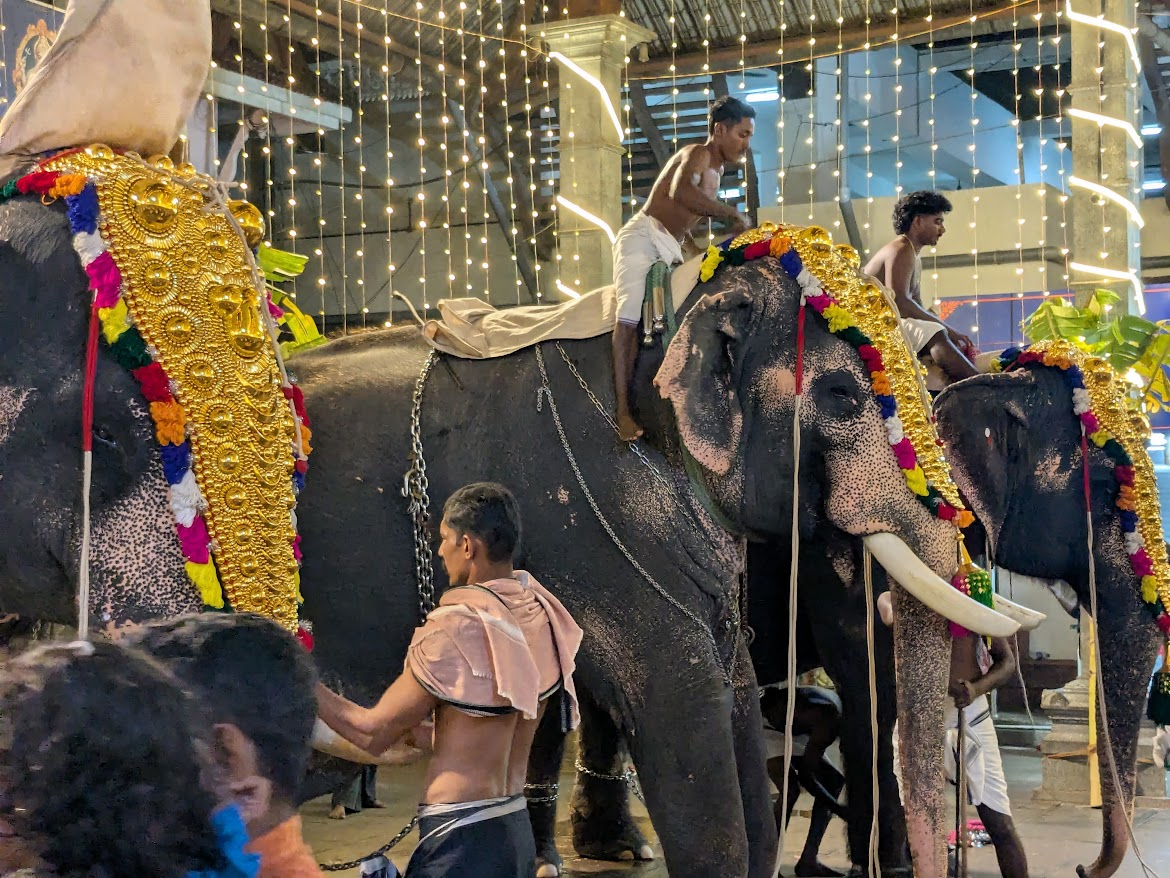
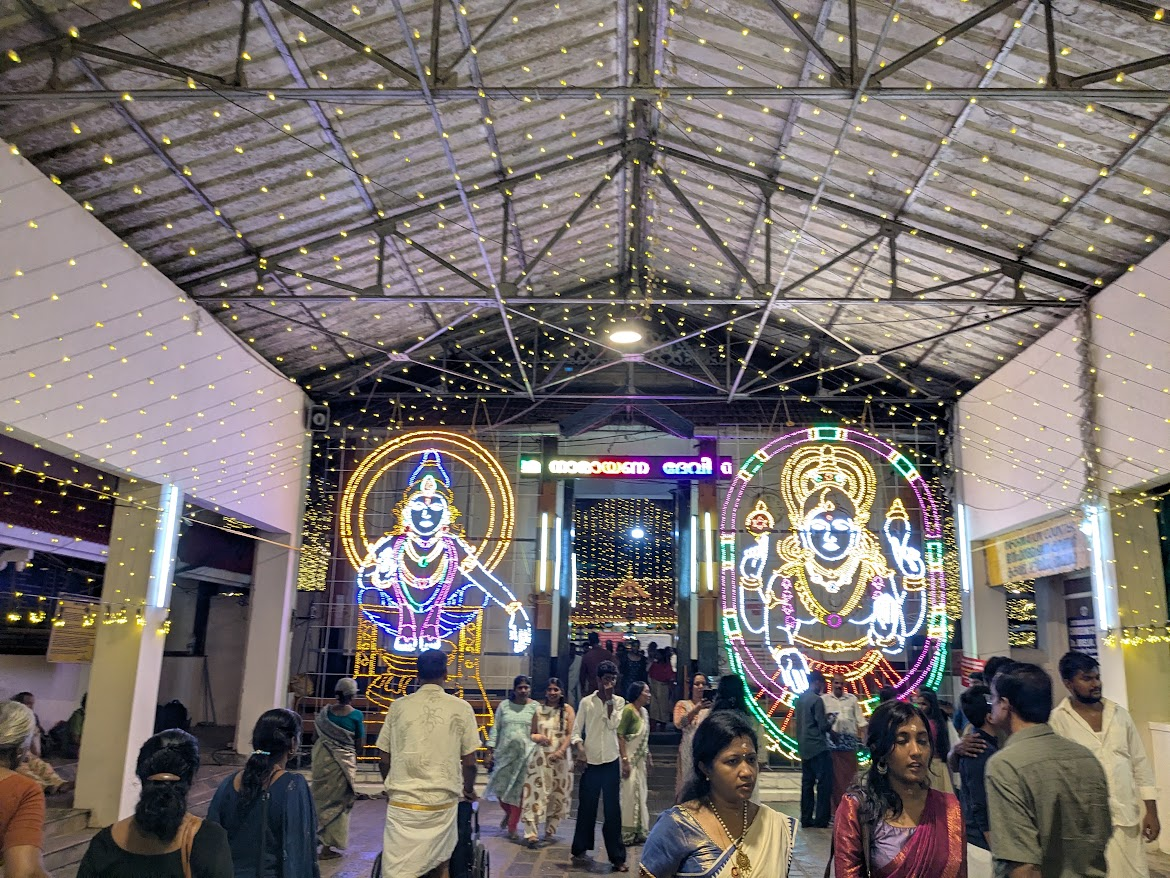
Chottanikkara Shri Bhagavathi Temple
Presiding Deity
Presiding Deity manifests in morning as Saraswathi, afternoon as Bhadrakali, and evening as Mahalakshmi, possessing supreme transformative grace. Golden idol radiates divine compassion across packed sanctum.
Upadevalayas
Kizhkkavu shrine houses fierce Bhadrakali associated with mental healing and exorcism of negative energies during evening hours.
Legend & Sthalapurana
Chottanikkara sthalapurana is deeply anchored in pastoral folklore and mystical encounters involving forest dweller named Vana Pavalan. According to legend, Vana Pavalan captured a wild cow to sustain his family, but noticed that captive animal regularly walked to a specific nearby boulder and poured its milk over stone surface, depleting its udder. Curious hunter investigated boulder, striking it with his iron axe to uncover truth. To his utter shock, stone began bleeding profusely from strike, revealing self-manifested cosmic presence of Adi Parashakti. Terrified hunter fell prostrate, seeking forgiveness.
Centuries later, forest wilderness cleared, and great philosopher Adi Shankara visited sacred grove. Perceiving chaotic, blinding energy radiating from fierce deity, Shankara installed holy Sri Chakra at sanctum, invoking calm, balanced aspects of Saraswathi and Mahalakshmi in morning and evening, while confining fierce Bhadrakali energy to nearby Kizhakkavu shrine. Today, Kizhakkavu functions as renowned psychiatric sanctuary where afflicted individuals suffering from psychological turmoil find profound liberation through divine grace and rhythmic evening poojas.
Main Offerings
- Valiya Guruthy: Large nocturnal ritual using red turmeric-lime mixture to dispel malefic forces.
- Swayamvara Pushpanjali: Special floral offering for removing marriage delays.
- Bhajanam: Extended stay within temple premises for spiritual healing and mental peace.
Valiya Guruthi Ritual and Spiritual Experience
Valiya Guruthi performed at lower Kizhakkavu shrine stands as one of most intense, mysterious, and spiritually electric rituals in Kerala temple tradition. Executed around eight-thirty at night after main sanctum closes, this esoteric offering involves preparing twelve huge cauldrons filled with crimson liquid made from precise mixture of pure water, turmeric, and slaked lime, symbolizing cosmic sacrificial energy (Blood) without harm. As darkness envelopes surrounding sacred grove, priests conduct ritual in complete, charged silence punctuated only by sharp clanging of temple gongs, blowing of conch shells, and rhythmic beating of chenda drums. Deep spiritual significance of Valiya Guruthi lies in complete cleansing of negative astral influences, severe karmic afflictions, and psychological distress, invoking fierce maternal protection of Bhadrakali to destroy inner evil forces. Atmosphere becomes almost otherworldly; flickering flames of tall brass lamps reflect against blood-red liquid, while surrounding air grows thick with scent of camphor, incantations, and collective devotion of hundreds standing spellbound. Witnessing this awe-inspiring ceremony leaves an indelible, deeply transformative impression on mind, evoking profound sense of awe, supreme peace, and unshakable spiritual security.
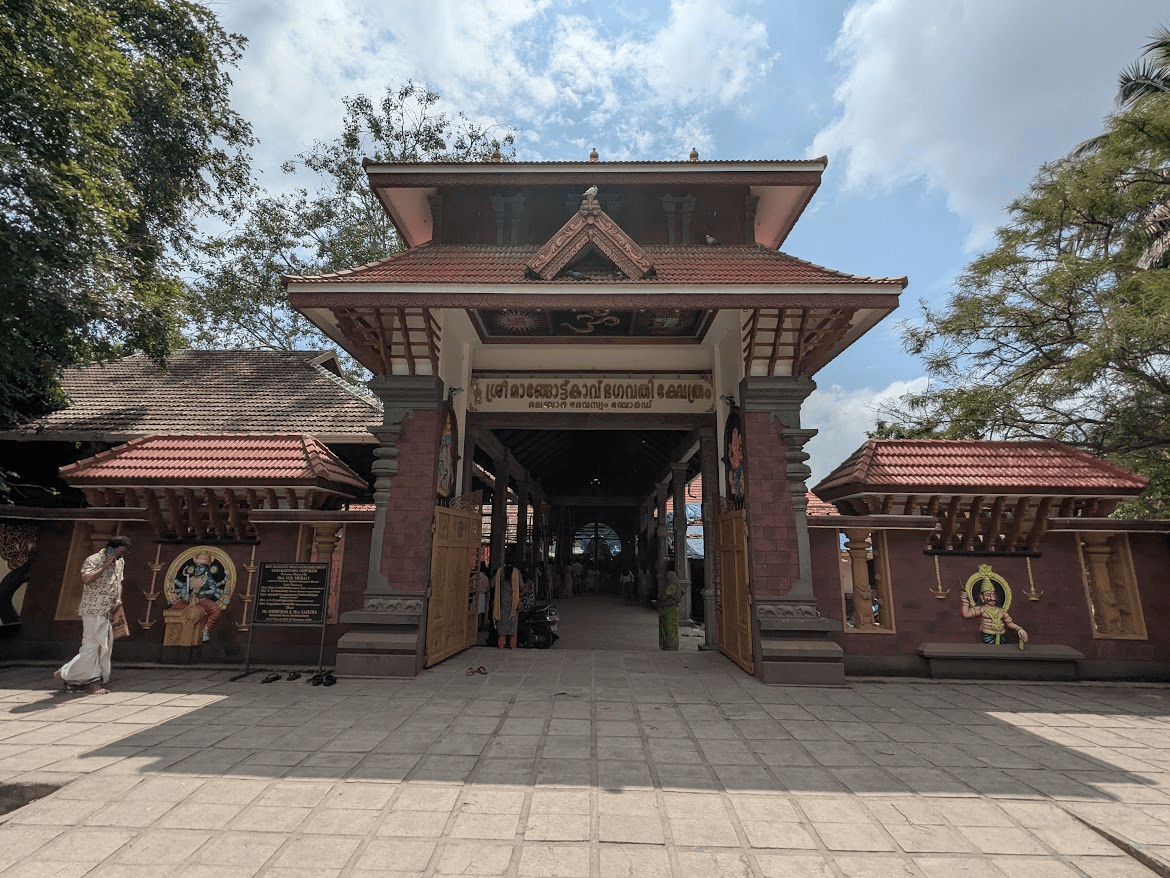
Athipota Shri Mangottukavu Bhagavathi Temple
Presiding Deity
Presiding deity is Sri Mangottu Bhagavathi, powerful guardian goddess venerated widely across Palakkad region for bestowing prosperity, agricultural abundance, and fierce protection.
Upadevalayas
Outer complex houses shrines for Ganapathy and Mookan Chathan on northern perimeter, receiving traditional local offerings.
Legend & Sthalapurana
Oral traditions and temple chronicles of Athipota describe miraculous arrival of Devi through simple village weaver named Kuttan. In ancient times, Kuttan was devout worshipper who regularly undertook arduous pilgrimage to distant Kodungallur temple. As years advanced, aging weaver found physical journey increasingly impossible, weeping bitterly before Mother Goddess over his inability to continue annual vow. Moved by sincere devotion, Bhagavathi appeared in Kuttan’s dream, assuring him that she would manifest right inside his village fields.
Next morning, while walking through lush paddy fields carrying his traditional palm-leaf umbrella, Kuttan felt his umbrella suddenly become impossibly heavy. He placed umbrella down upon raised earth mound to rest. When he attempted to retrieve it later, wooden handle had struck deep roots into soil, refusing to budge despite collective efforts of villagers. As evening approached, divine voice echoed across groves, proclaiming permanent presence of Devi at that exact mound. Grateful villagers immediately constructed sanctum around rooted umbrella, establishing Athipota Mangottukavu as spiritual heartbeat of agrarian community.
Main Offerings
- Rakthapushpanjali: Dedication of crimson red flower petals invoking protective energy.
- Kadum Payasam: Rich concentrated sweet porridge prepared with jaggery and spices.
- Pattu Charthal: Offering silk garments to divine murti during annual temple festival days.
Signing-off
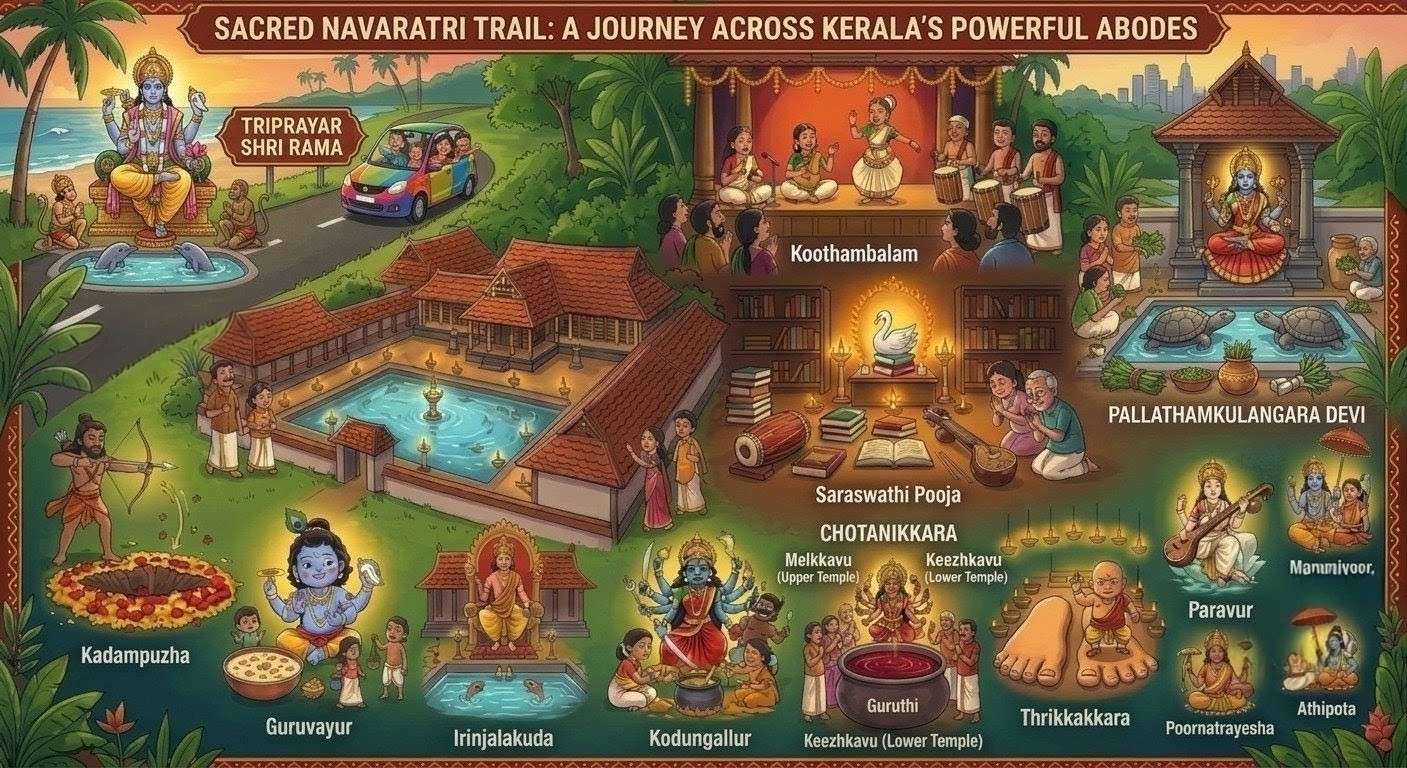
As we finally returned to Bengaluru, traversing over 1,300 kilometers through twelve powerful abodes, our bodies felt none of the wear and tear of early mornings stretching effortlessly into late nights. Despite the relentless pace and lack of sleep, our spirits remained buoyant, charged with an inexplicable, lingering energy. Now, resting back home, we find ourselves deeply missing the mesmerizing music of traditional Kerala melams, the soul-stirring classical carnatic notes, the grace of temple dances, the serene shores of Cherai beach, and the intimate grace of our Kuladevata. Every single moment of this Navaratri pilgrimage, every flickering lamp, every rhythmic chant, and every sanctified murtis, and the Shaunak Shiksha style of Chanting specific to Keralam, has left an indelible mark on our hearts, echoing the timeless heartbeat of God’s Own Country.
Yet, as we stand on the threshold of stepping back into our fast-paced daily routines, we feel thoroughly recharged from within. This sacred journey has given us a fresh sense of purpose, grounding us in deep inner peace and unshakeable resilience. Armed with the divine grace and cosmic energy gathered across those twelve holy shrines, we are ready to dive back into the busy world with renewed vigor, clarity, and enthusiasm.