Devutthana Ekadashi: Divine Awakening and Spiritual Renewal

Devutthana Ekadashi occurs during Shukla Paksha (waxing phase of moon) of Kartik month (October-November). It marks grand conclusion of four month holy period known as Chaturmas. On this auspicious day, Bhagawan Vishnu awakens from four months of cosmic sleep (Yoga Nidra) in Ksheera Sagara. Devotees dedicate this sacred day to worship Bhagawan Vishnu and Maata Lakshmi, celebrating spiritual awakening and resumption of auspicious ceremonies like weddings.

Meaning and Significance of Devutthana Ekadashi

In Sanskrit, Deva refers to Bhagawan Vishnu and Utthana means awakening or rising. Therefore, Devutthana Ekadashi translates to 11th day when Shri Hari awakens from divine slumber. It is also popularly known as Prabodhini Ekadashi or Dev Uthani Ekadashi.

Human life gains immense spiritual momentum when divine cosmic energies awaken. Observing fast on Devutthana Ekadashi removes sins accumulated over many past lives and clears spiritual obstacles. Fasting and worshiping Bhagawan Vishnu on this day grants merit equal to performing Rajasuya Yajna, bestowing peace, prosperity, happy family life, and ultimate liberation or Moksha.

Legend associated with Devutthana Ekadashi

Scriptures describe sacred story narrated by Brahma to Sage Narada, involving defeat of demon Shankhasura and origin of cosmic sleep of Shri Hari. Long ago, powerful demon Shankhasura stole sacred Vedas from Devas and hid deep under ocean. Distressed by loss of divine wisdom, Devas prayed to Bhagawan Vishnu for protection.

Bhagawan Vishnu took incarnation of Matsya (giant fish avatar) and killed Shankhasura in deep sea, restoring Vedas to Devas. After long battle lasting many years, Bhagawan Vishnu felt tired and decided to rest on bed of Sheshnag in Ksheera Sagara on Ashadha Shukla Ekadashi (Devshayani Ekadashi). Bhagawan slept continuously for four months during monsoon period.

During these four months of Yoga Nidra, cosmic affairs were managed by divine grace, while world paused all major auspicious activities. On Shukla Paksha Ekadashi of Kartik month, Bhagawan Vishnu finally woke up from long sleep, greeted by joyful prayers, ghee lamps, and chants from Devas and sages. Bhagawan Vishnu declared that anyone who worships him on this awakening day with complete faith will be freed from all sins and receive endless blessings. Tulsi Vivah, symbolic marriage of Goddess Tulsi with Shaligram form of Vishnu, is also celebrated around this divine occasion.

Rituals to be performed on Devutthana Ekadashi

Devotee must wake up early in morning during Brahma Muhurta and take ritual bath using clean water without using soap, shampoo, or such cosmetic products.

Puja area should be cleaned thoroughly and idol or photo of Bhagawan Vishnu along with Goddess Lakshmi should be placed respectfully. Courtyard or puja area is traditionally decorated with sugarcane, rangoli, and footprints of Bhagawan Vishnu.

Light ghee lamp, offer fresh yellow flowers, sandalwood paste, incense, water chestnuts, sweet potatoes, sugarcane, and fresh Tulsi leaves to Bhagawan Vishnu.

Chant Vishnu Sahasranama, Hare Krishna Mahamantra, or Om Namo Bhagavate Vasudevaya continuously throughout day.

Listen to or read Devutthana Ekadashi Katha with family members in peaceful state of mind.

Offer your respects to parents and other elders, especially Guru, seeking their heartfelt blessings on this sacred morning.

Observe fast during entire day according to individual health capacity. Healthy individuals can observe strict fast without water or taking only water. Milk, curd, and fruits can be consumed if complete fasting is difficult due to health reasons. Rice, wheat, barley, lentils, pulses, and all food grains must be avoided strictly. Heavy spices, regular salt, garlic, onion, tea, coffee, outside processed food, and alcohol must be strictly avoided.

Perform evening Aarti with devotion, light oil lamps around house to celebrate awakening of Shri Hari, offer special Naivedya, and maintain noble thoughts, avoiding anger, backbiting, falsehood, or harsh speech.

Break fast next day on Dwadashi tithi during scheduled Parana time. Fast should be broken after sunrise once Hari Vasara period concludes. Offer naivedya to Bhagawan Vishnu, perform short prayer, and break fast by consuming prasada, water, or fruits before eating regular food.

PS: Article re-formatted into blocks and Header Image changed
Saphala Ekadashi: Transforming Failures into Success

Saphala Ekadashi occurs during Krishna Paksha (dark fortnight) of Pausha month (December-January) according to Amanta calendar or Margashirsha month according to Purnimanta calendar. It is first Ekadashi coming after Mokshada Ekadashi, bringing new hope and spiritual progress. Devotees dedicate this day to worship Bhagawan Narayana form of Bhagawan Vishnu to ensure success in all righteous endeavors and seek liberation from accumulated sins.

Meaning and Significance of Saphala Ekadashi

In Sanskrit, Saphala means fruitful, successful, or reward yielding. Therefore, Saphala Ekadashi translates to 11th day that makes every noble task, prayer, and effort fruitful.

Human efforts often face hurdles, delays, and failures due to past karma, lack of focus, or unrighteous habits. Observing fast on Saphala Ekadashi with pure heart transforms failure into ultimate success. Scriptures mention that worshiping Bhagawan Vishnu on this day pleases Lord Hari more than thousands of years of severe penance, bestowing success, family prosperity, inner peace, and ultimate residence in Vaikuntha Dham.

Legend associated with Saphala Ekadashi

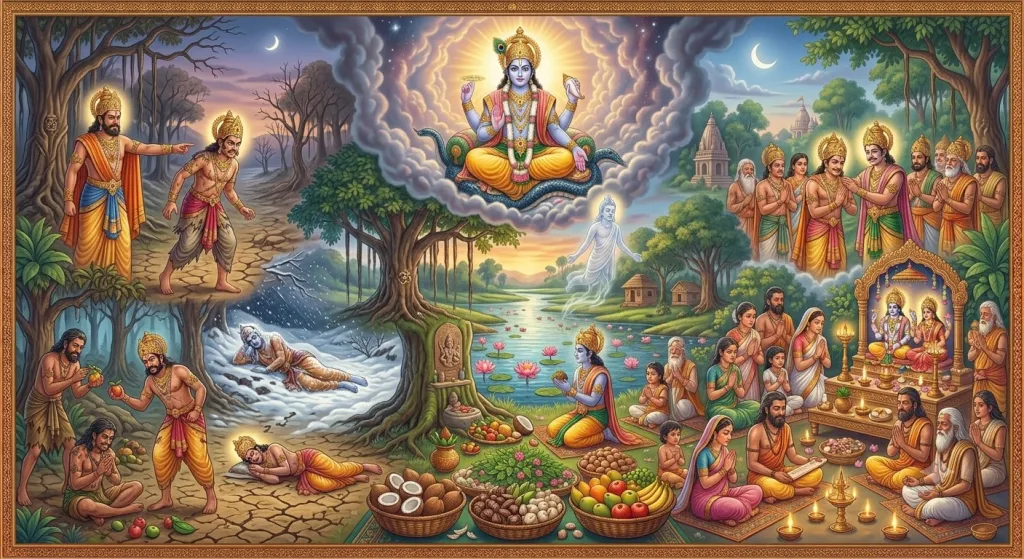
Scriptures describe sacred story narrated by Bhagawan Krishna to King Yudhishthira, involving wicked prince named Lumpaka who lived in kingdom of Champavati. King Mahishmat ruled Champavati righteously, but his eldest son Lumpaka was cruel, sinful, and disrespectful toward Gods, Brahmins, and spiritual duties. Prince indulged in gambling, drinking, and looting innocent citizens.

Exasperated by continuous evil deeds of Lumpaka, King Mahishmat banished his son from kingdom. Lumpaka went into deep forest and started living under large banyan tree, surviving by hunting animals and stealing from neighboring villages at night. Though living in forest, Lumpaka never gave up his wicked mindset.

Severe cold season of Pausha month arrived, and on eve of Krishna Paksha Dashami, Lumpaka froze due to harsh winter weather, losing consciousness throughout night. Next morning on Saphala Ekadashi day, Lumpaka woke up extremely weak, shivering, and unable to move or hunt. He spent whole day starving, unable to eat anything. Toward evening, Lumpaka gathered few wild fruits, walked to base of banyan tree, and placed fruits at roots, crying out in helplessness and offering fruits unknowingly to Bhagawan Narayana.

Without knowing, Lumpaka had kept complete fast on Saphala Ekadashi, stayed awake all night due to cold, and offered fruits to Bhagawan Vishnu. Pleased by unconscious observance of this sacred fast, compassionate Bhagawan Vishnu forgave all past sins of Lumpaka. Next morning, divine horse appeared before prince, and heavenly voice announced that his sins were destroyed. Lumpaka returned to Champavati, asked forgiveness from his father, received kingdom, ruled righteously for many years, and eventually attained Moksha.

Rituals to be performed on Saphala Ekadashi

Devotee must wake up early in morning during Brahma Muhurta and take ritual bath using clean water without using soap, shampoo, or such cosmetic products.

Puja area should be cleaned thoroughly and idol or photo of Bhagawan Vishnu, specifically Bhagawan Narayana form, should be placed respectfully.

Light ghee lamp, offer fresh yellow flowers, sandalwood paste, incense, seasonal fruits like pomegranate, coconut, or guava, and Tulsi leaves to Bhagwan Vishnu.

Chant Vishnu Sahasranama, Hare Krishna Mahamantra, or Om Namo Bhagavate Vasudevaya continuously throughout day.

Listen to or read Saphala Ekadashi Katha with family members in peaceful state of mind.

Offer your respects to parents and other elders, especially Guru, seeking their heartfelt blessings on this sacred morning.

Observe fast during entire day according to individual health capacity. Healthy individuals can observe strict fast without water or taking only water. Milk, curd, and fruits can be consumed if complete fasting is difficult due to health reasons. Rice, wheat, barley, lentils, pulses, and all food grains must be avoided strictly. Heavy spices, regular salt, garlic, onion, tea, coffee, outside processed food, and alcohol must be strictly avoided.

Perform evening Aarti with devotion, offer special Naivedya to Bhagwan Vishnu, light lamps, and maintain noble thoughts, avoiding anger, backbiting, falsehood, or harsh speech.

Break fast next day on Dwadashi tithi during scheduled Parana time. Fast should be broken after sunrise once Hari Vasara period concludes. Offer naivedya to Bhagwan Vishnu, perform short prayer, and break fast by consuming prasada, water, or fruits before eating regular food.

PS: Article re-formatted into blocks and Header Image changed
Mokshada Ekadashi: Gateway to Eternal Liberation

Mokshada Ekadashi occurs during Shukla Paksha (waxing phase of moon) of Margashirsha month (November-December).This highly auspicious day also coincides with Gita Jayanti, day when Bhagawan Krishna imparted eternal wisdom of Shrimad Bhagavad Gita to Arjuna on battlefield of Kurukshetra. Devotees dedicate this day to worship Bhagawan Vishnu to attain spiritual freedom, clear ancestral karmic debts, and secure place in Vaikuntha.

Meaning and Significance of Mokshada Ekadashi

In Sanskrit, Mokshada means bestower of Moksha or ultimate liberation. Therefore, Mokshada Ekadashi translates to 11th day that grants freedom from endless cycle of birth and death.

Human life often suffers due to ignorance, attachment, and weight of past sins. Observing fast on Mokshada Ekadashi with pure heart acts as powerful spiritual remedy that dissolves lifelong karma. Scriptures mention that spiritual merit earned on this day can be transferred to deceased ancestors suffering in lower realms, granting them instant elevation to heavenly abodes. Passing through divine Vaikuntha Dwara (gateway to eternal abode) on this day symbolizes soul triumph over worldly bondages.

Legend associated with Mokshada Ekadashi

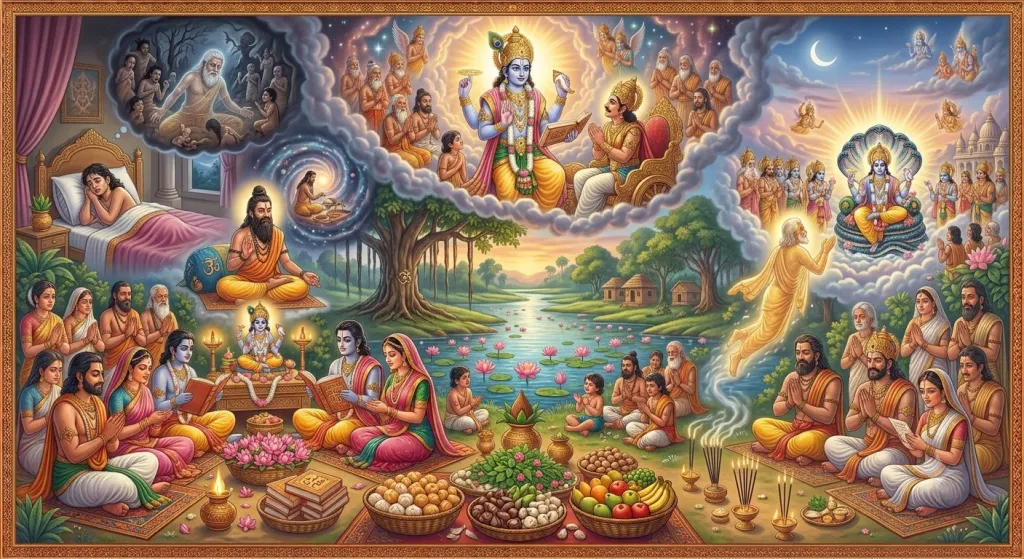
Scriptures describe sacred story narrated by Bhagawan Krishna to King Yudhishthira, involving saintly King Vaikhanasa who ruled prosperous city of Champaka. King Vaikhanasa was compassionate ruler who treated subjects like his own children and spent time in spiritual contemplation.

One night, King Vaikhanasa saw distressing dream where his deceased father was trapped in hellish realm called Naraka, suffering severe torment due to past bad karma. Troubled by vision, king called learned Brahmins, scholars, and royal priest next morning to find solution. Wise scholars advised king to seek guidance of enlightened Sage Parvata, who lived in nearby forest ashram.

King Vaikhanasa visited ashram of Sage Parvata and described painful dream of his father. Sage Parvata closed eyes and entered deep meditation to see past life of king father. Sage revealed that father had committed severe sin of neglecting his wife in previous birth, leading to his current suffering in Naraka. King humbly asked sage for spiritual remedy to rescue his father.

Sage Parvata instructed King Vaikhanasa to observe strict fast on Mokshada Ekadashi in Shukla Paksha of Margashirsha month along with family members and offer spiritual merit to father. King returned to his palace and strictly observed Mokshada Ekadashi fast with complete devotion, following all sacred rites. Upon completing fast, king dedicated all spiritual virtue earned to his father. Immediately, father of king was released from hellish torment, received divine body, and ascended to Vaikuntha while showering heartfelt blessings on his devoted son.

Rituals to be performed on Mokshada Ekadashi

Devotee must wake up early in morning during Brahma Muhurta and take ritual bath using clean water without using soap, shampoo, or such cosmetic products.

Puja area should be cleaned thoroughly and idol or photo of Bhagawan Vishnu, along with sacred book Shrimad Bhagavad Gita, should be placed respectfully.

Light ghee lamp, offer fresh yellow flowers, sandalwood paste, incense, and Tulsi leaves to Bhagwan Vishnu.

Chant Vishnu Sahasranama, Hare Krishna Mahamantra, or verses from Shrimad Bhagavad Gita continuously throughout day.

Listen to or read Mokshada Ekadashi Katha and Gita Jayanti discourse with family members in peaceful state of mind.

Offer your respects to parents and other elders, especially Guru, seeking their heartfelt blessings on this sacred morning.

Observe fast during entire day according to individual health capacity. Healthy individuals can observe strict fast without water or taking only water. Milk, curd, and fruits can be consumed if complete fasting is difficult due to health reasons. Rice, wheat, barley, lentils, pulses, and all food grains must be avoided strictly. Heavy spices, regular salt, garlic, onion, tea, coffee, outside processed food, and alcohol must be strictly avoided.

Perform evening Aarti with devotion, visit Vishnu temple to pass through Vaikuntha Dwara if possible, offer special Naivedya, and maintain noble thoughts, avoiding anger, backbiting, falsehood, or harsh speech.

Break fast next day on Dwadashi tithi during scheduled Parana time. Fast should be broken after sunrise once Hari Vasara period concludes. Offer naivedya to Bhagwan Vishnu, perform short prayer, and break fast by consuming prasada, water, or fruits before eating regular food.

PS: Article re-formatted into blocks and Header Image changed