Devshayani Ekadashi: Beginning of Cosmic Slumber or Yoga Nidra

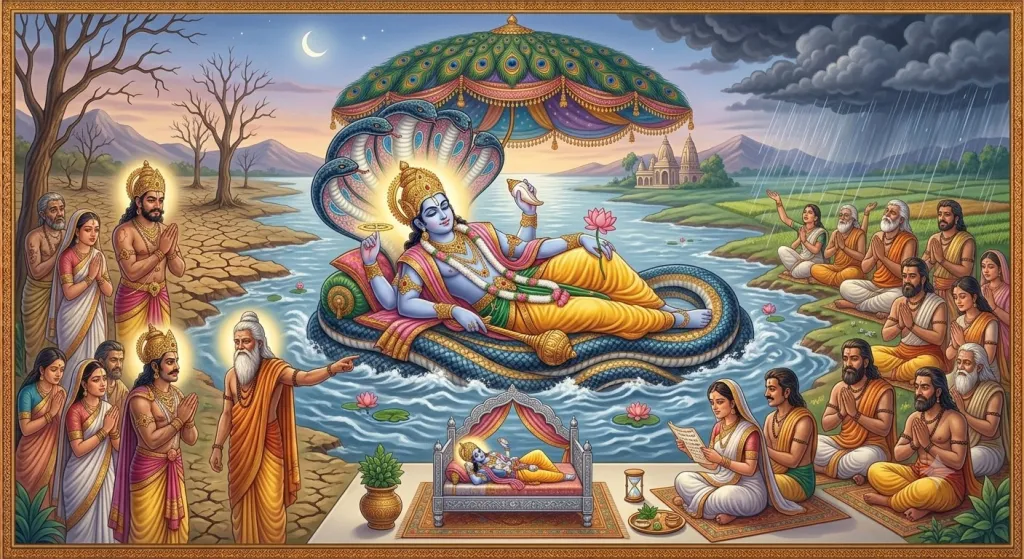
Devshayani Ekadashi occurs during Shukla Paksha (waxing phase of moon) of Ashadha month (June-July). It is one of most significant Ekadashis in Hindu calendar, marking beginning of Chaturmas, four month holy period during monsoon season. On this day, Bhagawan Vishnu enters cosmic sleep (Yoga Nidra) on Sheshnag in Ksheera Sagara (ocean of milk) for four months and awakens on Devutthana Ekadashi in Kartik month. Devotees dedicate this day to worship Lord Vishnu to seek eternal peace, prosperity, and spiritual growth.

Meaning and Significance of Devshayani Ekadashi

Understanding name itself reveals spiritual importance of this divine day. In Sanskrit, Dev refers to Lord Vishnu and Shayani means sleeping. Therefore, Devshayani Ekadashi translates to 11th day when Lord Vishnu goes to sleep. It is also known as Ashadhi Ekadashi, Padma Ekadashi, or Hari Sayana Ekadashi.

This period marks time of introspection, spiritual discipline, and restraint. Since Bhagawan Vishnu goes into cosmic slumber, auspicious events like marriages, housewarming ceremonies, and major celebrations are paused during Chaturmas. Observing fast on Devshayani Ekadashi purifies soul, grants peace of mind, removes past negative karma, and earns immense blessings of Lord Vishnu and Goddess Lakshmi.

Legend associated with Devshayani Ekadashi

Scriptures describe sacred story narrated by Bhagawan Krishna to King Yudhishthira, involving noble ruler named King Mandhata. King Mandhata ruled prosperous kingdom with great truthfulness, justice, and devotion to subjects. Under his rule, people lived happily and experienced no hardship.

However, severe drought struck kingdom due to past unmanifested karma, and no rain fell for three continuous years. Rivers dried up, crops failed, and people suffered great misery due to starvation. Distressed seeing suffering of his people, King Mandhata journeyed into deep forest to seek advice from wise sages to restore prosperity.

In forest, king reached ashram of Sage Angiras, son of Lord Brahma. King Mandhata bowed respectfully and explained terrible plight of his kingdom, asking for spiritual remedy to bring rain. Sage Angiras advised king to observe Devshayani Ekadashi fast in Shukla Paksha of Ashadha month along with all his subjects. Sage assured him that sincere fast and prayer to Lord Vishnu on this day would restore balance and bring rainfall.

King Mandhata returned to his capital and observed Devshayani Ekadashi fast strictly along with royal family, ministers, and citizens. They worshiped Bhagawan Vishnu with complete faith and devotion. By divine grace of Lord Vishnu, heavy rainclouds gathered over sky and brought abundant rain across kingdom. Drought ended, crops bloomed again, and prosperity was fully restored.

Rituals to be performed on Devshayani Ekadashi

Devotee must wake up early in morning during Brahma Muhurta and take ritual bath in clean water.

Puja area should be cleaned thoroughly and idol or photo of Bhagawan Vishnu in sleeping posture on Sheshnag should be placed respectfully.

Light ghee lamp, offer fresh yellow flowers, sandalwood paste, incense, betel leaves, and Tulsi leaves to Bhagwan Vishnu.

Chant Vishnu Sahasranama, Hare Krishna Mahamantra, or Om Namo Bhagavate Vasudevaya continuously throughout day.

Listen to or read Devshayani Ekadashi Katha with family members in peaceful state of mind.

Observe fast during entire day according to individual health capacity. Healthy individuals can observe strict fast without water or taking only water. Milk, curd, and fruits can be consumed if complete fasting is difficult due to health reasons. Rice, wheat, barley, lentils, pulses, and all food grains must be avoided strictly. Heavy spices, regular salt, garlic, onion, tea, coffee, outside processed food, and alcohol must be strictly avoided.

Perform evening Aarti with devotion, offer special yellow sweets or fruits as Naivedya, and maintain noble thoughts, avoiding anger, backbiting, falsehood, or harsh speech.

Break fast next day on Dwadashi tithi during scheduled Parana time. Fast should be broken after sunrise once Hari Vasara period concludes. Offer naivedya to Bhagwan Vishnu, perform short prayer, and break fast by consuming prasada, water, or fruits before eating regular food.

PS: Article re-formatted into blocks and Header Image changed
Papankusha Ekadashi: Sacred Goad Controlling Destiny

Papankusha Ekadashi occurs during Shukla Paksha (waxing phase of moon) of Ashwin month (September-October). It occurs right after Sharad Navratri and Vijayadashami celebrations, making it spiritually uplifting occasion. Devotees dedicate this sacred day to worship Lord Padmanabha form of Bhagawan Vishnu to seek destruction of all accumulated sins, freedom from fear of death, and ultimate liberation.

Meaning and Significance of Papankusha Ekadashi

In Sanskrit, Papa means sin or evil deeds, while Ankusha refers to goad or hook used by mahout to control and direct elephant. Therefore, Papankusha Ekadashi translates to 11th day that acts like divine goad to control, curb, and completely destroy burden of sins.

Human mind often drifts towards unrighteous path due to desires, ignorance, and ego. Observing fast on Papankusha Ekadashi with pure devotion acts as spiritual weapon, controlling wild mind and controlling harmful tendencies. Scriptures state that observing this fast grants health, wealth, heavenly pleasures, and frees ten generations of maternal side, ten generations of paternal side, and ten generations of spouse side from sins, guiding all towards Vishnu Loka.

Legend associated with Papankusha Ekadashi

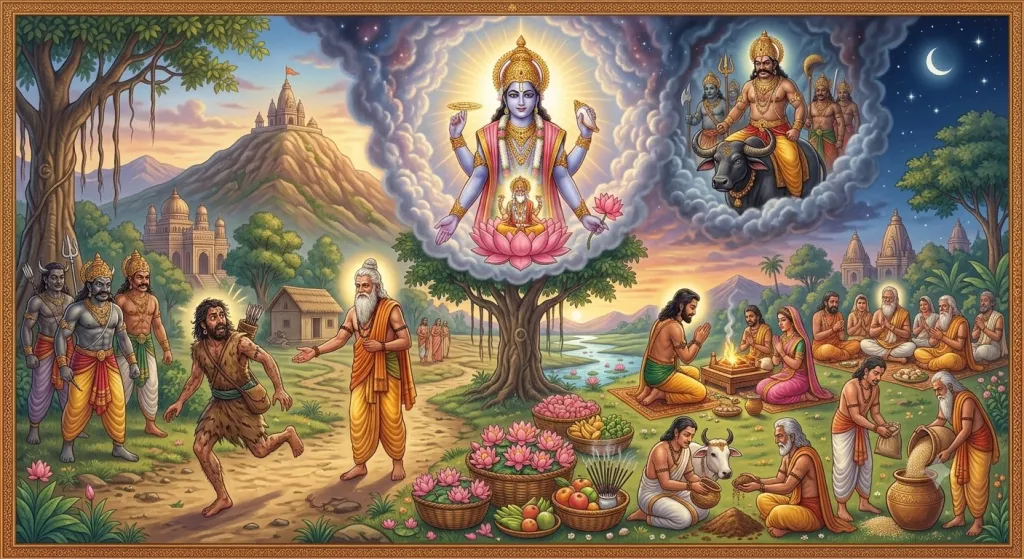
Scriptures describe sacred story narrated by Bhagawan Krishna to King Yudhishthira, involving cruel hunter named Krodhana who lived in Vindhyachal mountains. Krodhana spent his entire life committing violent acts, hunting wild animals, looting innocent travelers, and indulging in lying and bad habits. He never performed any virtuous deed or remembered God throughout his life.

As old age approached, Yamaraja instructed his messengers to prepare for bringing soul of Krodhana to Yamaloka, as time of death of hunter was near. Realizing that his end was near, Krodhana became terrified of severe punishments awaiting him in hell for his lifelong sins. Filled with fear and anxiety, hunter fled into forest seeking spiritual refuge.

In forest, hunter reached peaceful ashram of great Sage Angiras. Krodhana fell at feet of sage, crying bitterly, and confessed his sinful life. Hunter begged sage to suggest some way to escape terrible suffering of Yamaloka and earn forgiveness. Moved by genuine repentance of hunter, compassionate Sage Angiras advised him to observe Papankusha Ekadashi fast in Shukla Paksha of Ashwin month with deep devotion and worship Lord Padmanabha.

Hunter Krodhana followed advice of Sage Angiras strictly, keeping complete fast on Papankusha Ekadashi and praying sincerely to Lord Padmanabha throughout day and night. By divine grace of Bhagawan Vishnu and immense power of this sacred fast, all sins of hunter were erased completely. When his life ended, divine messengers of Bhagawan Vishnu arrived instead of Yamadutas and took soul of hunter respectfully to Vaikuntha Dham.

Rituals to be performed on Papankusha Ekadashi

Devotee must wake up early in morning during Brahma Muhurta and take ritual bath using clean water without using soap, shampoo, or such cosmetic products.

Puja area should be cleaned thoroughly and idol or photo of Bhagawan Vishnu, specifically Shri Padmanabha form, should be placed respectfully.

Light ghee lamp, offer fresh yellow flowers, sandalwood paste, incense, and Tulsi leaves to Bhagwan Vishnu.

Chant Vishnu Sahasranama, Hare Krishna Mahamantra, or Om Namo Bhagavate Vasudevaya continuously throughout day.

Listen to or read Papankusha Ekadashi Katha with family members in peaceful state of mind.

Offer your respects to parents and other elders, especially Guru, seeking their heartfelt blessings on this sacred morning.

Observe fast during entire day according to individual health capacity. Healthy individuals can observe strict fast without water or taking only water. Milk, curd, and fruits can be consumed if complete fasting is difficult due to health reasons. Rice, wheat, barley, lentils, pulses, and all food grains must be avoided strictly. Heavy spices, regular salt, garlic, onion, tea, coffee, outside processed food, and alcohol must be strictly avoided.

Perform evening Aarti with devotion, offer special Naivedya to Bhagwan Vishnu, donate clothes or food to needy, and maintain noble thoughts, avoiding anger, backbiting, falsehood, or harsh speech.

Break fast next day on Dwadashi tithi during scheduled Parana time. Fast should be broken after sunrise once Hari Vasara period concludes. Offer naivedya to Bhagwan Vishnu, perform short prayer, and break fast by consuming prasada, water, or fruits before eating regular food.

PS: Article re-formatted into blocks and Header Image changed
Indira Ekadashi: Ancestral Peace and Spiritual Liberation

Indira Ekadashi is observef during Krishna Paksha (dark fortnight) of Ashwin month (September-October) according to Amanta calendar or Bhadrapada month according to Purnimanta calendar. It occurs during Pitru Paksha, sacred fortnight dedicated to ancestors. Devotees dedicate this day to worship Bhagawan Vishnu to grant spiritual liberation and heavenly abode to deceased ancestors while cleansing personal sins and negative karma.

Meaning and Significance of Indira Ekadashi

In Sanskrit, Indira refers to Goddess Lakshmi and divine prosperity, while also carrying connection to King Indrasena who first demonstrated power of this sacred fast. Therefore, Indira Ekadashi translates to 11th day that brings divine grace, ancestral peace, and spiritual liberation.

Human life carries subtle obligations toward ancestors, known as Pitru Rina. Unfulfilled desires or sins of departed ancestors can sometimes cause obstacles and hardships for living generations. Observing fast on Indira Ekadashi during Pitru Paksha with pure heart acts as powerful spiritual offering. Scriptures state that observing this fast and transferring its spiritual merit frees ancestors from lower realms like Yamaloka, guiding them directly to Vishnu Loka while bestowing peace and prosperity on family.

Legend associated with Indira Ekadashi

Scriptures describe sacred story narrated by Bhagawan Krishna to King Yudhishthira, involving pious King Indrasena who ruled kingdom of Mahishmati. King Indrasena was virtuous ruler, deeply devoted to Bhagawan Vishnu, and looked after his subjects with love and justice. His kingdom enjoyed peace, abundance, and spiritual harmony.

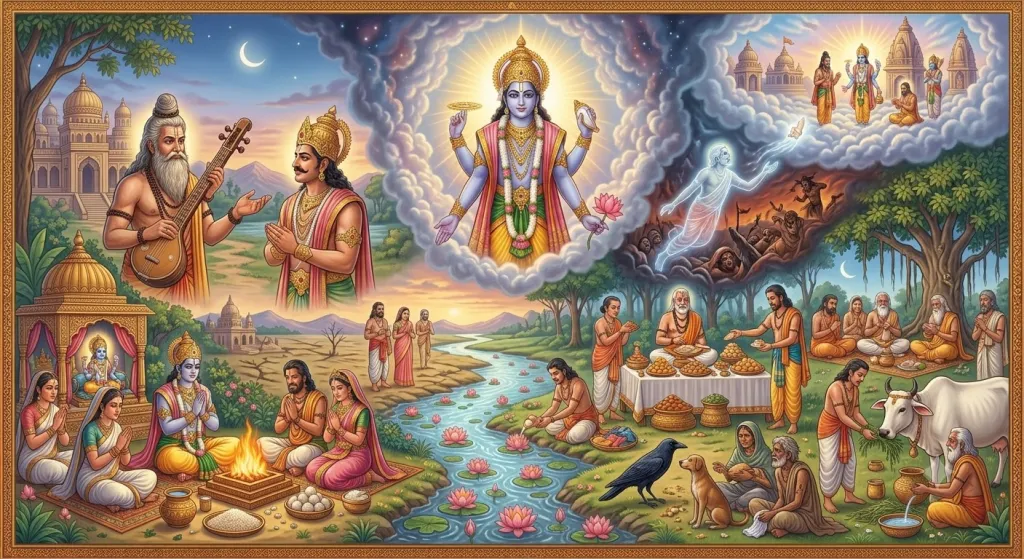
One day, divine sage Narada visited royal court of King Indrasena. King welcomed sage with great respect and worshiped him. Sage Narada informed king that during his journey to Yamaloka, he met father of King Indrasena. Sage revealed that due to some mistake committed in past life, father of king was stuck in court of Yamaraja and undergoing suffering. Father of king had requested Sage Narada to send message to his son Indrasena to observe Indira Ekadashi fast and donate its merit so that he could break free from Yamaloka.

Hearing about suffering of his father, King Indrasena was overcome with sorrow and humbly asked Sage Narada for exact procedure to observe Indira Ekadashi fast. Sage Narada instructed king to take bath in morning of Ashvina Krishna Dashami, perform Shraddha rituals for ancestors, and prepare for fast. On Ekadashi day, king was advised to observe strict fast, worship Bhagawan Shaligram or Vishnu form with devotion, offer prayers, and keep night vigil. Sage further asked king to perform Shraddha rites again on Ekadashi, feed righteous Brahmins, and offer spiritual merit of fast to his father.

King Indrasena along with his family and ministers strictly followed instructions of Sage Narada on Indira Ekadashi. They observed fast with deep faith and dedicated all spiritual virtue to departed father. By divine grace of Lord Hari, father of king was instantly liberated from Yamaloka, boarded divine chariot, and ascended to Vaikuntha Dham. King Indrasena ruled righteously for many years and eventually attained supreme abode of Bhagawan Vishnu.

Rituals to be performed on Indira Ekadashi

Devotee must wake up early in morning during Brahma Muhurta and take ritual bath using clean water without using soap, shampoo, or such cosmetic products.

Puja area should be cleaned thoroughly and idol or photo of Bhagawan Vishnu, specifically Shaligram or Hrishikesha form, should be placed respectfully.

Light ghee lamp, offer fresh yellow flowers, sandalwood paste, incense, and Tulsi leaves to Bhagwan Vishnu.

Chant Vishnu Sahasranama, Hare Krishna Mahamantra, or Om Namo Bhagavate Vasudevaya continuously throughout day.

Listen to or read Indira Ekadashi Katha with family members in peaceful state of mind.

Perform Tarpan and Shraddha rituals in honor of deceased ancestors, offering prayers to Bhagawan Vishnu for their eternal peace and liberation.

Offer your respects to parents and other elders, especially Guru, seeking their heartfelt blessings on this sacred morning.

Observe fast during entire day according to individual health capacity. Healthy individuals can observe strict fast without water or taking only water. Milk, curd, and fruits can be consumed if complete fasting is difficult due to health reasons. Rice, wheat, barley, lentils, pulses, and all food grains must be avoided strictly. Heavy spices, regular salt, garlic, onion, tea, coffee, outside processed food, and alcohol must be strictly avoided.

Perform evening Aarti with devotion, offer special Naivedya to Bhagwan Vishnu, feed righteous Brahmins or needy people, and maintain noble thoughts, avoiding anger, backbiting, falsehood, or harsh speech.

Break fast next day on Dwadashi tithi during scheduled Parana time. Fast should be broken after sunrise once Hari Vasara period concludes. Offer naivedya to Bhagwan Vishnu, perform short prayer, and break fast by consuming prasada, water, or fruits before eating regular food.

PS: Article re-formatted into blocks and Header Image changed